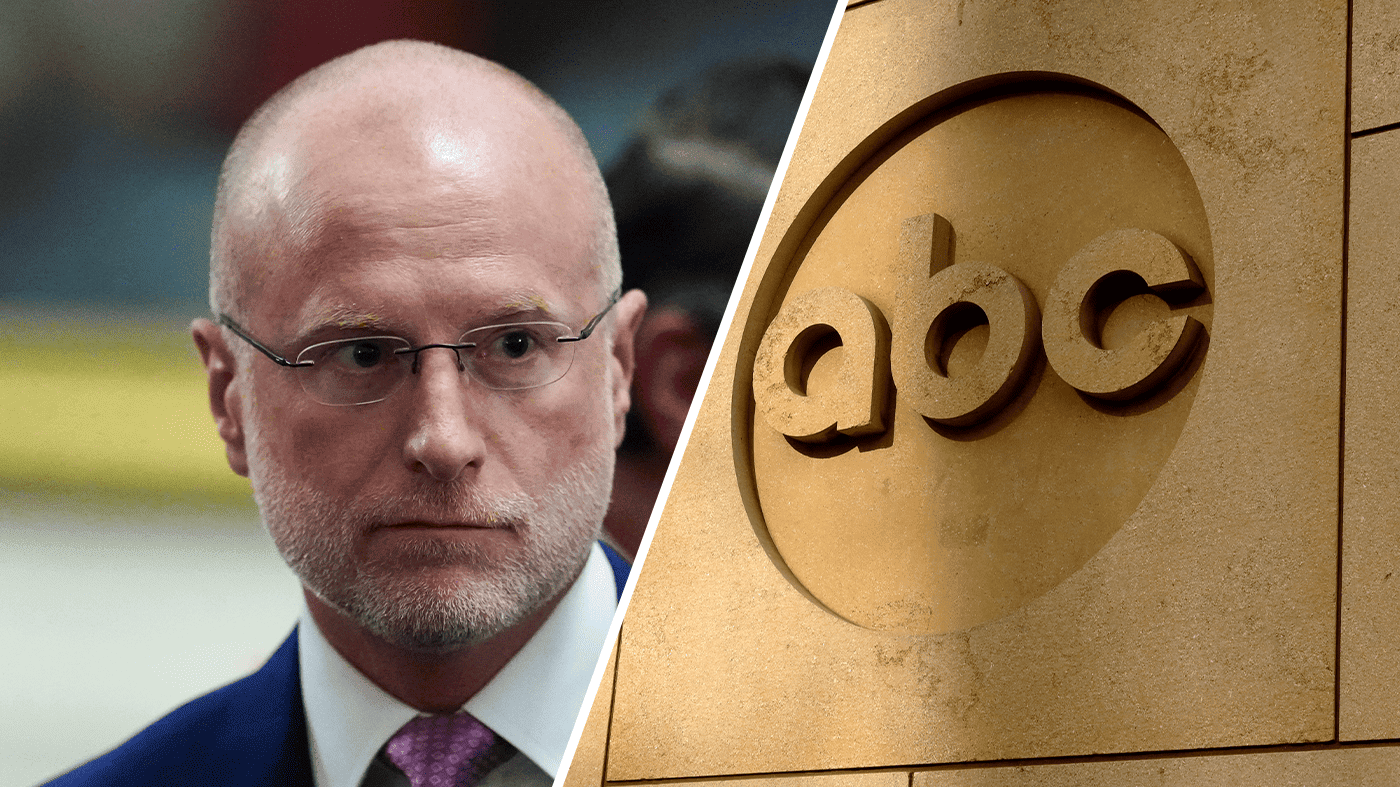
The Walt Disney Company's ABC is pushing back hard against the Federal Communications Commission, arguing in a formal filing that the agency's chairman is trampling on the network's First Amendment rights. The dispute centers on FCC Chair Brendan Carr's escalating examination of ABC's daytime talk show The View and broader diversity initiatives at Disney.
In a Friday submission to the FCC—first reported by The New York Times—ABC frames the agency's actions as an unprecedented overreach that threatens free political discourse. Carr has questioned whether The View qualifies as a legitimate news program under federal rules that grant certain First Amendment protections to broadcasters. Congress carved out those protections for shows deemed to be serving the public interest.
ABC's filing calls Carr's inquiry “unprecedented, beyond the Commission’s authority, and counterproductive to the Commission’s stated goal of encouraging free speech and open political discussion.” The network argues that the FCC's line of questioning has a chilling effect on protected speech, both for The View and for the broader media landscape.
The FCC has also been investigating ABC and its parent company over corporate diversity, equity, and inclusion policies. Last month, the commission called for early license renewal hearings for several local stations Disney owns and operates in major markets. Carr has repeatedly warned that broadcasters using public airwaves must demonstrate they are serving the public interest, or risk losing their licenses.
The timing of the license renewal request—just one day after President Donald Trump called for ABC to fire late-night host Jimmy Kimmel over jokes about the first lady—has raised eyebrows. ABC contends that the scrutiny is politically motivated, noting that Trump and his allies have long sparred with the network. In 2024, ABC agreed to pay Trump $15 million to settle a defamation lawsuit he brought over a segment by anchor George Stephanopoulos.
ABC also pointed to the vibrancy of the modern media ecosystem, arguing that the FCC's concerns are outdated. “Indeed, the marketplace of ideas has never been more robust, and people can hear virtually any brand of political commentary by listening to a podcast, watching cable, scrolling social media, or streaming on a phone, computer or connected TV,” the network stated. “The free flow of ideas flourishes on these non-broadcast platforms even though the equal opportunities rule does not apply there.”
The FCC did not immediately respond to a request for comment. The clash comes amid broader tensions between the Trump administration and major media outlets, with the president recently threatening tariffs on Amazon and reviewing Mexican consulates as part of a wider push against perceived adversaries. ABC's filing is the latest flashpoint in a battle that could redefine the regulatory boundaries of broadcast journalism.