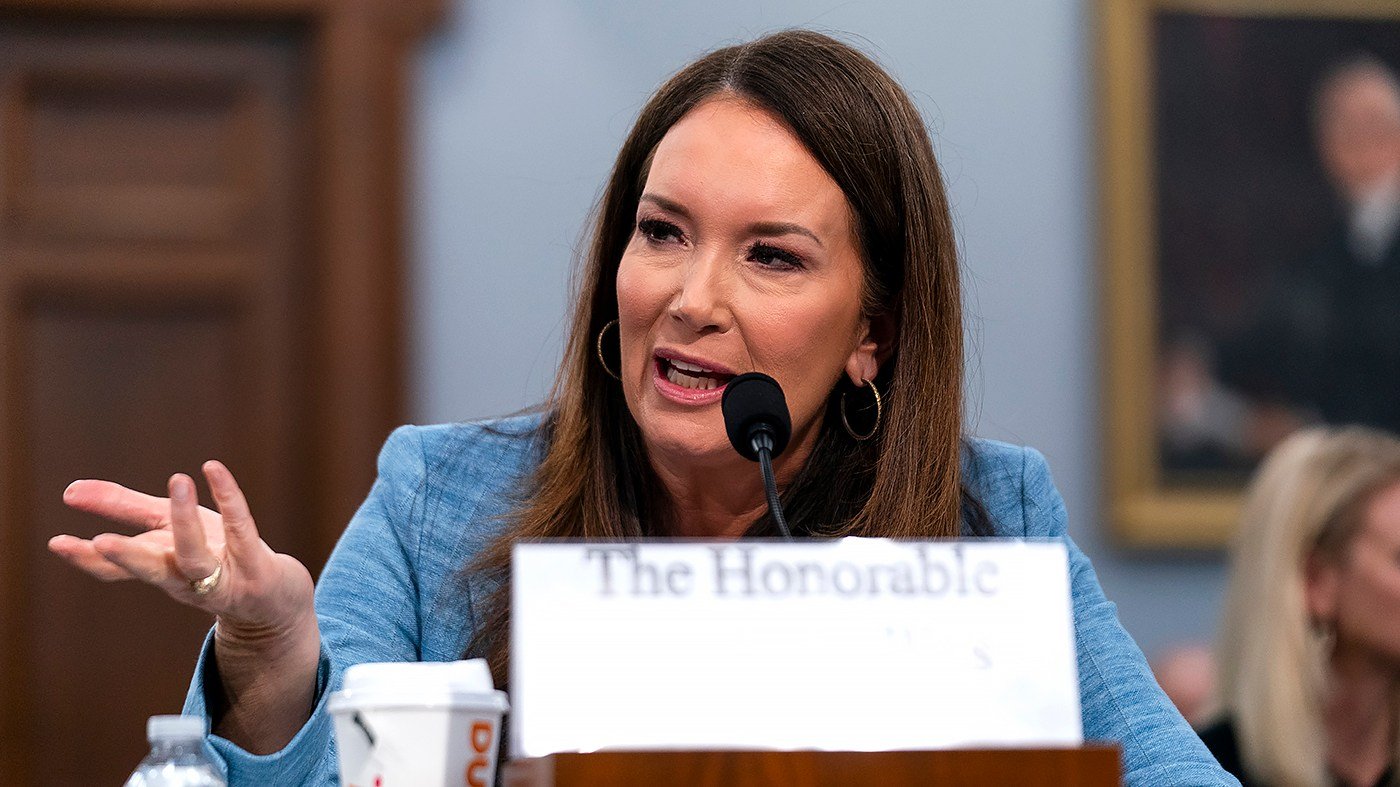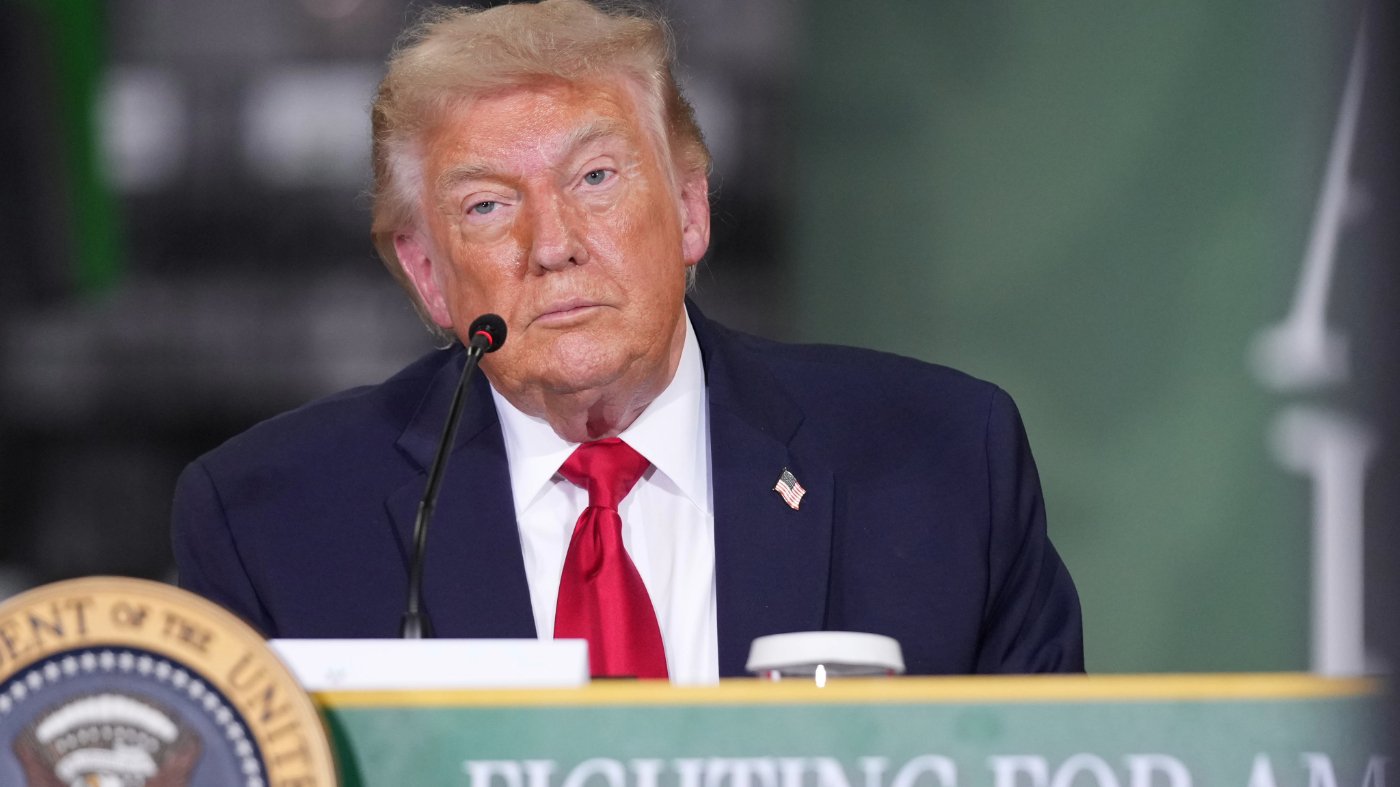
A group of 35 retired federal judges has intervened in a legal battle over President Trump's settlement of a lawsuit against the Internal Revenue Service, alleging the deal was fraudulent and collusive. The former judges, led by conservative jurist Michael Luttig, filed a motion in Florida federal court arguing that the settlement—which included a secret $1.8 billion fund and broad immunity from tax audits—amounted to a “fraud on the court.”
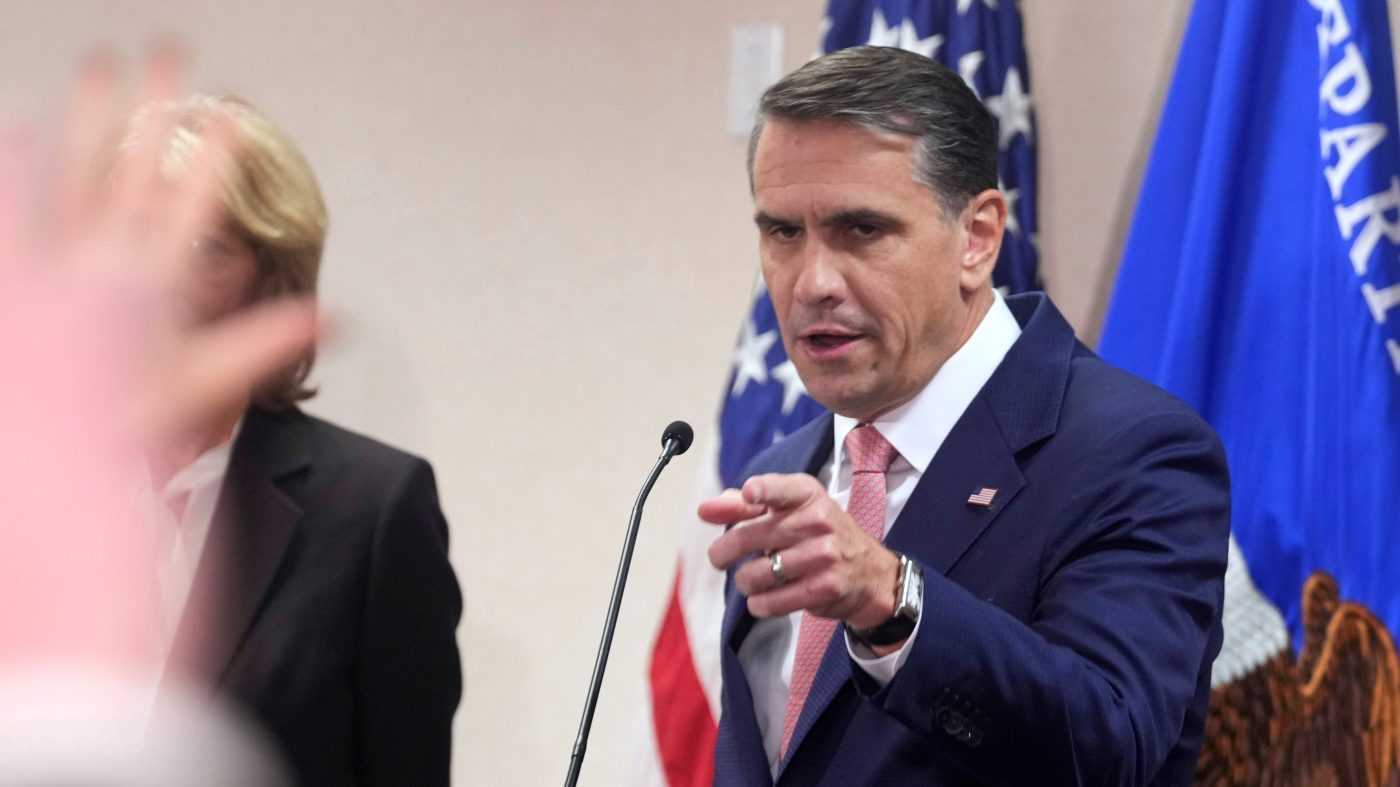
U.S. District Judge Kathleen Williams has ordered Trump to respond to the judges' request to reopen the case by June 12. The White House has already withdrawn plans for the fund, but Acting Attorney General Todd Blanche told Congress the administration would still enforce the release from liability. The case has become a flashpoint in debates over executive power and judicial independence.
The retired judges, all former federal jurists, bring unusual weight to the argument. “The courageous voices of the federal and state judges are the only voices that can and have been heard above the deafening din of partisan political rancor that is literally threatening our nation,” Luttig said. Luttig, appointed to the federal appeals court by George H.W. Bush and considered for the Supreme Court by George W. Bush, resigned in 2006 after being passed over for the high court.
Trump's Self-Dealing Allegations
The core of the judges' complaint is that Trump effectively sued himself—the government—and then settled on terms that benefited him personally. The settlement, they argue, was the product of collusion between the president and his own administration. “Fifty million Frenchmen can’t be wrong,” the judges might say, paraphrasing a 1927 song, but 35 retired federal judges certainly can’t be ignored. Their brief paints a picture of a president who treats the law as a tool for self-enrichment.
This is not the first time retired judges have banded together. In a Supreme Court case on immigrant protections, more than 175 former judges filed a brief arguing that shadow docket orders lack binding precedent. In May, over 100 former judges urged a federal appeals court in Boston to address alleged abuse by Immigration and Customs Enforcement, including moving detainees to evade court orders. The pattern underscores a broader concern about respect for judicial process.
White House spokeswoman Abigail Jackson dismissed the judges as “liberal,” but most courts, including the Supreme Court, welcome amicus briefs from former jurists. The term “amicus curiae,” Latin for “friend of the court,” describes the role these judges are playing—offering expertise without being parties to the case. As one lawyer once joked in court, “He may be an amicus, but he is no friend of mine.”
The challenge comes amid a flurry of Trump initiatives that critics call autocratic. He has proposed a 90,000-square-foot ballroom to replace the White House East Wing, a $250 bill bearing his likeness (violating a law against living people on currency), a “golden fleet” of 20 battleships, and renaming the Gulf of Mexico the “Gulf of America.” A Florida crony introduced a bill to carve Trump on Mount Rushmore, despite experts calling it a geological impossibility. There is even talk of an “Arc de Trump,” a 250-foot victory arch near Arlington National Cemetery, taller than Napoleon’s Arc de Triomphe.
These moves, along with the IRS settlement case, are testing the limits of presidential power. The retired judges’ intervention is a rare moment of judicial unity. As Luttig put it, their voices are needed to cut through partisan rancor. Whether Trump’s response due June 12 will satisfy the court remains uncertain, but the 35 judges have made clear they will not stay silent.