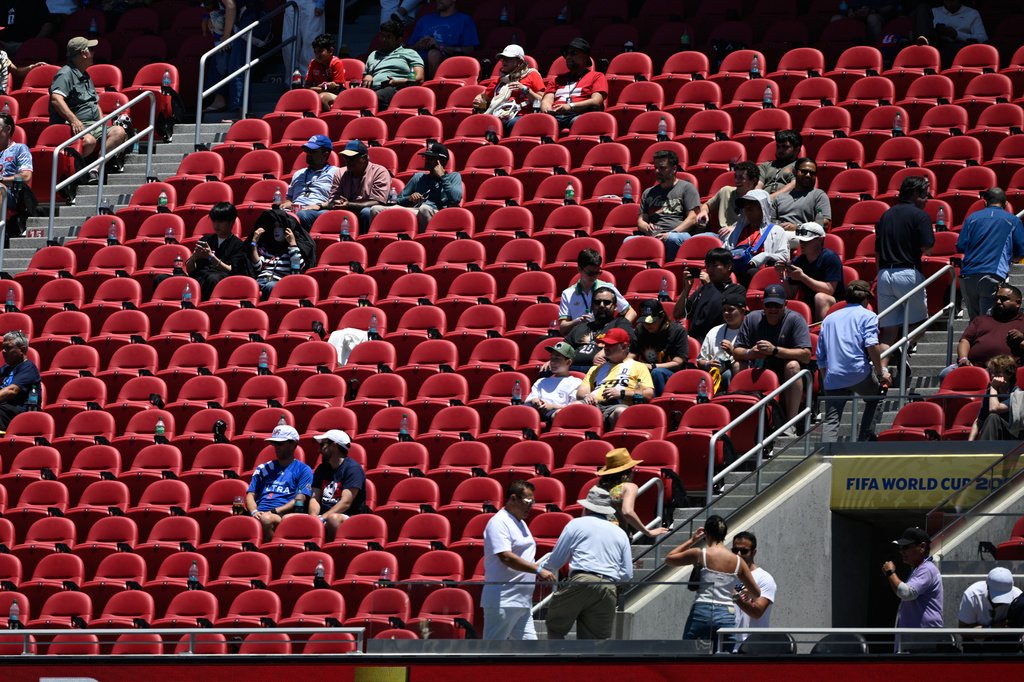
As the World Cup unfolds, images of vast empty sections in stadiums—including during a host team's first home match—have become a glaring symbol of a ticket market gone rogue. For a former sports industry insider, this is the final straw: it's time for politicians to stop grandstanding and start regulating.
Joslin Joseph, a Marine veteran and former employee of the San Diego Padres and the University of Texas athletic department, recounts how dynamic pricing and reseller culture have turned fans into marks. He describes his own bitter experience trying to buy tickets for the Las Vegas Grand Prix: after making a required donation to enter a presale, he was told the event sold out—only to later receive an email inviting him to the general on-sale, where heavily marked-up resale tickets were already available.
Joseph argues that the same dynamic is now on display at the World Cup, with 71 of 104 matches not sold out and tickets priced beyond reach for many fans. He points to a growing movement called “Blue Dot Fever,” where fans are fed up with being exploited.
“I used to tell season ticket holders that the best value wasn't going to games but flipping tickets on StubHub,” Joseph writes. “Now I preach the opposite: sitting in front of the TV is better because I'm not being fleeced.”
The problem, he says, starts with dynamic pricing—a system he helped implement at the Padres. While it made sense to charge more for a Yankees game than a Rockies game, it also trained fans to become de facto brokers. Season ticket holders began buying up inventory for premium games to resell at huge profits, while less desirable games sat unsold, leading to empty seats.
Fees compound the issue. Joseph recalls a working mother who prepurchased parking online to avoid hassle, only to find an empty lot where parking could be bought without a convenience fee. “The fees sometimes cancel out any discount,” he notes, citing complaints from military and law enforcement discount programs.
The result is a system that punishes genuine fans. “Parents want to give their kids memories,” Joseph writes. “Fans want to be in the room when their team reaches the mountaintop. But the industry treats them as marks.”
Political responses have so far been limited to hearings and press releases. But with the World Cup exposing the scale of the problem—and with the 2026 tournament looming in the U.S.—there is growing pressure for action. Texas Attorney General Ken Paxton has already opened an investigation into FIFA's ticket sales practices, and some lawmakers are calling for federal oversight of resale markets.
Joseph argues that dynamic pricing and reseller markups are not just consumer issues—they are political failures. “Fans are being taken advantage of by inflated ticket prices and fees,” he says. “Politicians need to take action to protect fans from being fleeced.”
Whether that action will come before the next World Cup remains uncertain. But for now, the empty seats speak louder than any congressional testimony.