Dave Aronberg, who previously prosecuted Tiger Woods in a 2017 DUI case, said Wednesday that the golfer's latest plea deal is a win for both prosecutors and the defense, given the weaknesses in the state's evidence.
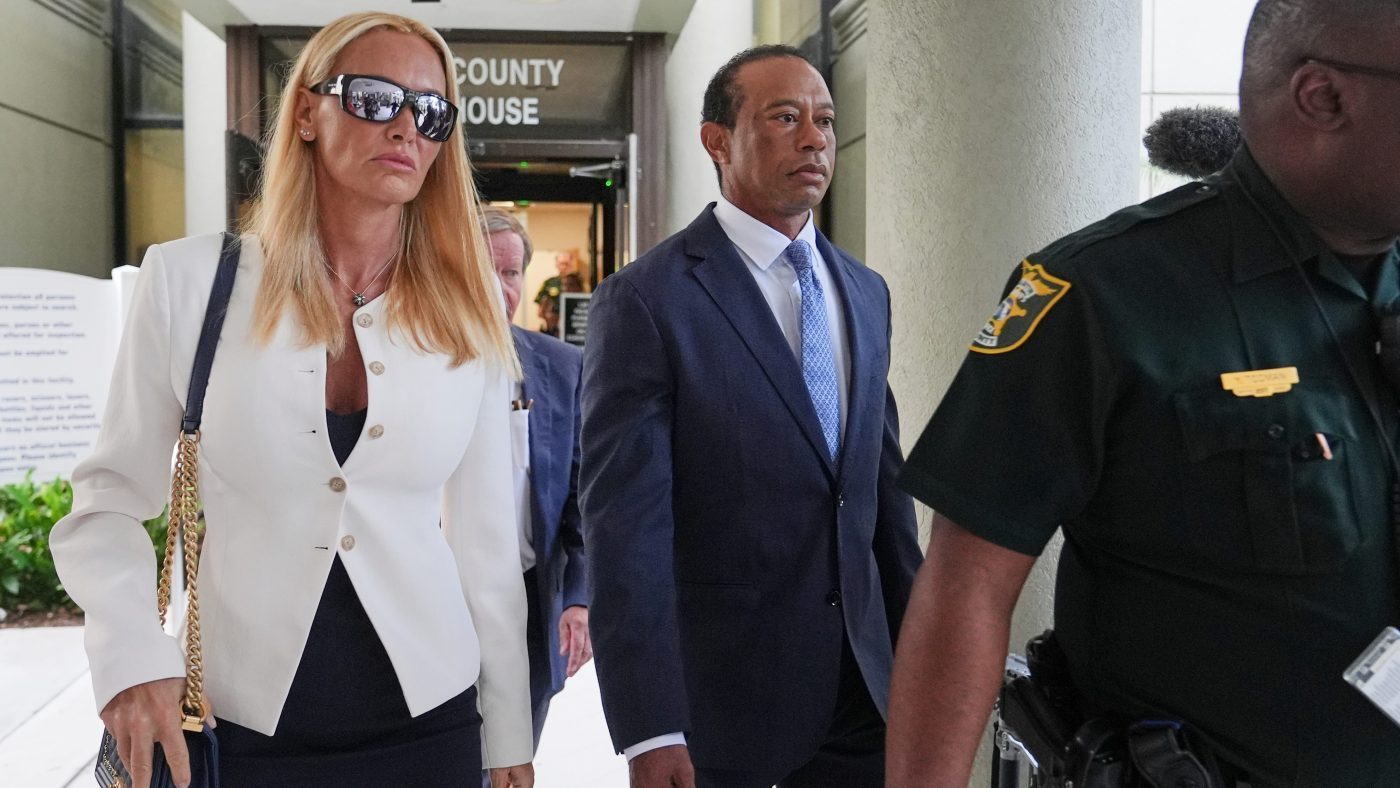
Woods entered a no contest plea to reckless driving on Wednesday, resolving charges stemming from his March arrest in Jupiter, Florida, where he crashed his SUV into a tree and a parked car. The plea, which includes a five-year license suspension and a fine, spares Woods a DUI conviction.
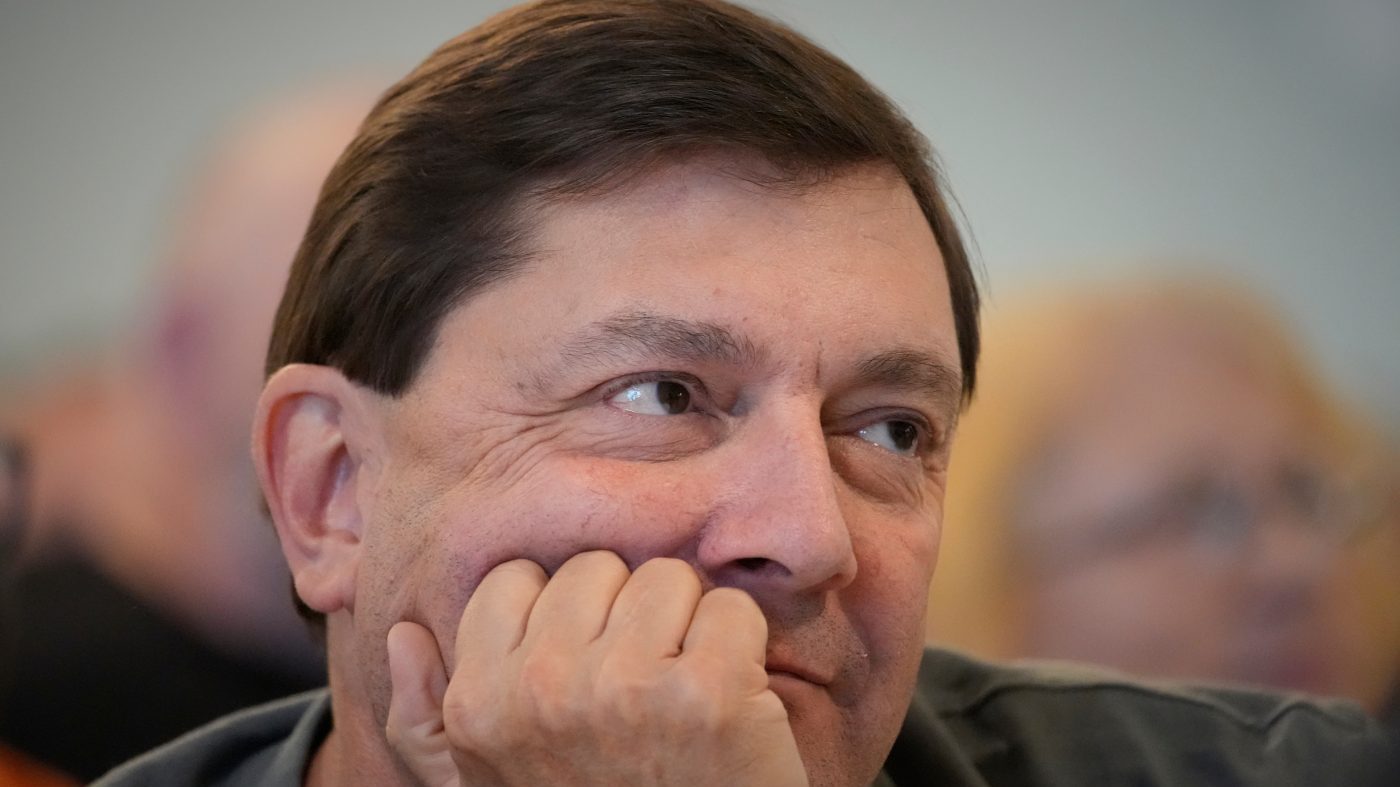
Aronberg, speaking on NewsNation's "Elizabeth Vargas Reports," said the state's case relied heavily on dashcam and body camera footage showing Woods appearing disoriented and unsteady. However, Woods refused a breathalyzer and a urine test, leaving no direct measure of impairment.
"In this case, both sides win," Aronberg said. "It's not that they're throwing out all the charges. He had to pay a price. He had to plead guilty to the lesser offense of reckless driving."
The former prosecutor noted that State Attorney Thomas Bakkedahl "did the right thing in that this case is flawed," acknowledging that the evidence was not a "slam dunk." Bakkedahl defended the deal, saying he acted based on the merits.
Woods' defense argued that his impairment was due to a combination of prescription medications taken for back surgery and other injuries, not alcohol. They said he had developed a tolerance to the drugs, leading to an unintended reaction.
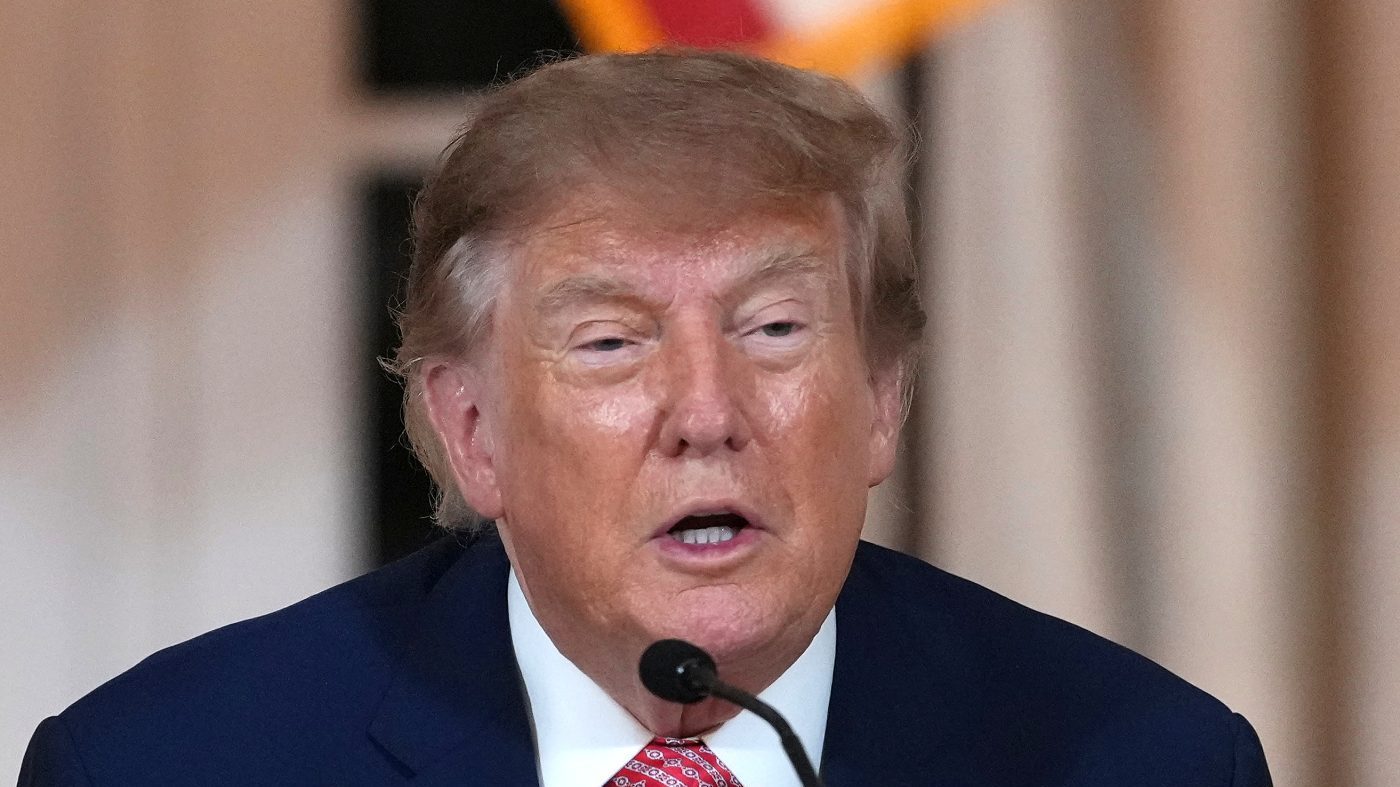
The plea brings a close to a case that has drawn intense media scrutiny, given Woods' status as one of the most famous athletes in the world. It also comes as President Trump weighed in on the deal, calling it "very fair" during Oval Office remarks.
Woods announced after his arrest that he would step away from golf to seek professional help, saying he was committed to returning "healthier and stronger." The plea agreement includes a requirement to complete a DUI education course and perform community service.
In the 2017 incident, Woods was found asleep at the wheel of his running car and later pleaded guilty to DUI. He entered a first-offender program at that time. This latest episode raises questions about his recovery and future on the tour.
Legal analysts say the deal is typical for first-time offenders with no prior DUI convictions, but the high-profile nature of the case amplifies its significance. The license suspension and fines are standard, but the lack of a DUI conviction allows Woods to avoid the most severe penalties, including potential jail time.
As Woods moves forward, the focus shifts to his return to competitive golf and whether he can maintain sobriety. His next steps will be closely watched by fans and critics alike.