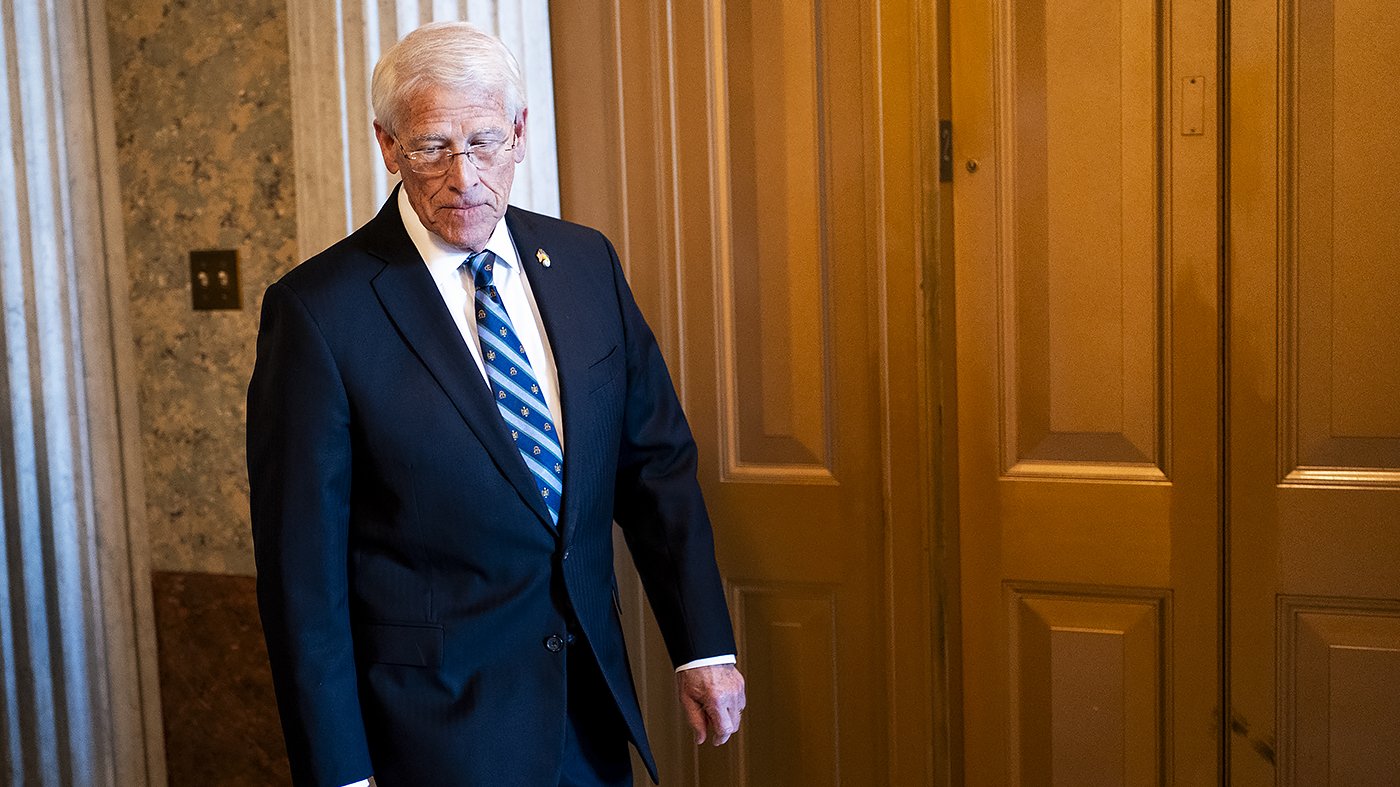
Sen. Roger Wicker (R-Miss.), chairman of the Senate Armed Services Committee, on Thursday voiced strong opposition to the U.S.-negotiated memorandum of understanding (MOU) with Iran aimed at reopening the Strait of Hormuz. Wicker argued the deal effectively trades away hard-won gains from Operation Epic Fury, contradicting President Trump's stated objectives.
“Specifically, the $300 billion fund for the reconstruction and economic development of Iran – though not funded by U.S. taxpayers – would make Iran’s payoff under President Obama’s 2015 deal look like a pittance by comparison,” Wicker said in a statement. The Mississippi Republican joins a growing chorus of GOP senators pushing back against the agreement, which they argue immediately lifts sanctions on Iranian oil exports and could unlock Tehran's frozen assets worldwide.
The MOU promises Iran $300 billion in reconstruction funds if it complies with terms, including not building nuclear weapons and handing over enriched uranium. However, those details remain subject to further negotiations. Wicker, who previously opposed a 60-day ceasefire with Iran, called it a mistake to force Israel to stand down against Hezbollah, the U.S.-designated terrorist group backed by Tehran in Lebanon.
“The Iranian regime has not renounced its ultimate goal — ‘Death to America, Death to Israel.’ The regime will invest every penny it receives to further that aim,” Wicker said. He also rejected lifting any sanctions or unfreezing Iranian funds in exchange for a mere 60-day negotiating window.
Vice President Vance, leading the U.S. negotiations, dismissed the criticism, urging faith in President Trump. “He is the person who has had the courage to fundamentally transform our relationship with Iran and with a lot of other countries over the last year and a half; he believes in this deal; he is going to see it to completion,” Vance said at a White House briefing. He argued that many assessments of the MOU are “just fundamentally untrue,” emphasizing it rewards good conduct and punishes bad behavior, consistent with recent U.S. policy toward Iran.
The administration's stance has drawn sharp lines within the GOP, with some lawmakers echoing Wicker's concerns about the deal's implications for regional stability and U.S. credibility. Meanwhile, Vance's defense underscores the White House's commitment to the agreement, though he maintained that all leverage tools remain available if Iran fails to comply.
This dispute comes amid broader tensions over U.S. foreign policy, including Vance's warning to Israel against attacking Trump and ongoing debates about balancing economic incentives with security guarantees. As the MOU moves to implementation, the rift between congressional hawks and the administration is likely to intensify, with potential repercussions for U.S. alliances in the Middle East.