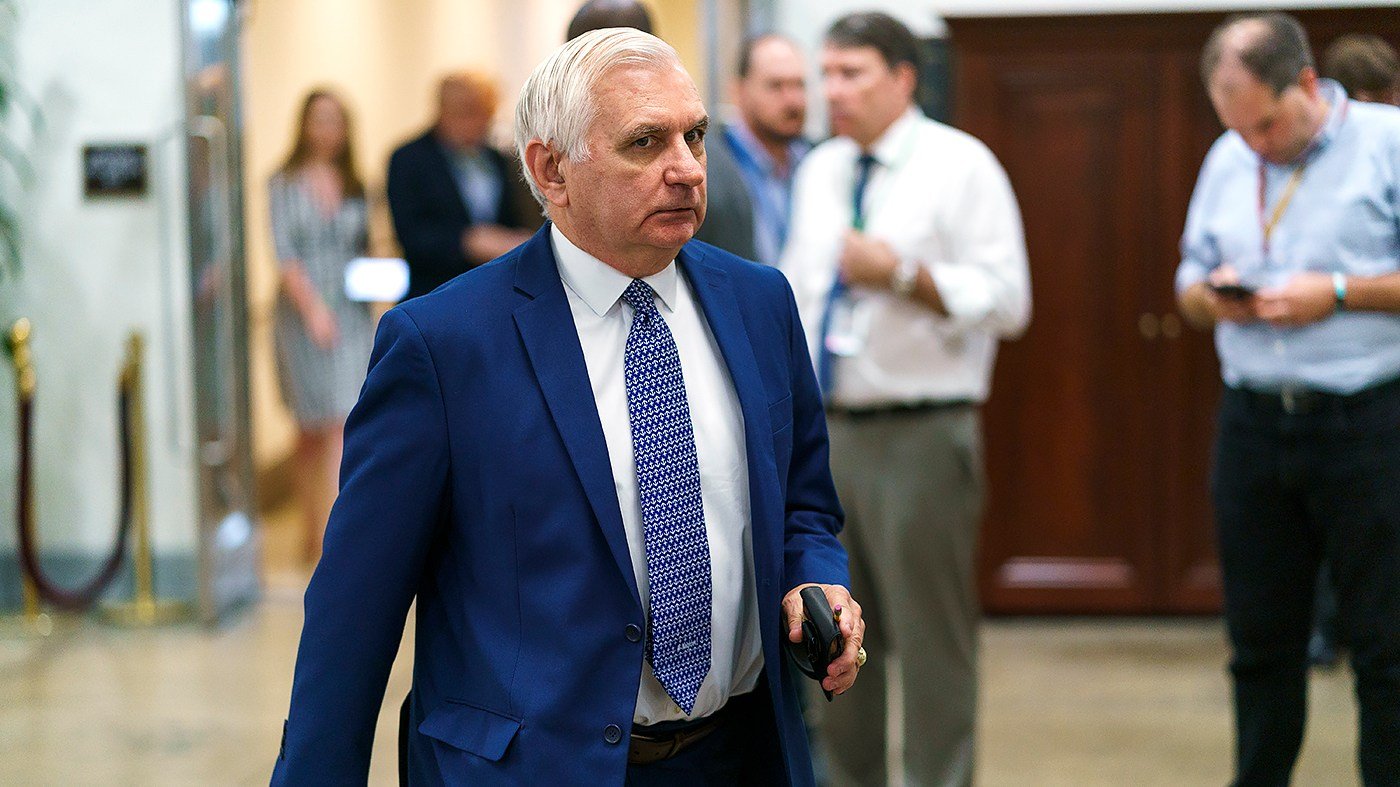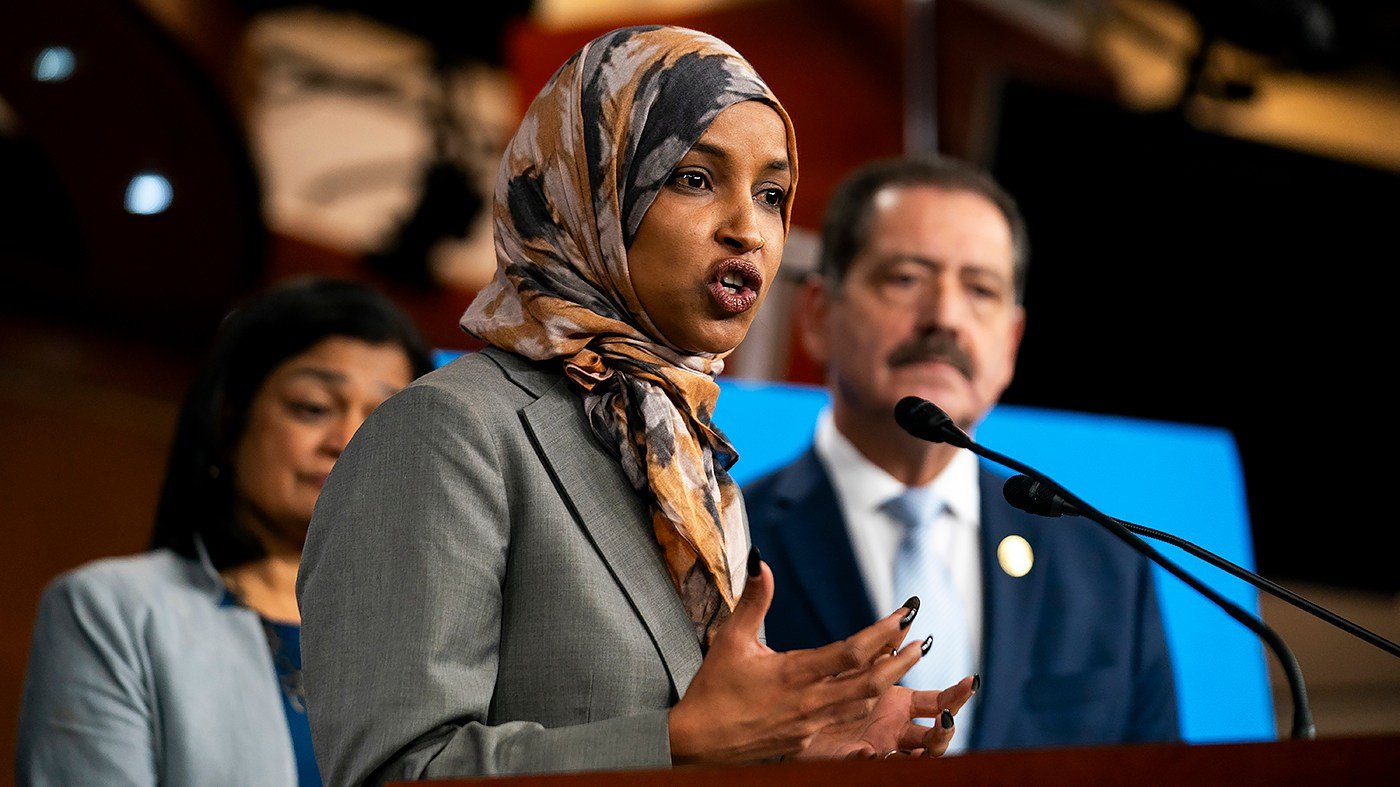
The White House and both chambers of Congress have issued statements backing Second Chance Month and the Second Chance Reauthorization Act, but advocates argue that symbolic support must translate into tangible policy changes to help the hundreds of thousands of Americans reentering society each year.
President Trump’s proclamation for Second Chance Month highlighted the 2018 First Step Act—a bipartisan criminal justice reform bill—and pledged to support restorative pathways for those who have served their time. The Senate passed a bipartisan resolution, and the House introduced its own measure, signaling broad political alignment behind the idea of second chances. Yet, as Heather Rice-Minus, president and CEO of Prison Fellowship, writes, “If our government seeks to support second chances, lawmakers must not only talk but act on their belief by advancing reforms that open doors.”
Rice-Minus draws on the story of her friend Ray, who found redemption in prison but faced overwhelming stigma upon release. “Men and women experience true rehabilitation and restoration behind bars, only to return to a society that shuts them out of opportunities to contribute,” she notes. Ray’s path to stability came through a courthouse-based work center, but many others are not so lucky. Every year, over 450,000 people leave prison, only to confront an unemployment rate exceeding 27 percent—higher than any peak national unemployment in U.S. history. Housing is equally bleak: people with criminal records are routinely denied rental applications regardless of other qualifications.
The practical challenges are compounded by social stigma. “Such staggering obstacles don’t just harm people like Ray; the families that depend on them also suffer,” Rice-Minus writes. She points to proven solutions: job training, housing assistance, addiction treatment, and mentoring. These were the pillars of the Second Chance Act, passed with strong bipartisan support in 2008. Now, the Second Chance Reauthorization Act aims to extend those essential services and reaffirm the federal commitment to reentry initiatives.
“This policy will extend essential opportunities for people like Ray who are returning home from prison and reaffirm the federal commitment to reentry initiatives that work,” Rice-Minus argues. She emphasizes that these are nonpartisan, practical solutions aligned with American values of safety and family strength. Job training and workforce development open doors to employment and bolster local economies. Transitional housing reduces homelessness and promotes long-term stability. “Policies that support reintegration will support the American people,” she adds.
Rice-Minus notes that across the country, business leaders, pastors, correctional officials, and families all want safer streets and real opportunities for restoration. With over 95 percent of the prison population eventually returning home, the stakes are high. “Americans love a comeback story,” she writes, “celebrating triumphant returns and redemption arcs in sports, business, and politics. It’s time for our nation to celebrate the kind of quiet courage displayed by people like Ray.”
The call for action comes amid broader debates over justice reform. While the First Step Act marked progress, advocates argue that reentry support remains underfunded and inconsistent. The Second Chance Reauthorization Act would provide a framework for sustained investment, but its fate depends on lawmakers moving beyond resolutions to legislation. As Rice-Minus concludes, “When we champion second chances, we invest in safer neighborhoods, stronger families, and a justice system worthy of its name.”