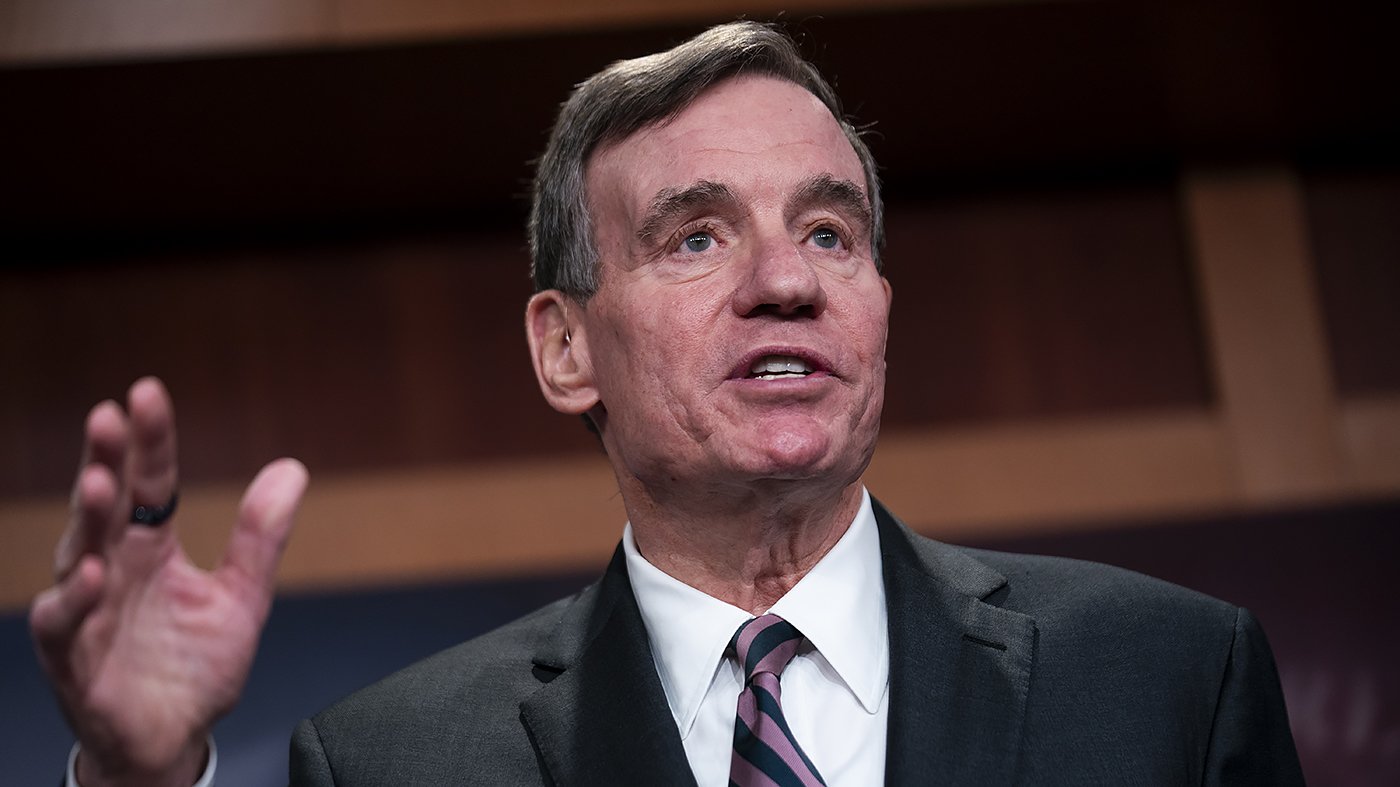
Sen. Mark Warner (D-Va.) took aim at his own party Sunday, arguing that Democrats have become “way too bureaucratic” and need to offer a clearer vision beyond simply opposing President Trump. Speaking on ABC’s “This Week,” Warner said the party must articulate a “fuller strategy” that emphasizes growth, innovation, and tangible results.
“I think the Democrats have not — you know, need to articulate a fuller strategy, not just against Trump,” Warner said. “I want the Democratic Party to be pro-growth, pro-innovation, and actually about getting stuff done.”
His remarks come as the party struggles with persistent unpopularity. A New York Times-Siena College poll from late May found that only 55 percent of Democrats are satisfied with their party, while just 31 percent of independents feel the same. The numbers underscore a broader identity crisis that has deepened since Vice President Harris’s 2024 loss.
Warner’s critique echoes findings from the Democratic National Committee’s election postmortem, released last month, which concluded that the party has “vacillated between stagnation and retrogression” since President Obama’s 2008 victory. The DNC report highlighted a failure to maintain momentum and connect with key constituencies.
In a sign of internal disarray, Democratic leaders have opted not to hold a pre-midterm strategy session this year. Instead, they launched a seven-figure voter registration drive targeting young people earlier in 2025, hoping to shore up a base that has shown signs of fraying.
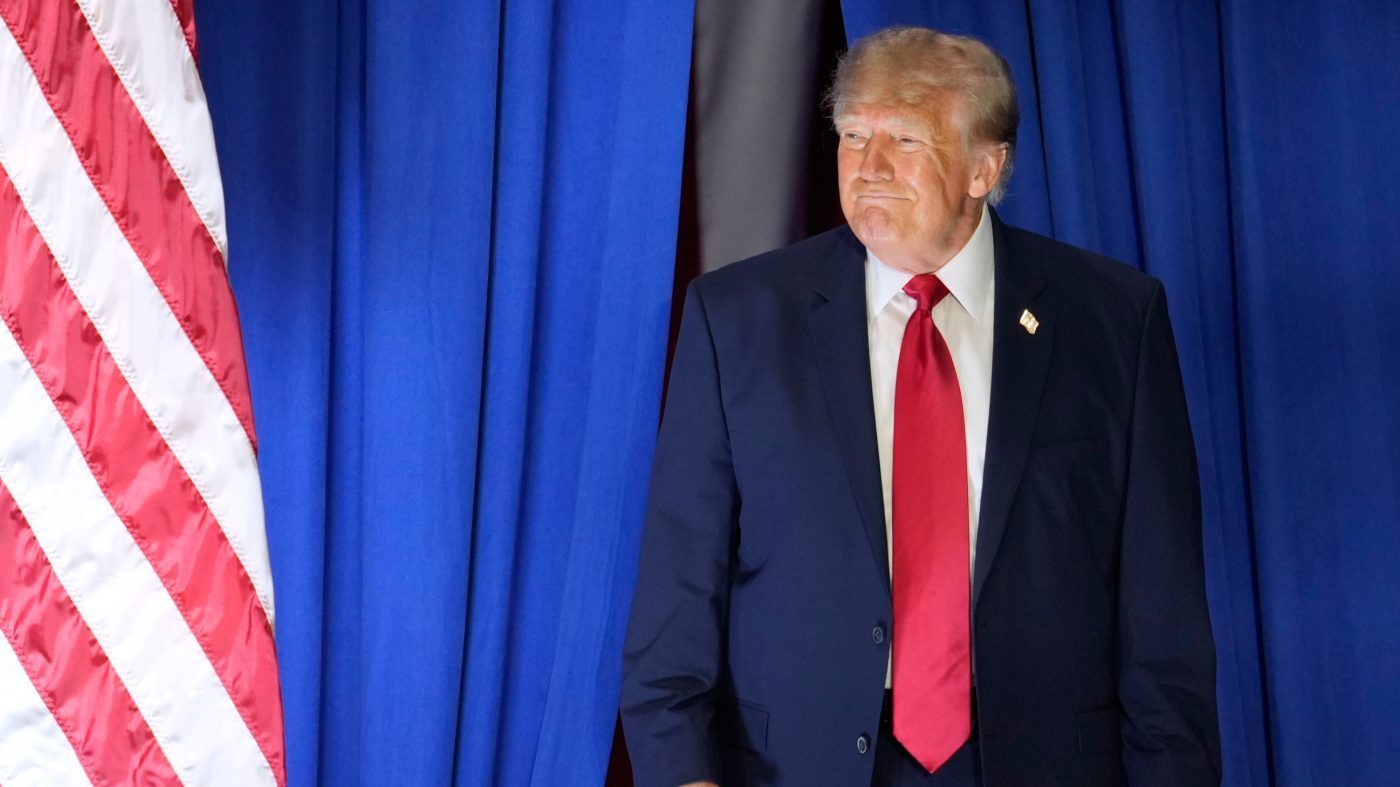
Warner, a frequent Trump critic, predicted that the November midterms will serve as a referendum on the current administration. “Donald Trump drives the agenda,” he said. “This fall, the ultimate decision will be: Are you better off today than when Trump came back in? Has inflation gone up? Are we more secure?”
The senator also cast doubt on Trump’s staying power with voters. “I think people are over Donald Trump at this point,” Warner said. “He’s taken us into a war of choice. We’ve got high gas prices. He seems erratic beyond belief. There’s not a day that goes by that we don’t go, ‘Oh my gosh.’”
Warner’s push for a more proactive, less bureaucratic party aligns with broader calls from figures like Mamdani, who argues Democrats lost touch with working-class economic struggles. Some progressives face a tough choice: polarize or win back working-class voters.
As the midterms approach, Warner’s blunt assessment underscores the Democrats’ urgent need to redefine their message. Whether they can move beyond internal critiques and present a unified, compelling alternative to Trump’s agenda remains an open question.