When President Trump selected JD Vance as his running mate, many veterans, including this writer, saw a reflection of themselves. Vance served in Iraq, albeit in a non-combat role, but he went to a war zone, did his duty, and later achieved success in civilian life. For many, he represented the best of the Global War on Terror generation. Despite political disagreements, there was hope that Vance would be a champion for active-duty troops and the millions of veterans across the country.
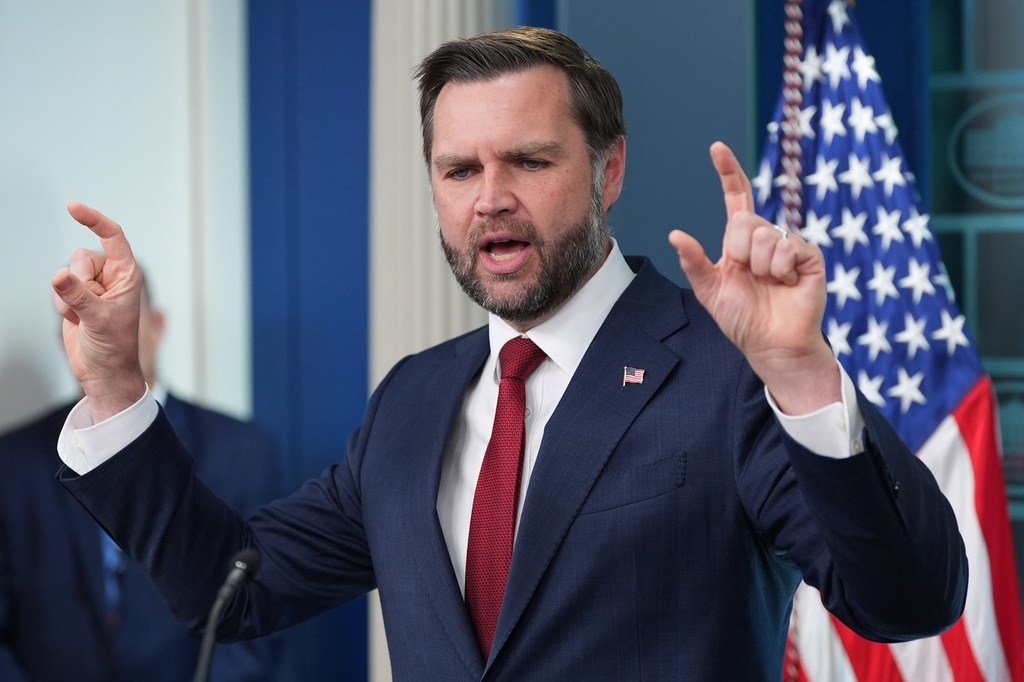
That hope has been shattered. In a move that many veterans view as a profound betrayal, Vance stood at the White House podium and declared that the ongoing military action against Iran is not a war. This semantic contortion serves one purpose: to shield President Trump from political fallout. Trump, who initiated the strikes, faces sinking approval ratings and public weariness over another foreign entanglement. Vance, who initially opposed the conflict, is now tasked with selling it to the American people, and he chose to do so by denying reality.
The consequences are not merely rhetorical. Take the case of Air Force Major Alex Klinner, killed in action against Iranian forces. His widow, Libby, struggled to obtain combat-related benefits because the Pentagon refused to classify his death as a combat casualty. Only after the media pressed Vance directly did the military move to assist her. This is a stark illustration of how Vance's denialism harms the very people he swore to support. Vance's refusal to use the word 'war' has real-world implications for families like the Klinners.
Beyond the families of the fallen, Vance's stance undermines the psychological well-being of thousands of service members who have been deployed in the region for months. They have faced rocket attacks, drone strikes, and the constant threat of escalation. Yet, by denying the nature of their service, Vance exacerbates a long-standing problem: veterans' reluctance to acknowledge their own combat experiences. Many, like this writer, have internalized the military's minimization of their service. I served in Iraq, patrolled the Syrian border, and came under fire, but I long insisted I was not a combat veteran because I never fired my weapon. It took a conversation with Medal of Honor recipient Florent Groberg to realize that my experience mattered.
Vance, who walked similar paths, should understand this. But he has chosen to prioritize political loyalty over the well-being of the troops. His decision to step into the briefing room and deliver this message is a calculated move to control the narrative, but it comes at the expense of truth and honor.
The Iran conflict, with hundreds injured and countless more facing long-term psychological scars, is a war by any measure. By denying it, Vance is not protecting the president; he is betraying the men and women who serve. Veterans of past conflicts had the benefit of their wars being called wars. Today's service members deserve the same recognition, not a vice president who throws them under the bus for political gain.
As a Marine veteran, I never expected to see a fellow Marine so callously disregard the sacrifices of his comrades. Vance should stand with them, not against them. The American people deserve a leader who tells the truth, not one who distorts it to save a failing administration.