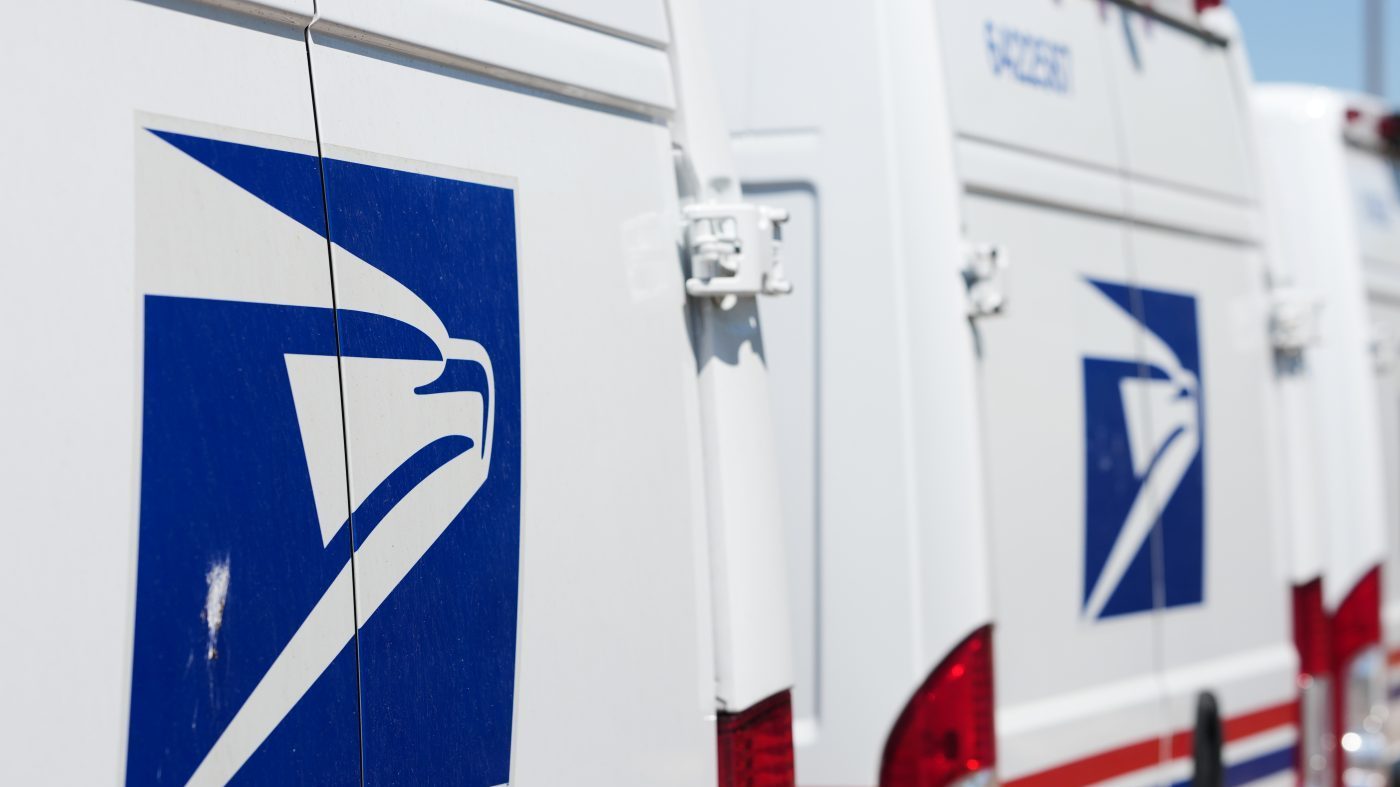
The United States Postal Service is pressing ahead with new eligibility requirements for mail-in ballots, aligning with a presidential directive that a federal court has already struck down. The move sets up a fresh confrontation over voting procedures just weeks before the November midterms.
In a 95-page report scheduled for official release on Aug. 26, the USPS outlined how it would handle the distribution of mail-in and absentee ballots for the upcoming election. The guidelines closely mirror an executive order President Trump signed in March, which required states to provide a list of eligible voters based on citizenship data before their residents could receive mail-in ballots.

Under the new USPS policy, states have 60 days before the Nov. 3 election to notify the agency if they intend to submit such a list. Only then would the Postal Service send ballots to voters in those states. This echoes the president's earlier mandate, which was blocked in June by U.S. District Judge Indira Talwani.
Judge Talwani's nationwide injunction argued that implementing the order would create "confusion" and "chaos" so close to the election. She noted that with less than 90 days until the midterms, changing election rules at this stage would be harmful. The White House, however, signaled it would continue pursuing the policy. Spokesperson Lauren Bis said the administration "will continue lawfully enacting the agenda President Trump was elected to enact – which includes the safety and security of American elections."
Postmaster General David Steiner had earlier assured senators that the policy would ensure "the right ballots are going to the right people." But critics argue the requirements could disenfranchise voters and create administrative hurdles for states.
Trump has long claimed, without evidence, that mail-in voting is rife with fraud. He has also criticized court decisions that allow ballots postmarked by Election Day to be counted if they arrive later. In late June, he called such a ruling a "tremendous loss in the Supreme Court."
The controversy comes as mail-in voting has become more common. According to a June report from the U.S. Election Assistance Commission, mail-in ballots made up 30.3% of all votes cast in the 2024 general election, a significant increase from pre-pandemic levels. That trend has intensified the debate over how to balance accessibility with election integrity.
In a separate development, Trump has not ruled out declaring a national emergency if the Senate fails to pass the Safeguard American Voter Eligibility (SAVE America) Act, which would require proof of citizenship to register and a photo ID at the polls. When asked about that possibility in August, he said, "Let me just say that stranger things have happened, OK? I'll leave it at that."
The USPS's decision to move forward with the new rules, despite the court order, is likely to spark further legal challenges. Election officials in several states have already expressed concerns about the feasibility of meeting the new requirements. Some have pointed to the emergency appeals pending before the Supreme Court on voting rules, which could ultimately decide the fate of these restrictions.
The situation also echoes previous disputes over election procedures, such as the president's own use of mail-in voting in Florida's primary, which drew attention given his vocal criticism of the practice. As the midterms approach, the clash between federal directives and judicial oversight is likely to intensify.