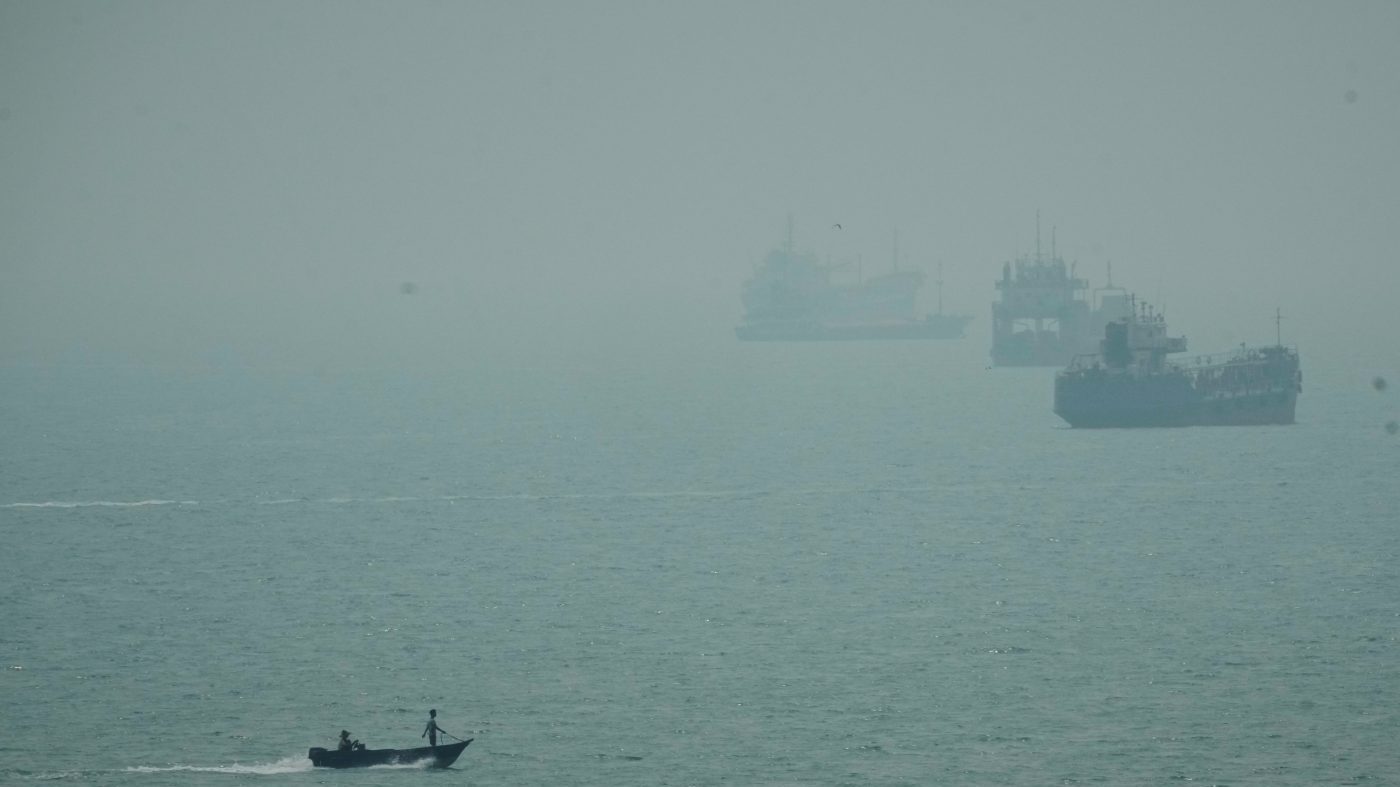
American military forces disabled a commercial vessel on Thursday after it tried to evade the U.S. naval blockade of Iranian ports, according to U.S. Central Command (CENTCOM) on Friday. The incident underscores the continued enforcement of the maritime embargo that has been a cornerstone of Washington's strategy against Tehran.
In a statement, CENTCOM said the crew of the Palau-flagged bulk carrier M/V Pacific Archer “attempted to run the U.S. naval blockade, despite multiple warnings” after leaving the southern Iranian port of Bandar Abbas. A U.S. military aircraft then launched precision munitions that struck the ship's stern, disabling its propulsion. The civilian crew was reported unharmed.
The command also released an unclassified video clip of the strike, which lasted eight seconds and showed the moment of impact.
The naval blockade was reimposed in mid-July after a previous enforcement period from mid-April to late June, coinciding with the broader U.S. and Israeli military campaign against Iran. The blockade has been a key element of economic pressure aimed at crippling Iran's oil exports and its Islamic Revolutionary Guard Corps (IRGC).
Adm. Brad Cooper, commander of CENTCOM, said on Oct. 16 that the blockade had cost Iran $25 billion in oil revenue, directly affecting the IRGC's finances. “As a point of emphasis, with the exception of the humanitarian assistance we've allowed in, Iran has no exports and no imports by sea,” Cooper said in a video message. “The sum total of these actions has imposed devastating costs on Iran's security apparatus and the IRGC specifically.”
Last weekend, CENTCOM marked 130 consecutive days of the blockade, stating on social platform X that it is “preventing” the IRGC “from exporting billions of dollars in crude oil.” The command added that its forces have redirected 158 compliant commercial vessels and disabled six others that refused to comply.
“All mariners operating in the Gulf of Oman and approaches to the Strait of Hormuz are urged to heed blockade warnings issued by CENTCOM forces,” the command said.
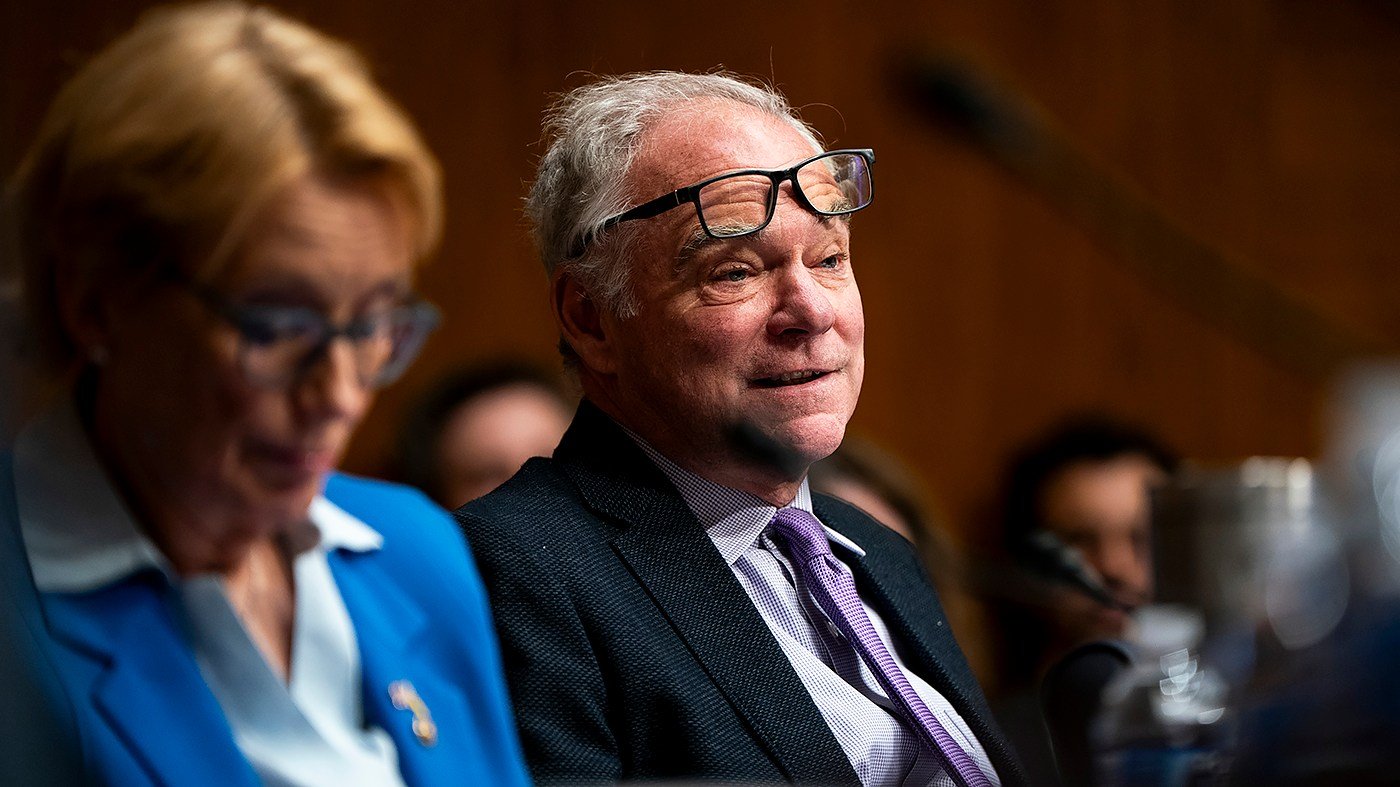
The conflict with Iran reaches its nine-month mark on Saturday. President Trump said Thursday that the war will end “sort of whenever” he decides to wind it down. The ongoing military operations have come at a significant cost to U.S. taxpayers. During a Senate Armed Services Committee hearing on Nov. 13, Pentagon budget official Arthur Miller told Sen. Richard Blumenthal (D-Conn.) that the conflict had cost $48.3 billion so far, covering munitions, equipment replacement, and operational expenses. Miller noted that this figure does not include the full cost of damage to U.S. military facilities in the Middle East from Iranian attacks.
The blockade has become a central flashpoint in the broader confrontation, with the U.S. vowing to maintain the pressure until Tehran changes its behavior. The latest incident signals that Washington remains committed to enforcing the embargo despite international criticism and the humanitarian concerns it raises.