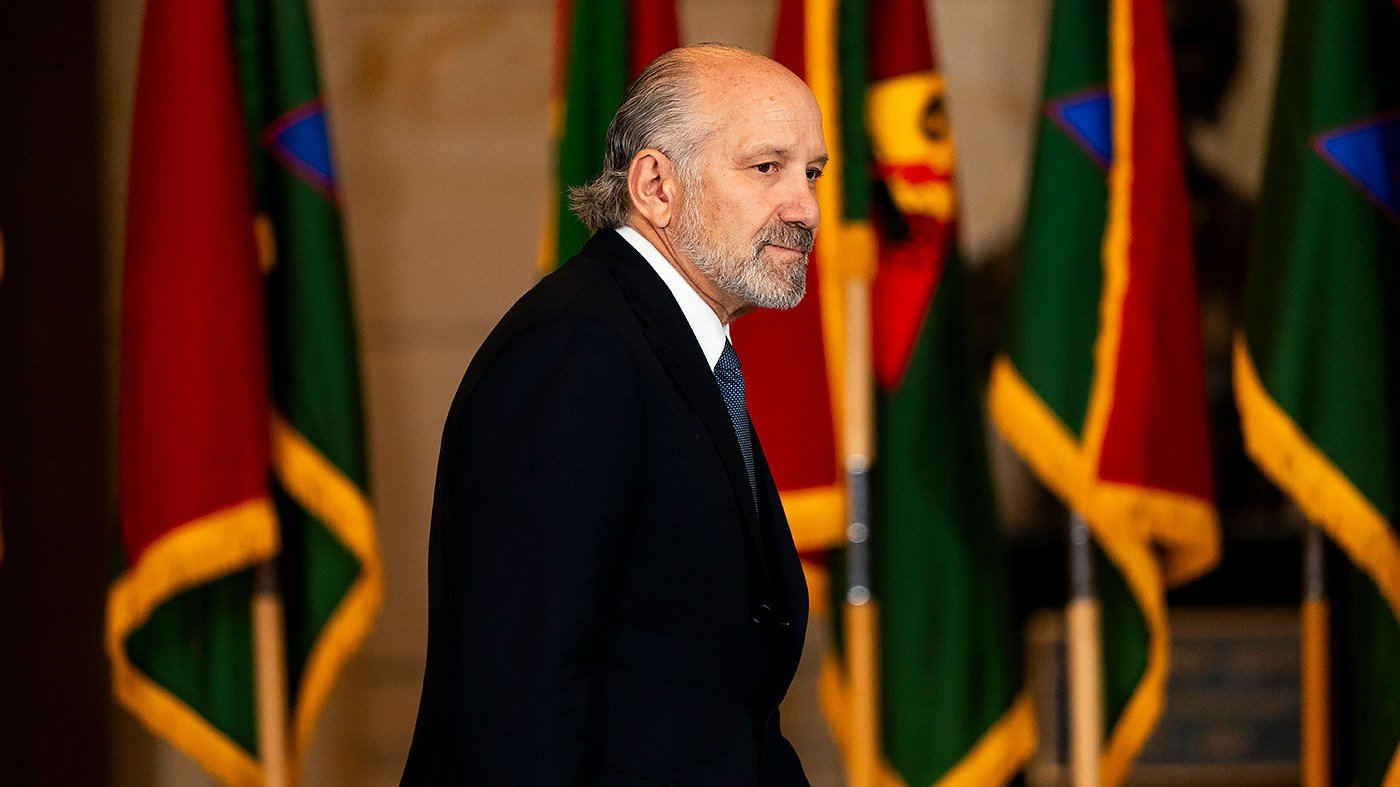
Commerce Secretary Howard Lutnick is facing mounting bipartisan criticism on Capitol Hill after reports that Nvidia sold billions of dollars in advanced chips to a Singapore-based company formerly linked to a suspected Chinese intelligence asset. Senators from both parties are demanding accountability, with several calling for Lutnick to testify or even resign.
The controversy centers on Nvidia's sale of high-tech chips to Megaspeed, a Singapore firm whose former senior executive, Alice Huang, is accused by U.S. intelligence of having ties to Chinese espionage. Lawmakers have also criticized President Trump's role in persuading Nvidia's board to reinstall Jensen Huang as CEO after he admitted to an extramarital affair with Alice Huang, whom intelligence officials say had contact with a Chinese spy agency.
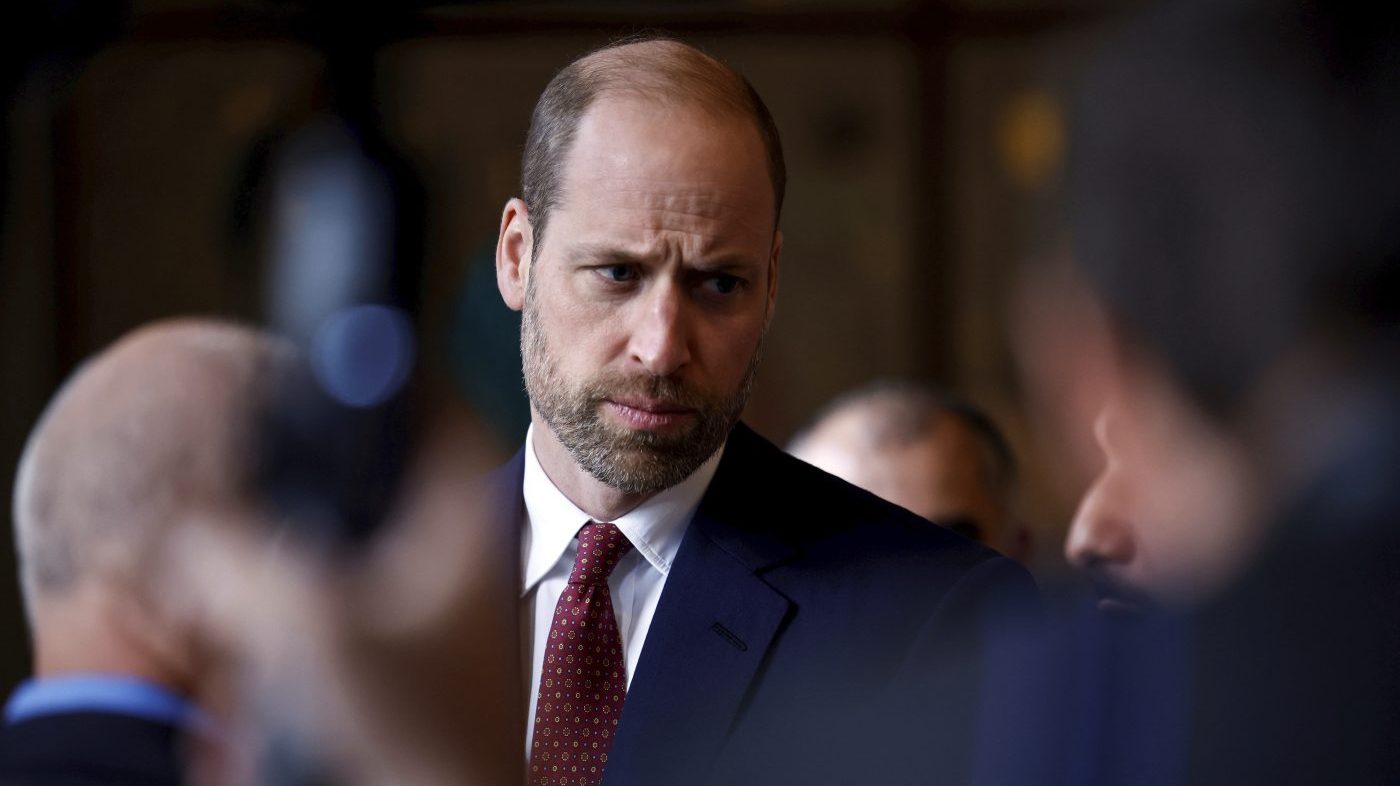
While senators have limited power to reverse Nvidia's decision, they can exert significant pressure on Lutnick, whose Commerce Department depends on congressional appropriations. Senate Intelligence Committee incoming chair Mark Warner (D-Va.) said Lutnick has “a host of problems,” and suggested the Commerce Department may have permitted sales beyond the Megaspeed case that undermined restrictions on China's access to advanced chips.
“The idea that the Commerce Department has been allowing potentially not just some of these one-off descriptions of [chip sales] that Nvidia’s been doing but through other Chinese shell companies — we deserve answers,” Warner said.
Senate Intelligence Committee chair Tom Cotton (R-Ark.) echoed those concerns, saying he had warned the administration that advanced chips were slipping past export controls. He called for Congress to pass stricter legislation, including his Chip Security Act, and said such bills would pass “overwhelmingly bipartisan.”
Lutnick is also under scrutiny for reportedly resisting pressure from Treasury Secretary Scott Bessent and Secretary of State Marco Rubio to place Megaspeed on a trade blacklist. Bessent told CNBC he was frustrated by the delay and said the Commerce Department “has the pen” and should explain its internal processes. He reiterated that President Trump had made clear China should not receive Nvidia chips above the H100 level.
Democrats, who will control both chambers in January, are probing whether Lutnick had financial conflicts of interest. They want to know if Southeast Asian data centers that supplied computing power to China had ties to Cantor Fitzgerald, the financial firm Lutnick once led and which is now run by his sons. Rep. Jamie Raskin (D-Md.) said Lutnick and other administration officials may have “converging personal, political, corporate and financial interests” in keeping Jensen Huang as Nvidia's CEO.
Senate Banking Committee chair Tim Scott (R-S.C.) has asked Lutnick to appear before his panel next month. Sen. John Kennedy (R-La.) said the Commerce Department appeared to have “knowingly” allowed sensitive AI technology to bypass export restrictions, and called for both Lutnick and Bessent to testify under oath. “If Secretary Lutnick is giving our chips away, he needs to stop it, in my opinion,” Kennedy said.
Adding to the pressure, a new report in The Atlantic claims Lutnick reassigned federal agents investigating AI chip smuggling to his personal security detail, pulling them off a critical national security mission. Incoming Senate Commerce Committee chair Maria Cantwell (D-Wash.) said she has “great concerns about his leadership of Commerce.” Sen. Thom Tillis (R-N.C.) said Lutnick should resign, noting that Lutnick was reportedly briefed on intelligence about Huang's affair before Trump invited him on Air Force One en route to a meeting with Chinese President Xi Jinping. “Lutnick should have damn well should have known,” Tillis said.
The Commerce Department has maintained that Lutnick has complied with all ethics rules. But with key Republicans joining Democrats in demanding answers, speculation is growing that Lutnick's tenure could be in jeopardy. For more context on the broader trade tensions, see global backlash over tariffs and renewed push for chip export limits.