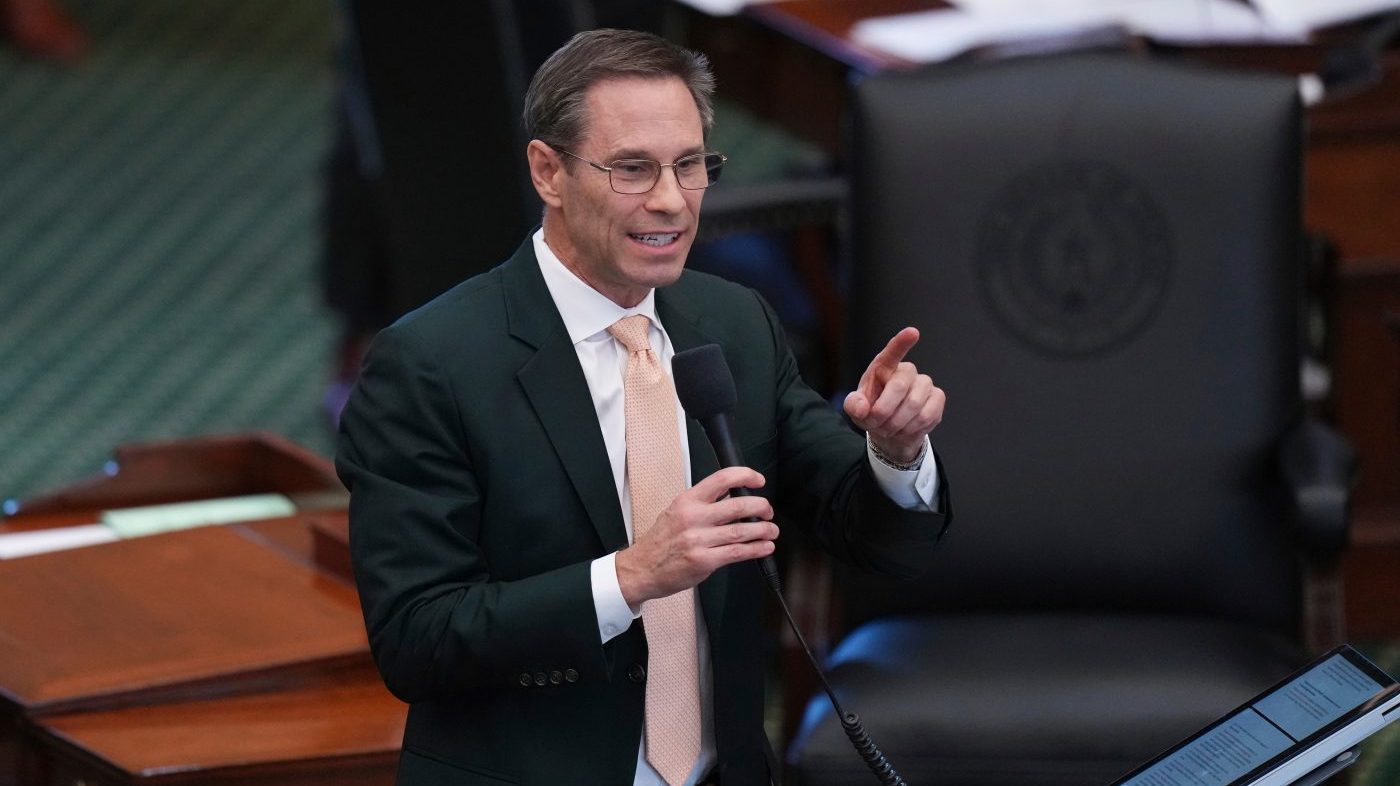
Texas Attorney General-elect Nathan Johnson (D) announced he will not defend the state's law requiring public schools to display the Ten Commandments, a break from his predecessor's aggressive legal stance. In an interview with The Dallas Morning News, Johnson said the law is unconstitutional and that the state's position will change when he takes office in January.
"The court will have the ultimate say as to what's constitutional and what is not, but I'm the one who says what the state's position is, and it will not be the position the state has previously taken," Johnson said. His comments signal a sharp reversal from the outgoing administration, which championed the measure as a moral victory.
Texas is among several Republican-led states that have passed similar mandates. A federal appeals court recently allowed Texas's law to stand, while a judge in Arkansas struck down a comparable statute. Outgoing Attorney General Ken Paxton (R) had called the ruling a "major victory for Texas and our moral values." His office argued the commandments are essential for students' daily learning.
Johnson's stance is part of a broader pledge to resist what he calls "the MAGA machine's assault" on individual rights. He also said he will oppose construction of the Trump administration's border wall in Big Bend, labeling the project wasteful, corrupt, and "ineffectual," and raising constitutional concerns about separation of powers.
The incoming AG acknowledged that halting the wall may require congressional action. He also praised Paxton's recent decision to drop several high-profile lawsuits, which critics had called politically motivated. "Irrespective of the likely political motivation behind it, I applaud the termination of these lawsuits," Johnson told The Hill. "It marks the first tangible and important result of the election."
Johnson takes office amid a Democratic wave in Texas, including Gina Hinojosa's victory in the governor's race. His refusal to enforce the Ten Commandments law is likely to spark legal and political battles. Paxton's exit has already reshaped the state's legal priorities.
Texas Republicans have pushed to integrate biblical content into public schools, including optional curriculum and required reading. Johnson's move could set up a clash with the legislature, which may seek to override his decision or fund legal defense independently.
Legal experts note that the 5th Circuit's ruling in favor of Texas may not be the final word, especially with a new attorney general declining to defend the law. Johnson's position aligns with civil liberties groups that argue the measure violates the First Amendment's establishment clause.
As Johnson prepares to take office, his decisions on this and other contentious issues will be closely watched. His commitment to block the border wall and other Trump-era policies has already drawn national attention. Trump's ongoing disputes with state officials could add further friction.
For now, Johnson's stance marks a significant shift in Texas's legal posture, one that could influence similar battles in other states. Some Republicans have already used the Democratic wins to pitch their states as alternatives.