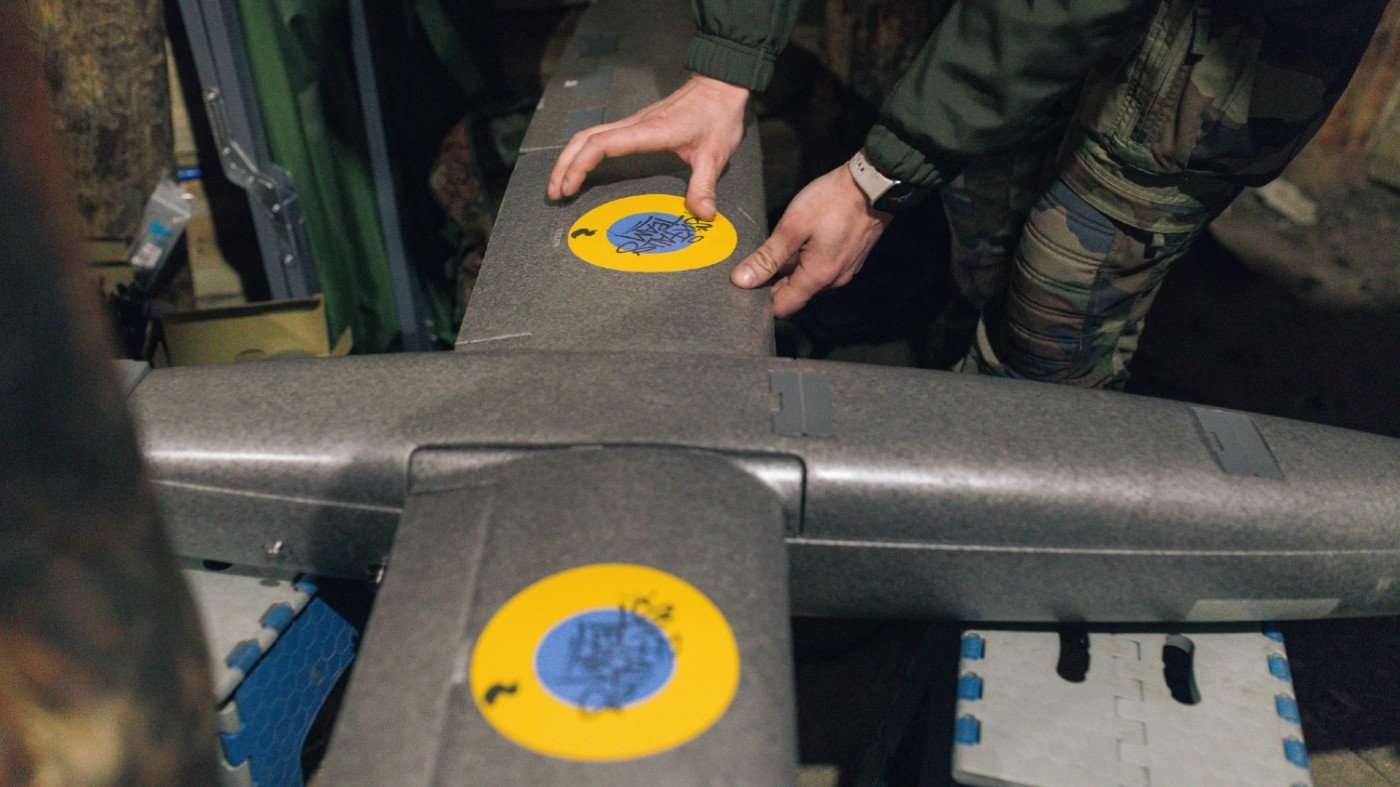
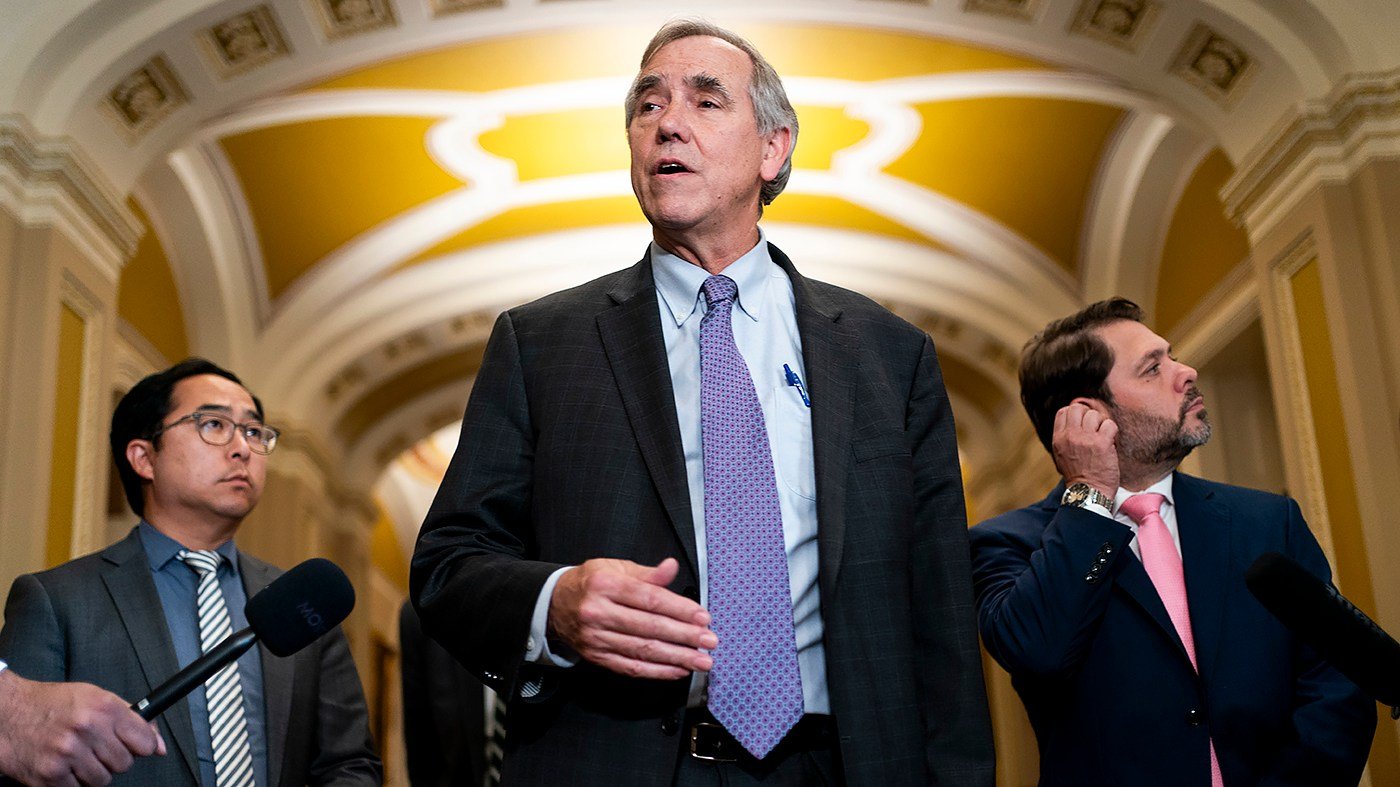
While Washington's focus remains divided, Ukrainian defense firms are actively courting U.S. lawmakers and investors, showcasing advanced, cost-effective production capabilities. This push occurs against a backdrop of sustained, bipartisan American support for Ukraine, even as political debates occasionally flare.
Yet a fundamental perception problem persists among Kyiv's allies: many still treat Ukraine as a burdensome crisis to manage rather than a strategic opening to seize. This mindset, analysts argue, represents one of Ukraine's most significant diplomatic hurdles.
The Kremlin's Narrative War
Moscow expertly fuels this perception, investing heavily in propaganda to paint Ukraine as irredeemably corrupt and incapable of democratic governance. This campaign influences Western discourse, where discussions of Ukraine's economy often stall on familiar caveats about corruption and bureaucratic hurdles, leading to historical underinvestment. A similar dynamic plagues debates on aid conditionality, where demands for reform can become an excuse for inaction rather than a catalyst for deeper engagement.
Experts argue conditionality remains essential but must be paired with robust support. Western partners should amplify resources for anti-corruption institutions and transparency measures. Concurrently, Ukraine must accelerate sweeping reforms, particularly within its judiciary, to definitively shed its post-Soviet legacy and build investor confidence.
From Buffer Zone to Security Exporter
The narrative must shift from viewing Ukraine merely as a geopolitical buffer—a label Ukrainians reject—to recognizing its potential as an exporter of stability and resilience. As the largest country by landmass in Europe, with a population smaller than Germany's, Ukraine possesses untapped economic scale. Its people have demonstrated remarkable innovation, rapidly building a vast ecosystem of drone manufacturers and defense tech startups amid a full-scale war.
Despite daily Russian attacks, Ukraine's GDP grew in 2024, and it remains a leading global supplier of sunflower oil. This 'battlefield-tested' economy offers unique lessons in resilience across nearly every sector. The strategic implication for Washington is clear: failure to engage with Ukraine's innovative economy cedes ground to competitors, including China.
A Democratic Counterweight
A victorious, democratic Ukraine would powerfully signal to other post-Soviet states that escaping Russia's orbit is possible, creating new opportunities for U.S. influence. Russia, viewed as a strategic adversary seeking American downfall, is at a vulnerable point. Supporting Ukraine presents a chance to deliver a decisive setback to the Kremlin at no cost in American lives, a strategic calculation that stands in stark contrast to other global flashpoints. For instance, recent debates over the U.S. posture toward Iran, including warnings about Iran's advantage in the Strait of Hormuz and criticism of ceasefire terms as a strategic failure, highlight the complex trade-offs in foreign policy. Furthermore, discussions on alliance reliability, such as concerns over NATO's future, underscore the value of a committed, capable partner like Ukraine.
The core argument is that Ukraine represents a singular opportunity: a democratic project of immense strategic value actively proving its resilience. To dismiss it as a perpetual charity case, the analysis concludes, is a profound failure of strategic vision.