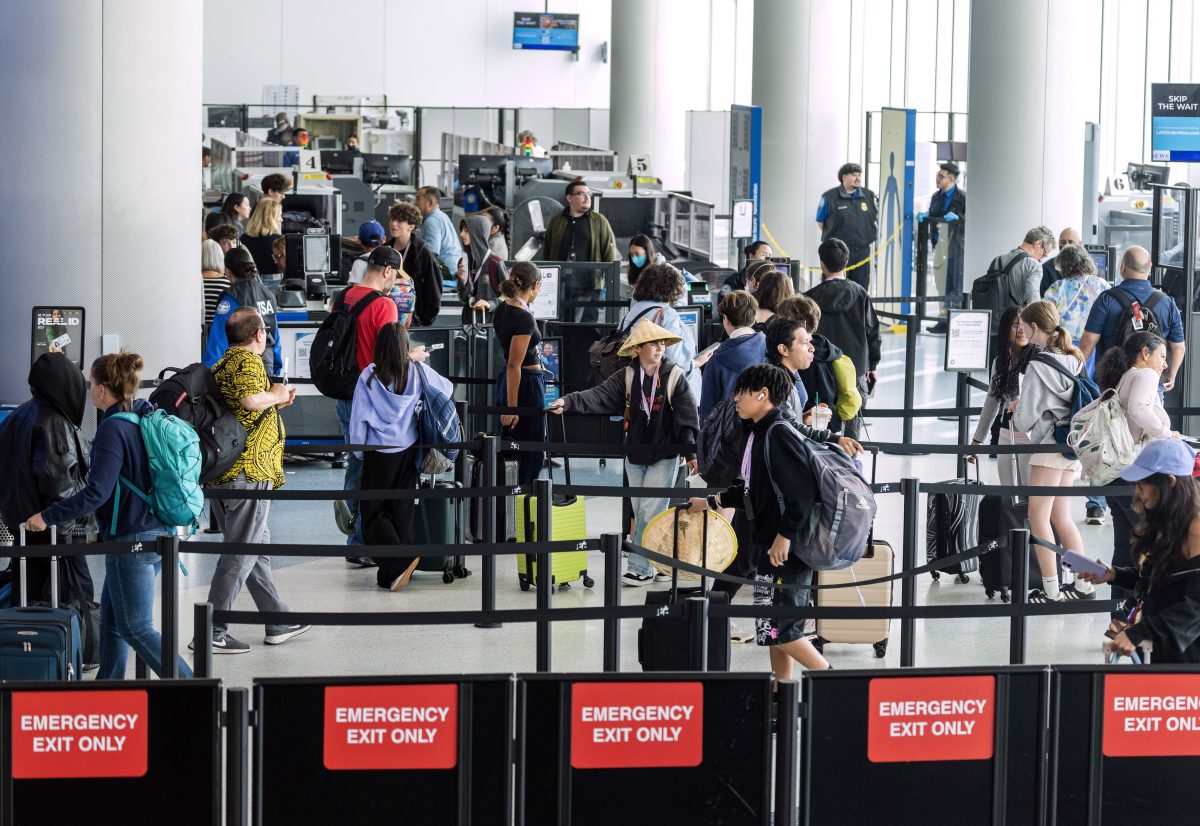
The Transportation Security Administration has unveiled a new initiative, TSA Gold+, that allows airports to hand over security screening to private firms, a move that could reshape airport security across the country. Announced as a way to achieve what the agency calls “world-class security and customer experience,” the program is being pitched as a solution to rising travel demand and evolving threats, but it also carries a clear political subtext: freeing airports from the unpredictability of federal budget cycles.
Under TSA Gold+, airports can opt into a public-private partnership where private security companies handle screening duties currently performed by TSA officers. The agency insists that all private firms must comply with its “robust federal security standards,” but the program’s website explicitly notes that security at participating airports would be unaffected by “lengthy federal budget cycles.” That language has been widely interpreted as a reference to government shutdowns, like the partial shutdown in early 2026 that left TSA officers working without pay. By outsourcing security, airports could avoid similar disruptions in the future, though critics warn that privatization could erode oversight and accountability.

The initiative comes as the TSA faces mounting pressure to streamline operations amid record travel volumes. In a statement, the agency said TSA Gold+ “will unlock innovation, expand screening capacity, and achieve world-class security and customer experience.” The program’s website frames it as a way to tailor security operations to each airport’s unique needs, a flexibility that federal bureaucracy often lacks.
Proponents argue that privatization could lead to faster, more efficient screening, potentially reducing wait times and improving passenger satisfaction. However, labor unions representing TSA officers have expressed concerns about job security and the potential for lower standards. The program is voluntary, meaning airports must choose to participate, and it remains unclear how many will opt in.
The TSA Gold+ rollout comes amid broader debates over federal efficiency and spending. While the agency emphasizes that private firms must meet federal standards, the program’s reliance on private contractors echoes trends in other government services. Similar partnerships have been used in other sectors, such as the FCC’s overhaul of the $3 billion school internet program, where private sector involvement has sparked controversy over priorities and oversight.
For now, the TSA is positioning Gold+ as a pilot program, with the goal of expanding it to more airports in the coming years. The agency has not disclosed which airports are first in line, but the program’s website is already soliciting interest from airport authorities. As travel demand continues to climb, the success or failure of TSA Gold+ could set a precedent for how the federal government balances security, efficiency, and budget resilience.
Critics, however, remain skeptical. Some lawmakers have questioned whether private firms can match the rigor of federal screening, especially given the TSA’s own history of security lapses. Others point to the program’s timing, coming as the Transportation Secretary faces a House panel over a $26.6 billion budget amid fuel crisis, suggesting the administration may be looking to offload costs. The debate over TSA Gold+ is likely to intensify as airports weigh the trade-offs between federal control and private efficiency.