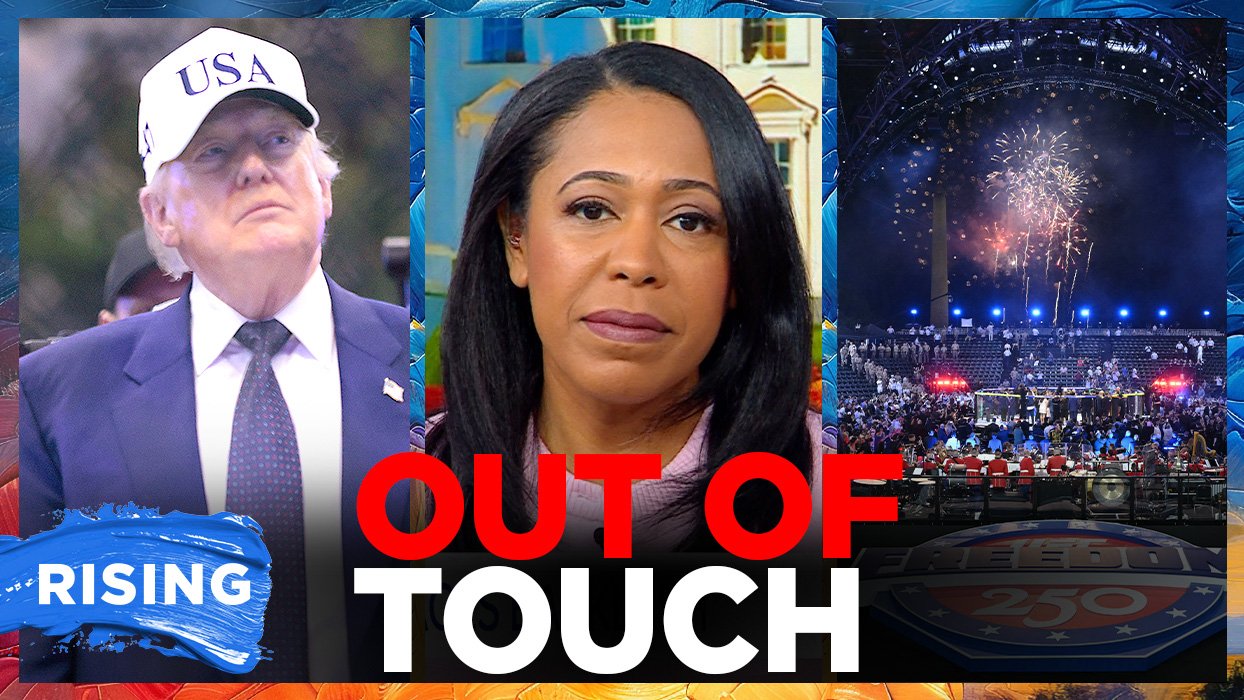
President Donald Trump turned the South Lawn into a battleground this weekend, but the real fight is over whether the White House should be used as a personal profit center for a sitting president. The event, a UFC fight card staged ahead of America's 250th birthday, has drawn sharp criticism from across the political spectrum, with polls showing even Republican voters are uneasy.
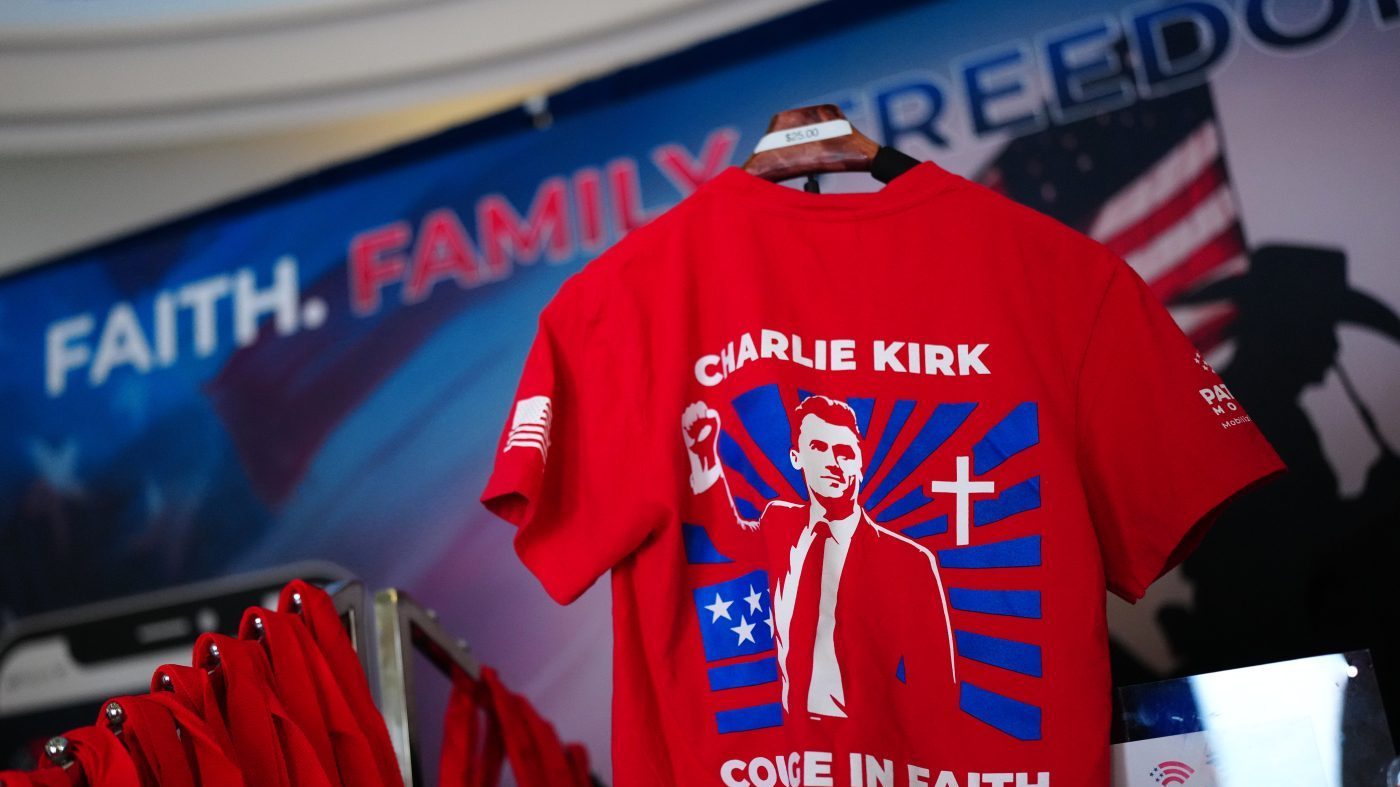
The White House, traditionally a venue for state dinners and diplomatic summits, was transformed into a mixed martial arts arena complete with corporate sponsors, cryptocurrency promotions, and Trump-branded merchandise. Financial disclosures reveal that Trump owns stock in UFC's parent company, meaning he directly profits from the event. A million-dollar-per-plate fundraiser tied to his political operation was held in conjunction with the fight night, and commemorative Trump medallions are being sold for hundreds to thousands of dollars.
The cryptocurrency angle adds another layer of controversy. The UFC announced that some fighters would receive bonuses in a stablecoin issued by World Liberty Financial, a crypto venture launched by the Trump family. The company was added as an official sponsor just days before the event, raising questions about insider dealing and conflicts of interest.
Legal filings indicate the event required the involvement of multiple federal agencies, hundreds of personnel, and an estimated $60 million in resources. This comes as Americans face rising costs for groceries and gas, and the World Bank warns that the conflict involving Iran is creating the most significant shock to the global economy since the COVID-19 pandemic. Trump's recent preliminary Iran agreement has done little to ease these pressures.
CNN analyst Harry Enten highlighted a recent poll showing just 16% of Americans think the event was appropriate. Among Republicans, support dropped to 30%, a staggering 50-point gap from Trump's typical approval rating within the party. The same poll found that 80% of independent voters view Trump as 'out of touch.'
'Americans don't find this thing to be appropriate,' Enten said. 'Even among Republicans, the die-hard base, just 30 percent. His approval rating with Republicans usually hovers over 80 percent, so we're talking 50 points.'
Critics argue the event blurs the lines between governing, campaigning, branding, and personal enrichment. The White House, they say, should not be a venue for pay-per-view spectacle or a platform for the president's business ventures. Supporters counter that it was a patriotic celebration ahead of the nation's 250th birthday, but the optics of a president profiting from public property have proven difficult to defend.
The backlash comes as Trump heads to the G7 summit, where he faces skeptical allies over his Iran deal announcement and ongoing trade disputes. Meanwhile, the administration is grappling with a scorching CPI report that has put pressure on economic adviser Kevin Warsh, as detailed in our analysis of the inflation crisis.
Whether viewed as a uniquely American spectacle or an undignified misuse of a national symbol, the event underscores a cultural moment where politics has become entertainment, and entertainment has become politics. The bigger fight is whether Americans will continue to accept leaders who ask for their votes while showing so little regard for the financial struggles many families face every day.