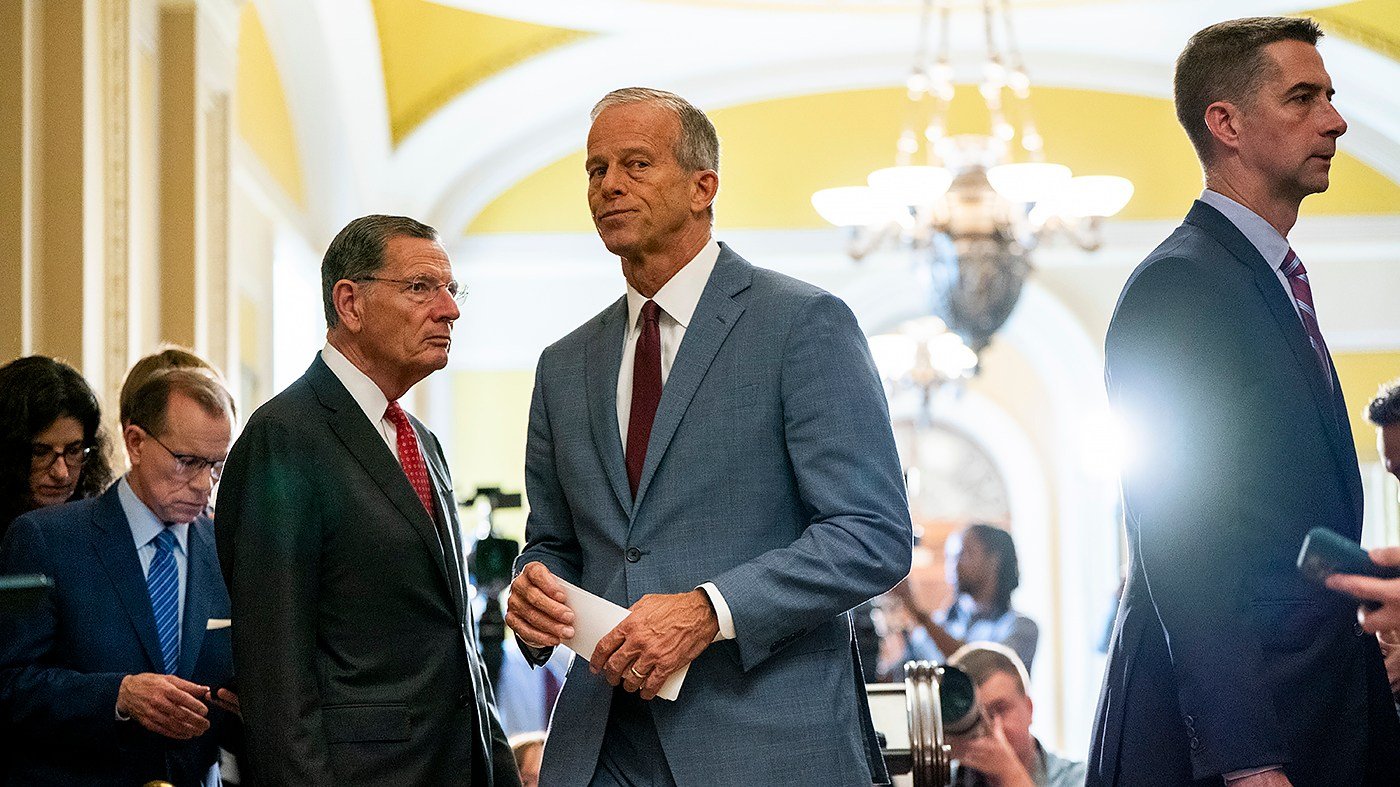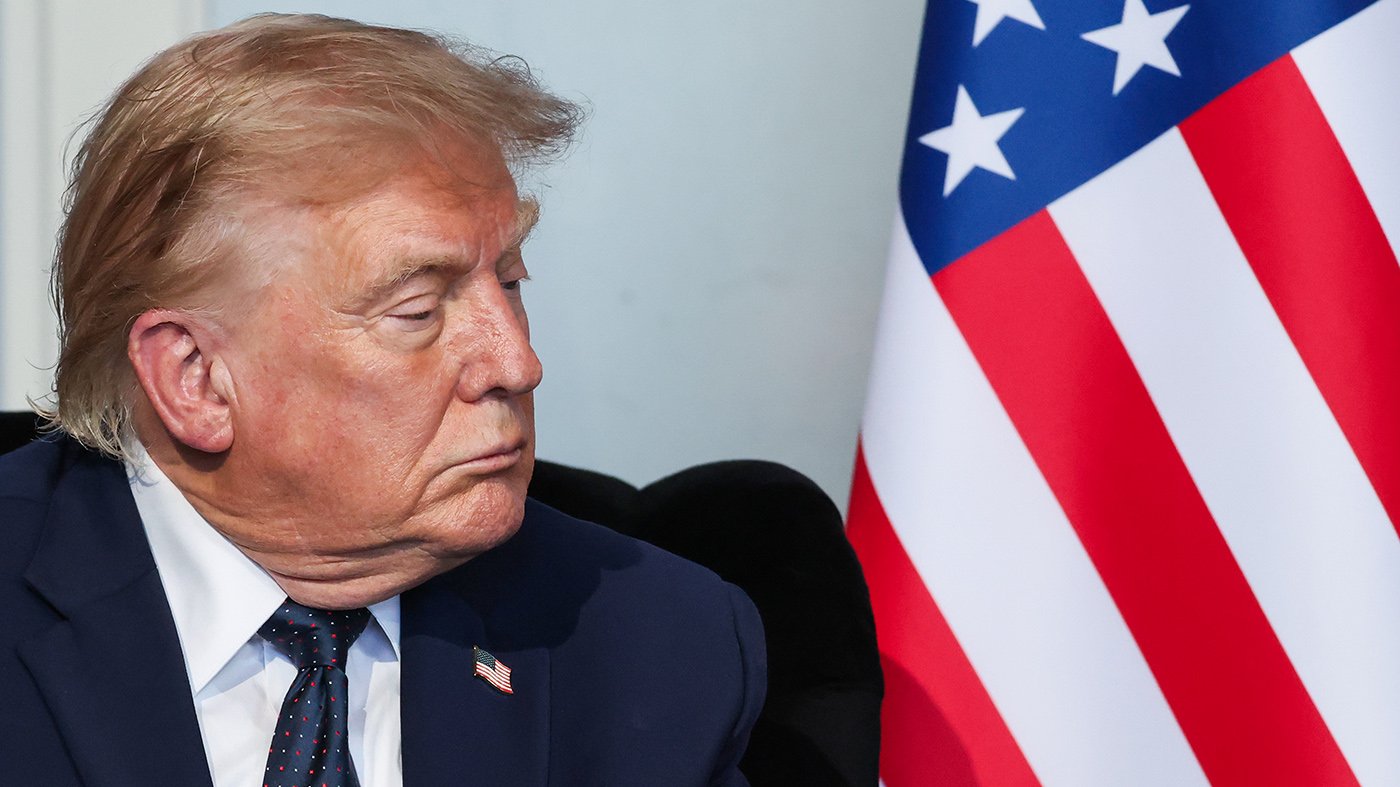
President Donald Trump's approval rating among rural voters has fallen to its lowest level yet, according to a new Reuters/Ipsos survey conducted June 3-8. Just 50% of rural respondents said they approve of the president's performance, down from 60% in a similar poll taken in February 2025.
The survey, which reached 4,531 respondents overall with a margin of error of 2 percentage points, found that disapproval in rural areas has surged from 34% to 48% over the same period. The rural subsample had a margin of error of 3 points.

War and Prices Hit Rural Pocketbooks
The sharp decline in rural support tracks closely with the economic fallout from the U.S.-Israeli military campaign against Iran. After a tentative deal to end hostilities was reached Sunday, gas prices have eased somewhat, but they remain more than $1 above pre-war levels, according to AAA. The spike was driven by Iranian restrictions on shipping through the Strait of Hormuz, which the agreement is expected to reopen.
Food costs are also climbing. The Bureau of Labor Statistics reports that prices rose 0.5% from March to April and another 0.2% from April to May, after a flat February-to-March period. Year-over-year, food prices are up 3.1%.
The tentative Iran deal has drawn scrutiny from lawmakers and allies alike. Senate Minority Leader Chuck Schumer has demanded a full briefing on the terms, and Trump himself has remained noncommittal about attending the signing ceremony. Meanwhile, the president signed a preliminary agreement with Iranian Speaker of Parliament, alongside Vice President JD Vance, at a White House event.
Medicaid Changes Add Pressure
Beyond the war, rural Americans are grappling with the effects of the One Big Beautiful Bill Act, which Trump signed into law last July. The legislation overhauls Medicaid with new work requirements set to take effect January 1, 2027. Under the rules, certain adult beneficiaries must work or perform community service at least 80 hours per month, or enroll in an educational program for at least 40 hours monthly.
The National Rural Health Association warned last July that these mandates "may be difficult to meet in rural areas where jobs are seasonal, informal, or less accessible and residents face unique barriers like lack of broadband or transit." The law did create a $50 billion fund for rural health providers to offset losses from other health provisions, but critics argue it does little to address the underlying access gaps.
The combination of war-driven inflation and policy shifts appears to be eroding the president's once-solid rural base. With the midterm cycle approaching, the 10-point drop in approval signals potential trouble for Republicans in districts that heavily depend on rural turnout.