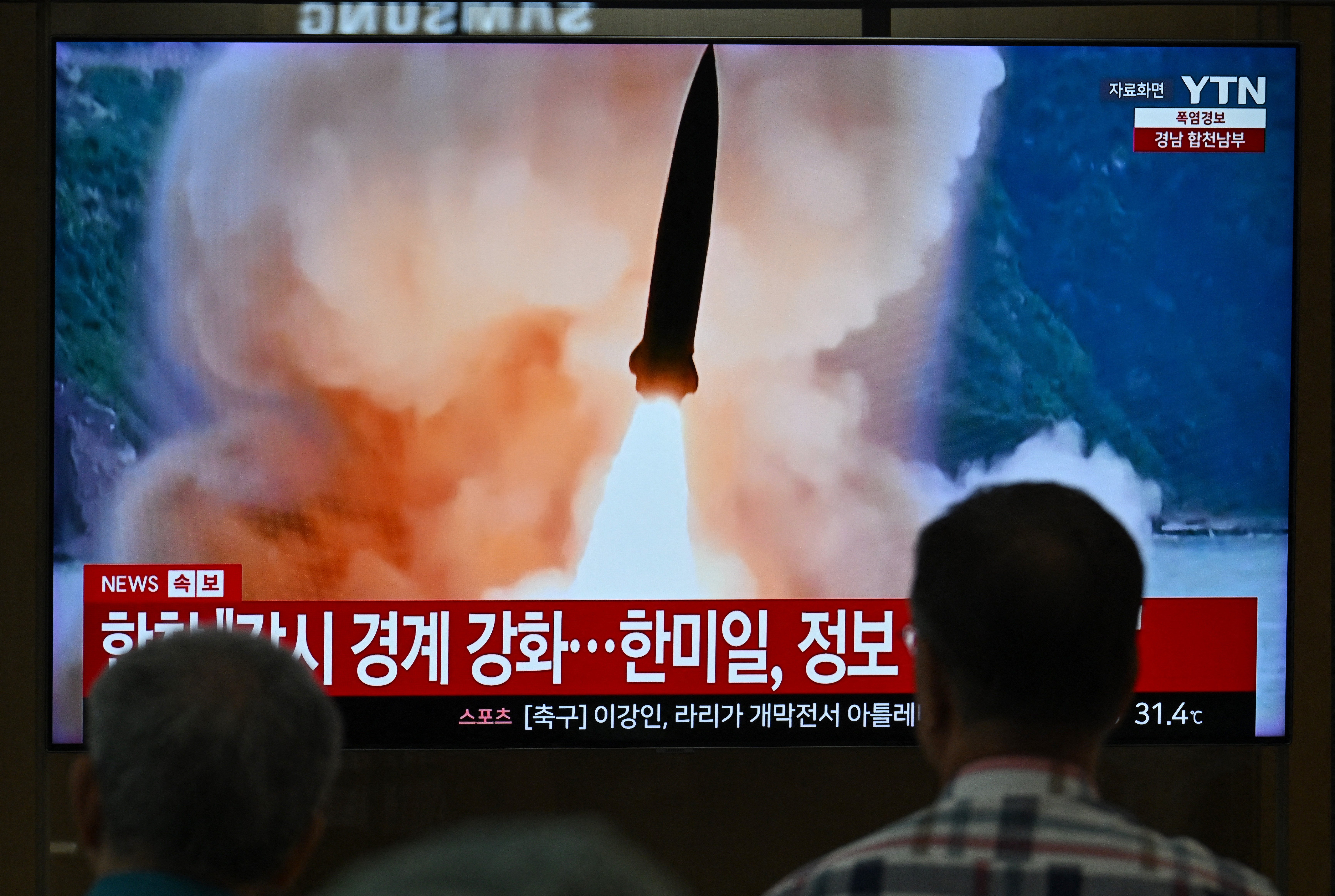
President Trump's recent decision to scale back joint military exercises with South Korea has sent a chill through the Indo-Pacific, particularly in Taiwan, where officials and analysts are questioning the reliability of America's security umbrella. The move, announced last week, marks a significant departure from decades of U.S. policy and has been interpreted as a concession to North Korea's Kim Jong Un, who has long sought to end the drills.
Trump framed the decision as a response to South Korea's perceived lack of support for U.S. operations against Iran, and cited his "very good relationship" with Kim. However, the administration's reasoning has drawn sharp criticism from defense experts and lawmakers who see it as a dangerous precedent. The 1954 Mutual Defense Treaty with South Korea is identical to the one the U.S. signed with Taiwan that same year, raising questions about the durability of Washington's commitments across the region.

Shifting Priorities in the Indo-Pacific
The Trump administration's new approach, articulated by Defense Department policy adviser Elbridge Colby, emphasizes "flexible realism" and a "foreign policy of common sense." In a speech in the Philippines, Colby outlined a strategy that seeks to downplay friction with China while demanding greater contributions from U.S. allies. Notably, his remarks made no mention of Taiwan, a striking omission given the island's central role in U.S.-China tensions.
Colby, who previously argued that resources should be shifted from Ukraine to bolster Taiwan's defenses, has softened his stance since joining the administration. At his confirmation hearing, he described Taiwan as an important U.S. interest but "not an existential one." His recent comments suggest a shift toward accommodation with Beijing, a move that has alarmed Taiwanese officials and pro-Taiwan advocates in Washington.
Congressional Mandates at Risk
The administration's stance threatens to undermine the Taiwan Relations Act of 1979 and other congressional measures designed to protect the island. These legislative commitments, which have been a cornerstone of U.S. policy for decades, may now be treated as "legacy commitments" unsuitable for today's geopolitical realities, according to Colby. Critics argue that this approach cedes ground to China's expansionist claims over Taiwan and other disputed territories, such as Scarborough Shoal in the Philippines.
Trump's willingness to accommodate Chinese President Xi Jinping is particularly concerning given Xi's record of misleading the U.S. on issues like the COVID-19 pandemic, trade agreements, and support for Russia's invasion of Ukraine. Despite these grievances, Trump has appeared eager to avoid confrontation ahead of his upcoming meeting with Xi in Washington.
Overstretch and Strategic Blunders
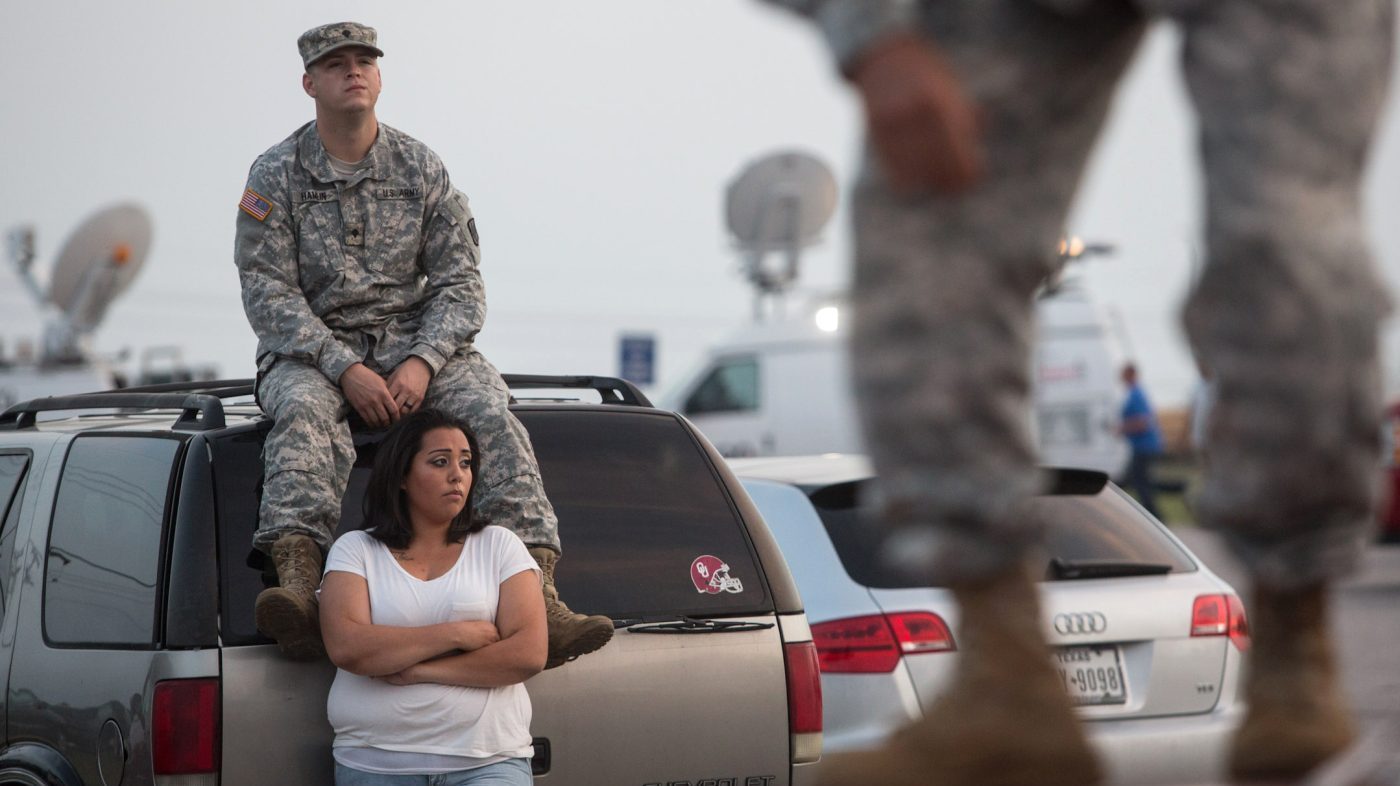
The administration's retreat in the Indo-Pacific comes amid growing signs of U.S. overstretch, with ongoing conflicts in Iran and Ukraine straining military resources. The decision to curtail exercises with South Korea, which have been conducted for decades under the 1954 treaty, has been seen as a major concession to Pyongyang—one that 14 previous administrations, both Democratic and Republican, refused to make.
Colby, however, defended the new approach, emphasizing that the U.S. remains committed to the region but expects allies to shoulder more of the burden. "This means a strong and growing U.S. investment in the region," he said, "but it is also coupled with a newfound but common sense expectation of much greater effort and contribution by our allies and partners."
Yet, the omission of Taiwan from Colby's list of U.S. counterparts—which included Manila, Bangkok, Jakarta, Singapore, Hanoi, and Kuala Lumpur—has not gone unnoticed. It signals a potential shift in U.S. priorities that could leave Taiwan increasingly isolated in the face of Chinese pressure.
As the Trump administration recalibrates its Indo-Pacific strategy, the fate of Taiwan hangs in the balance. The island's leaders and its supporters in Washington are watching closely, hoping that the U.S. will not abandon a commitment that has been a pillar of regional stability for over seven decades. The coming months, particularly the Trump-Xi summit, will be critical in determining whether Taiwan can count on American support or whether it must brace for a new era of uncertainty.