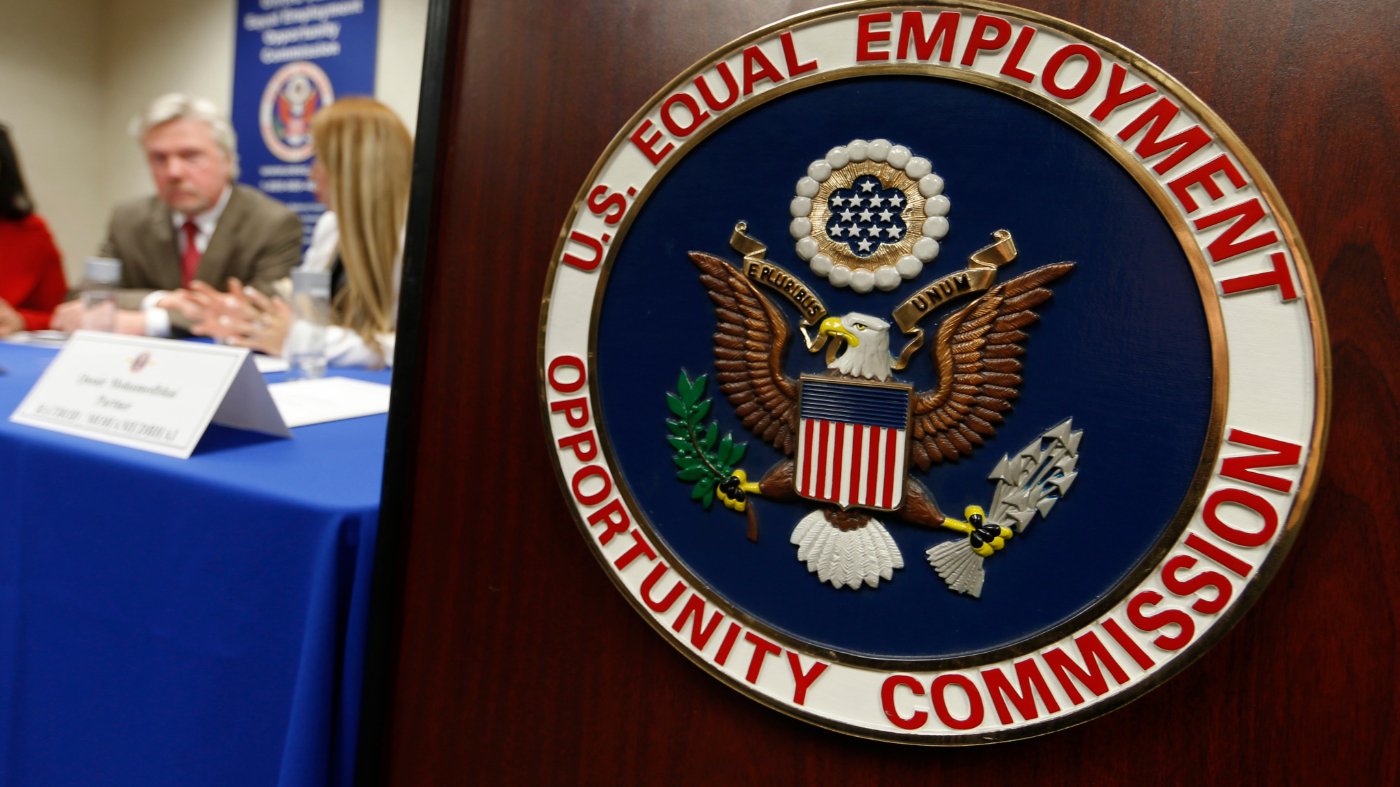
The Trump administration has taken its anti-diversity campaign to a new level, with the Equal Employment Opportunity Commission (EEOC) voting to stop collecting demographic data from large employers. The July 21 decision ends a practice in place since 1966, when the agency first required companies with at least 100 workers to report the race, sex, and job category of their employees.
The move is the latest in a series of actions by President Trump and his appointees to reframe civil rights enforcement. During his 2024 campaign, Trump repeatedly claimed there was a “definite anti-white feeling” in the country and promised to dismantle diversity, equity, and inclusion (DEI) programs, alleging they discriminated against white men. Since taking office, he has signed executive orders declaring DEI initiatives “illegal and immoral,” leading many companies to scale back their programs.

EEOC Chair Andrea Lucas, a Trump appointee, has actively solicited complaints from white men. In a December video on X, she asked: “Are you a white male who has experienced discrimination at work based on your race or sex? You may have a claim to recover money under federal civil rights laws. Contact the EEOC as soon as possible.” The agency typically receives more than 88,000 workplace discrimination complaints annually and uses the demographic data to prioritize investigations.
The decision to stop collecting the data was backed by the commission’s two Republican members, with the lone Democrat opposing it. Critics argue the change will not eliminate discrimination but simply obscure it. “It will just cover it up,” said Donna Brazile, a former Democratic National Committee chair and ABC News contributor, in a recent column. Brazile compared the move to Trump’s claim during the COVID-19 pandemic that fewer tests would mean fewer cases.
Data from the 2023 report, which has not been released by the Trump administration, showed that white men made up one-third of the U.S. workforce but held 53 percent of high-level jobs, according to NPR. Black and Hispanic employees of both sexes were underrepresented in those roles, while Asian men and white and Asian women were proportionately represented.
The administration’s broader anti-DEI push has also reduced enforcement of laws designed to protect women and minorities. Trump has argued his policies ensure jobs and college admissions are based on merit, not race or gender. But critics say the assumption that white men inherently have more merit is itself racist and sexist. During the 2024 campaign, Trump claimed unauthorized immigrants were “taking Black jobs,” a comment that reinforced stereotypes about Black workers.
Brazile, who grew up in segregated Louisiana, wrote: “America is a much better and more just place today than it was when I was growing up. But we will not end the evils of racism and sexism by pretending they primarily victimize white men today.” The EEOC’s decision, she added, is a step backward in the fight for workplace equality.
The commission’s move has drawn sharp reactions. Some Republicans argue the data collection was an unnecessary burden on businesses, while Democrats and civil rights groups say it is essential for identifying systemic discrimination. With the 2024 data already collected but unreleased, the full impact of the policy change may take years to assess.
For now, the Trump administration’s focus on white male grievance represents a stark shift from the original purpose of civil rights laws, which were enacted in the 1960s to protect Black Americans and women from centuries of discrimination. As Brazile noted, the administration is using those very laws to do the opposite.