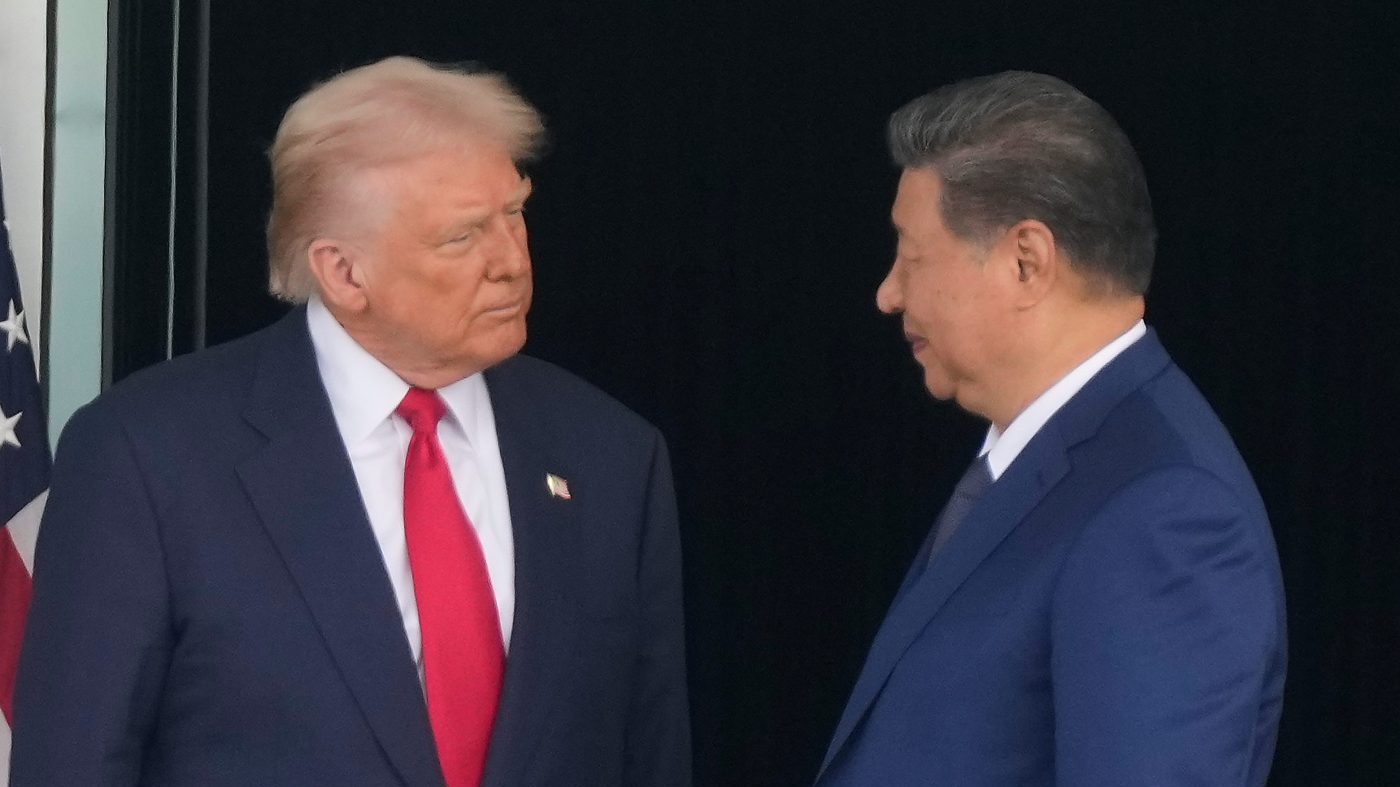
President Trump is traveling to Beijing this week for his first state visit to China since 2017, meeting with Chinese President Xi Jinping amid a packed agenda that spans the Iran conflict, trade tensions, Taiwan’s status, detained prisoners, and the race for artificial intelligence dominance. The trip, originally slated for March but postponed due to the Iran war, comes after the two leaders last met in October in South Korea.
The visit is widely seen as a pivotal moment for U.S.-China relations, with both sides seeking to manage a fraught bilateral dynamic. Here are five key issues to watch.
Iran: Seeking Beijing’s Leverage
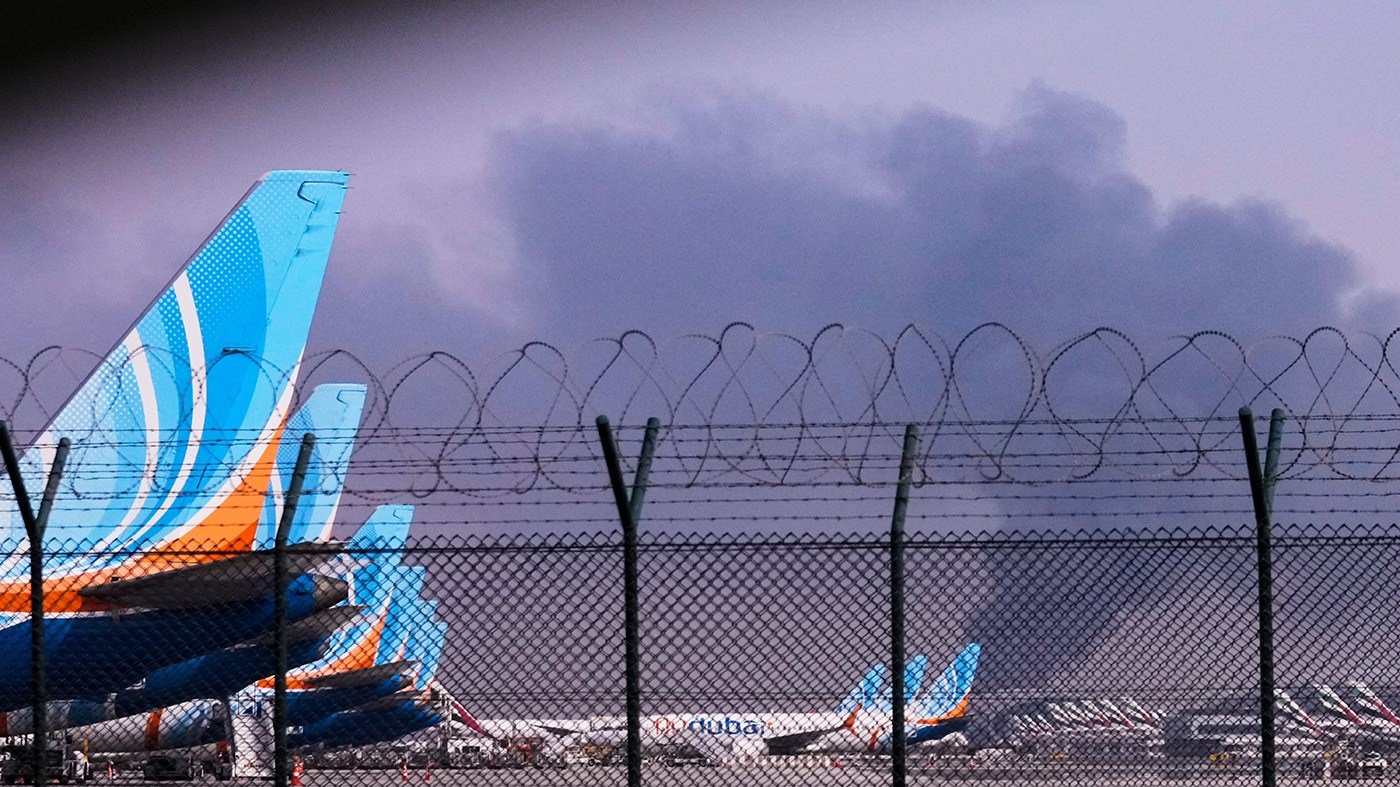
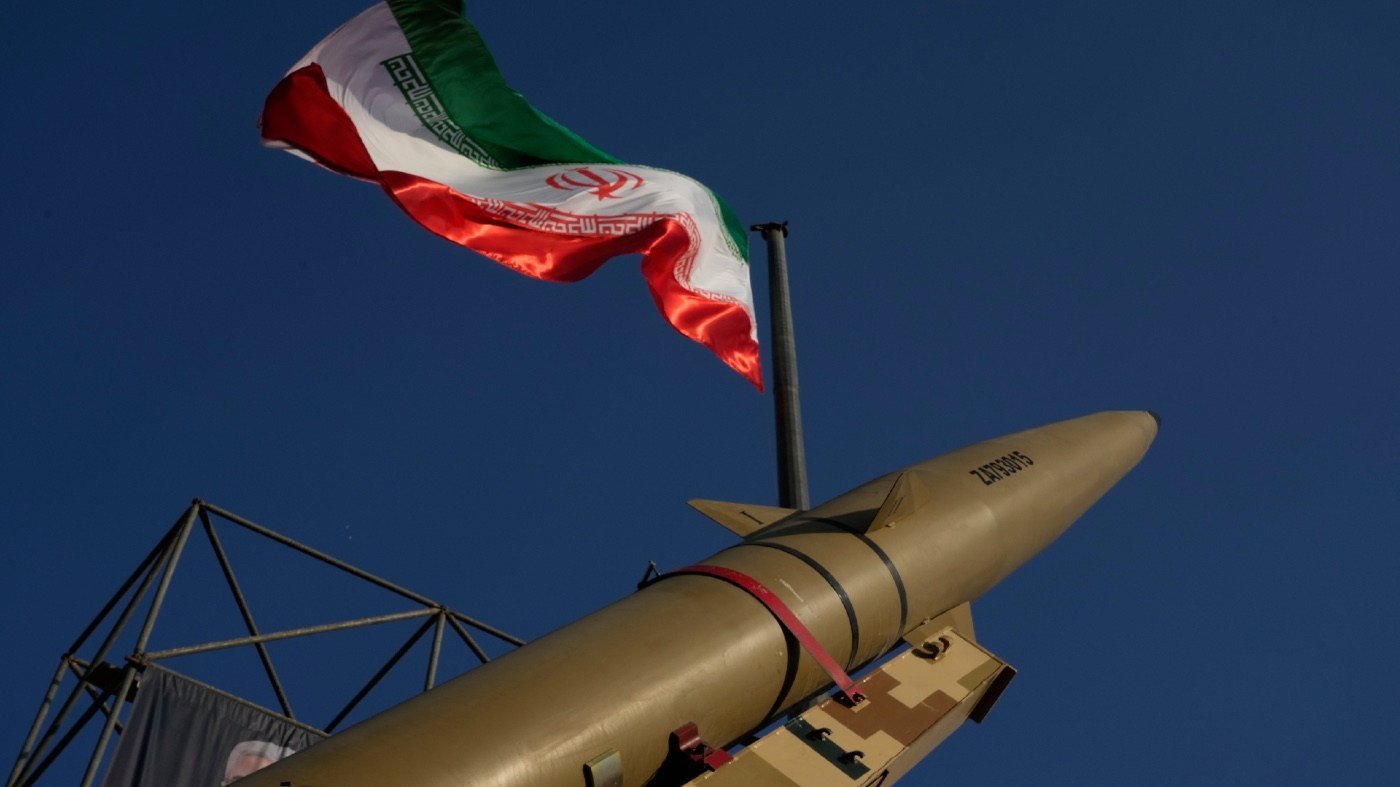
Trump is pressing China to use its close ties with Tehran to de-escalate the Iran war, particularly regarding the Strait of Hormuz. Secretary of State Marco Rubio told reporters last week that he hoped Beijing would urge Iran to ease its stance. “I hope the Chinese tell him what he needs to be told,” Rubio said, referring to Iranian Foreign Minister Abbas Araghchi. “That is that what you are doing in the strait is causing you to be globally isolated. You’re the bad guy in this.”
China, the largest buyer of Iranian oil, has been hit harder by the strait’s closure than the U.S., which has its own reserves. Trump also said Iran told him only the U.S. and China could retrieve its uranium, though Tehran later reneged on that agreement. A discussion on whether China can persuade Iran to allow removal of the material is possible. Relatedly, Trump has faced criticism for his handling of the nuclear talks, with some questioning his focus on domestic finances.
Trade: Truce Extension in Play
Tariffs are a central agenda item, following last year’s trade war that saw retaliatory rates hit 145% on Chinese goods. Trump maintains he has a “great relationship” with Xi, and the two are expected to discuss creating a “Board of Trade” and “Board of Investments” to keep economic channels open. A one-year trade truce reached in October included tariff reductions, Chinese purchases of U.S. soybeans, and a suspension of export controls on rare earths. An extension of that truce could be announced. However, Trump’s economic approval has plummeted amid recession fears, adding pressure for a deal.
Taiwan: Bipartisan Pressure on Trump
Trump faces bipartisan calls to reaffirm U.S. support for Taiwan. Eight Republican and Democratic senators urged him to declare Washington’s backing “inviolable” and move forward with a $14 billion arms sale. Trump told reporters Xi “would like us not to” proceed, adding, “He’ll bring up Taiwan, I think more than I will.” Xi is expected to use trade talks as leverage on the issue. Taiwan’s Foreign Minister Lin Chia-lung said the island is “not overly worried” but wants no surprises.
Prisoners: Calls for Release
Human rights advocates are pressing Trump to confront Xi over detained prisoners, including former Hong Kong media mogul Jimmy Lai, sentenced to 20 years in February, and Christian pastor Ezra Jin, arrested in October. Lawmakers from both parties have advocated for their release. Trump told reporters he would raise Jin’s case with Xi and invoked both cases in the Oval Office on Monday.
Artificial Intelligence: The Next Frontier
The AI race will loom large over the meeting. Trump argues the U.S. leads China in AI, but questions remain about advanced semiconductor chips, on which the U.S. has imposed export restrictions. U.S. officials view the trip as an opportunity to explore cooperation and competition in this critical sector.