President Trump has unveiled a short-term measure to suspend tariffs on certain imported beef, a move he says will ease costs for consumers grappling with high grocery prices. The plan, which takes effect immediately, allows up to 300,000 metric tons of beef trimmings—the parts used in ground beef—to enter the U.S. duty-free for 90 days, with the imported product to be sold at 25% below market rates, according to the presidential proclamation.
The announcement lands as affordability remains a top voter concern ahead of the midterm elections. However, cattle ranchers are pushing back, arguing the policy undercuts American producers. The White House counters that the temporary relief will help families at the checkout line.
Scope and Limits
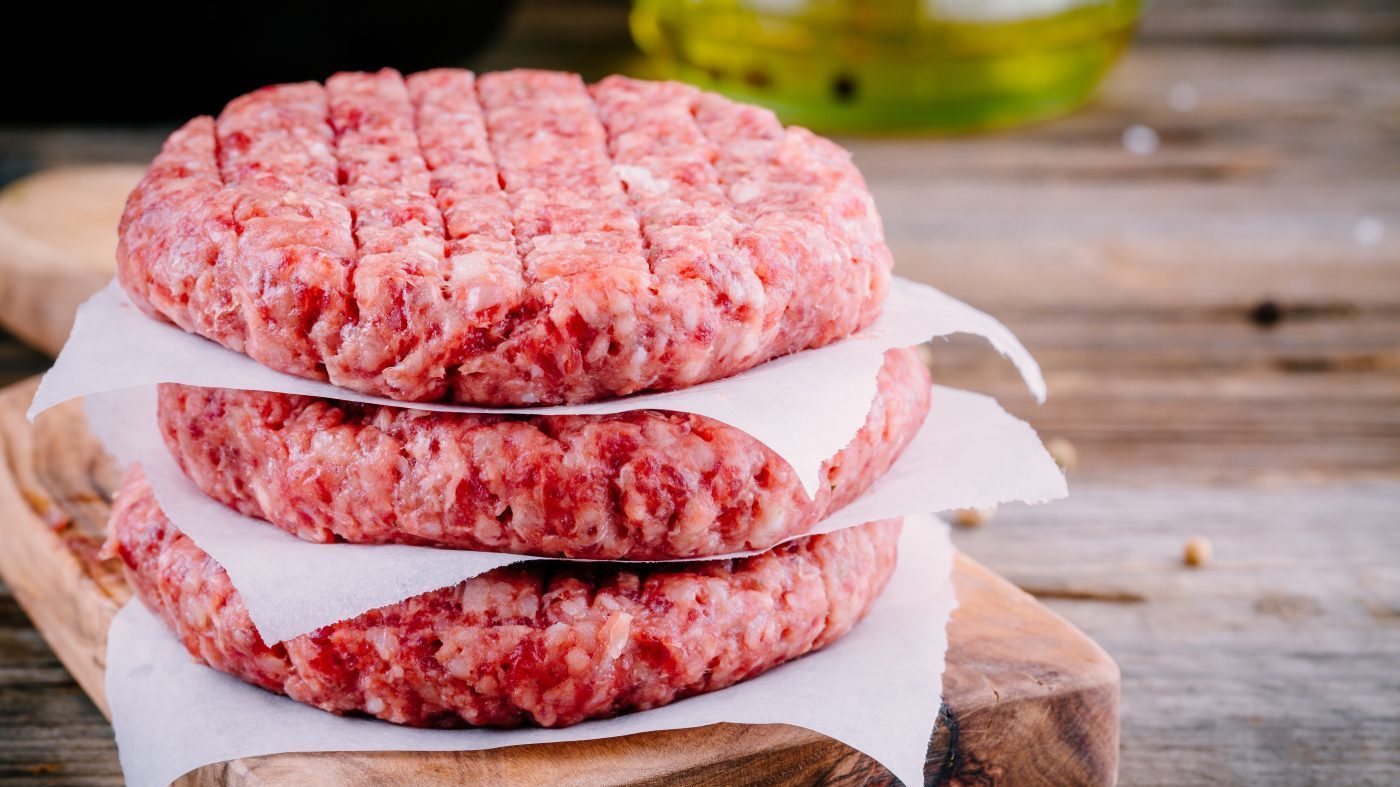
The tariff suspension is narrowly tailored. It applies only to beef trimmings, which are mixed with other cuts to produce ground beef. Steaks and other premium cuts are excluded, meaning any savings for shoppers will be confined to ground beef. Even within that category, the impact may be muted: 300,000 metric tons represents just a 2% increase in total beef supply, industry experts note.
Moreover, it's unclear whether the beef covered under the plan will be shipped in addition to existing imports or if it simply benefits from tariff relief while being destined for U.S. markets anyway. If the latter, the move may have little effect on overall supply.
Questioning the 25% Figure
Experts have also cast doubt on the administration's claim of a 25% price drop. Food & Wine reported that Trump may be conflating the tariff rate with expected consumer savings. In reality, imported beef trimmings are just one small input in ground beef production, and any cost reduction is unlikely to translate directly to shelf prices.
“Consumers are not gonna see that. They're gonna see pennies, maybe, because it's all gonna be captured by those big foreign packers and then the distributors and the retailers,” Casey Parker, a rancher, told NewsNation.
Additionally, imported beef is typically frozen, whereas many grocery stores rely on fresh beef for their ground meat. As a result, most of the tariff-relieved imports are expected to flow into food service channels, particularly fast-food chains, rather than supermarket meat cases.
Temporary Relief, Political Timing
Even if the imports do shave a few cents off ground beef prices, the relief will be fleeting. The tariff suspension expires at the end of November, just weeks after the midterm elections. That timing has fueled speculation that the move is as much about political optics as economic policy.
The plan also comes amid broader trade tensions, with Trump's administration having imposed tariffs on a range of imports. This temporary carve-out for beef trimmings could be seen as an attempt to address voter frustration over food costs without committing to long-term policy changes.
For consumers, the practical effect may be negligible. For ranchers, the policy is a direct challenge to their livelihoods. And for political observers, it's another example of Trump using executive action to shape the economic narrative before voters head to the polls.
As the midterms approach, the question remains whether this modest, time-limited measure will resonate with voters or be dismissed as a drop in the bucket. With beef prices still elevated and the broader economy under strain, the administration's ability to deliver tangible relief is under scrutiny. As noted in recent analyses of Trump's political war chest, the president is betting that his economic record will carry weight with voters, but this latest move may be too little, too late to move the needle on grocery bills.