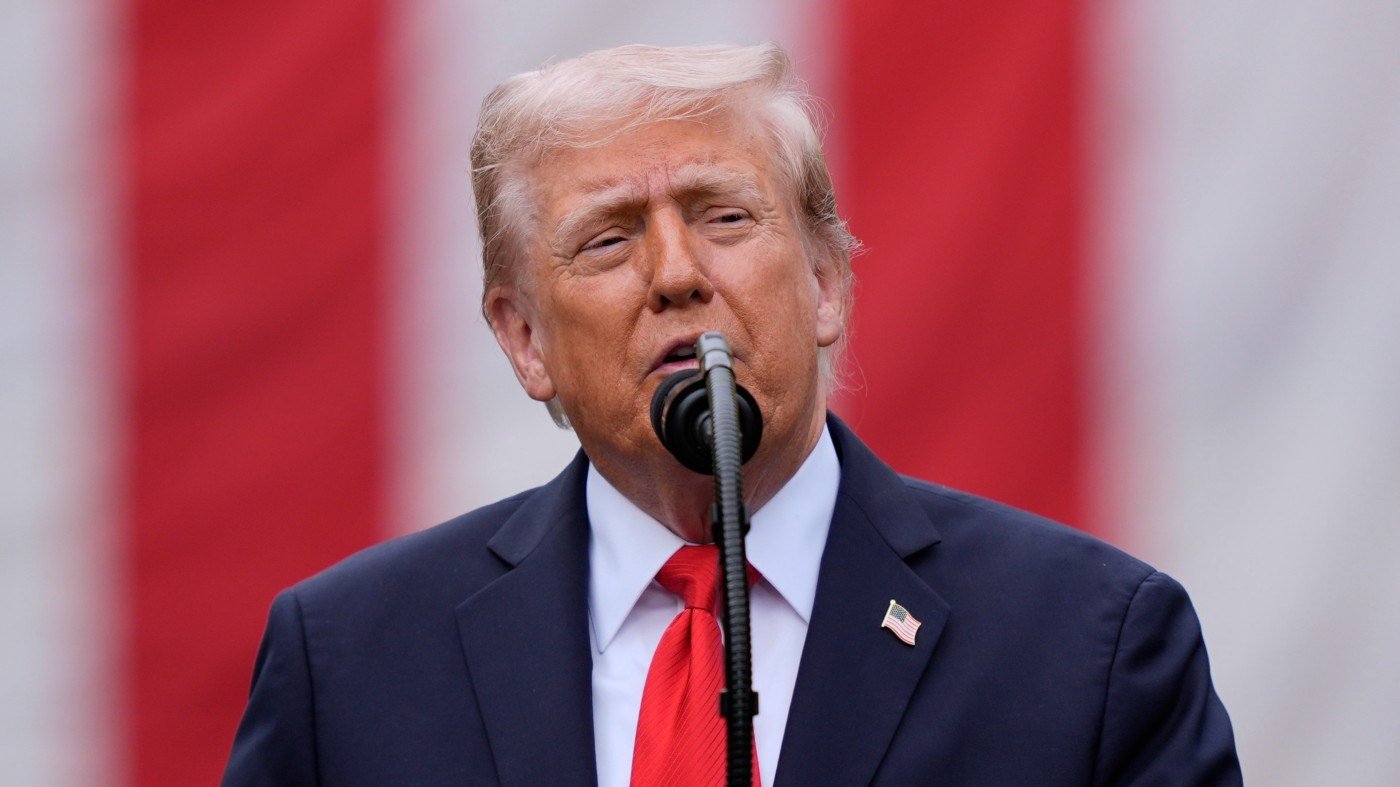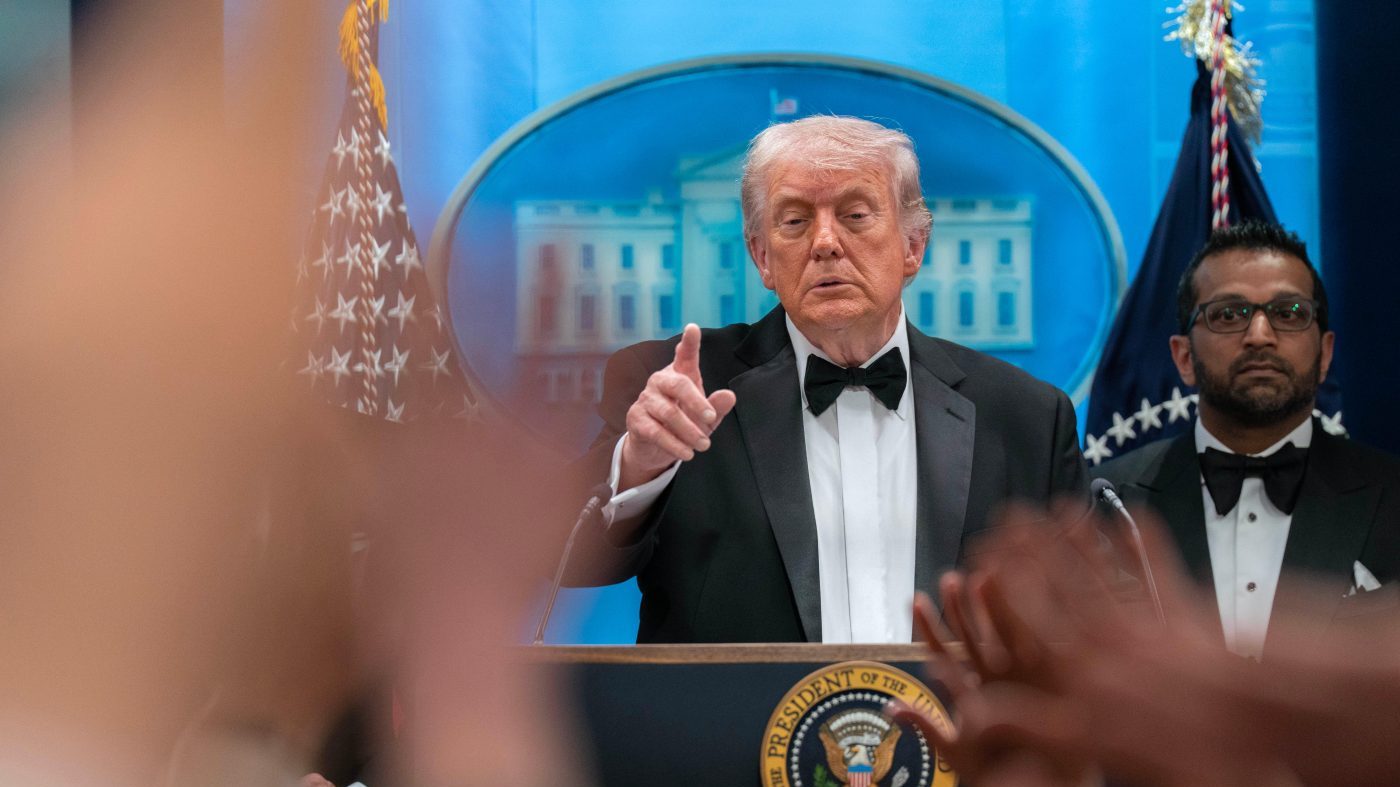
President Donald Trump is set to take the stage Friday night at the rescheduled White House Correspondents' Association dinner, a high-stakes return to the annual roast three months after a gunman targeted him and his administration during the original event. The dinner, now held at the Waldorf Astoria in Washington, comes after the April incident forced an abrupt cancellation and heightened security concerns across the capital.
White House press secretary Karoline Leavitt described the president's upcoming remarks as “unifying but vicious”—a characteristic blend of outreach and sharp-edged critique that has defined Trump's public engagements. The speech, slated for 8:55 p.m. EDT, will cap an evening that begins at 8 p.m. and includes honors for journalism award winners and a Secret Service agent credited with thwarting the assassination attempt.
The WHCA and Secret Service have implemented a “robust” safety plan for the make-up dinner, reflecting the elevated threat environment. The association will also recognize the agent who played a pivotal role in stopping the gunman in April, a move underscoring the event's somber undertones amid the usual political ribbing.
A slate of top administration officials is expected to attend, including Defense Secretary Pete Hegseth, FBI Director Kash Patel, and Homeland Security Secretary Markwayne Mullin. Their presence signals the administration's full embrace of the evening, even as the shadow of the attempted attack lingers.
The dinner marks a rare moment of direct interaction between Trump and the press corps he has frequently derided. In his previous WHCA appearances, the president has alternated between humor and hostility, and this year's address is likely to follow suit—though Leavitt's characterization suggests a deliberate effort to strike a balance between unity and aggression.
For context, Trump has recently roasted the press and his rivals in a lukewarm WHCA speech, but the stakes are higher this time given the security backdrop. The president's team has also been navigating a series of contentious policy battles, including a redefinition of the Canada trade conflict through an obscure 1930 tariff law, which has drawn sharp criticism from allies and adversaries alike.
As the evening unfolds, all eyes will be on whether Trump can deliver on his promise of a unifying message—or if the “vicious” edge will dominate. The live video feed, available above, offers viewers a front-row seat to what promises to be a defining moment in the fraught relationship between the White House and the media.