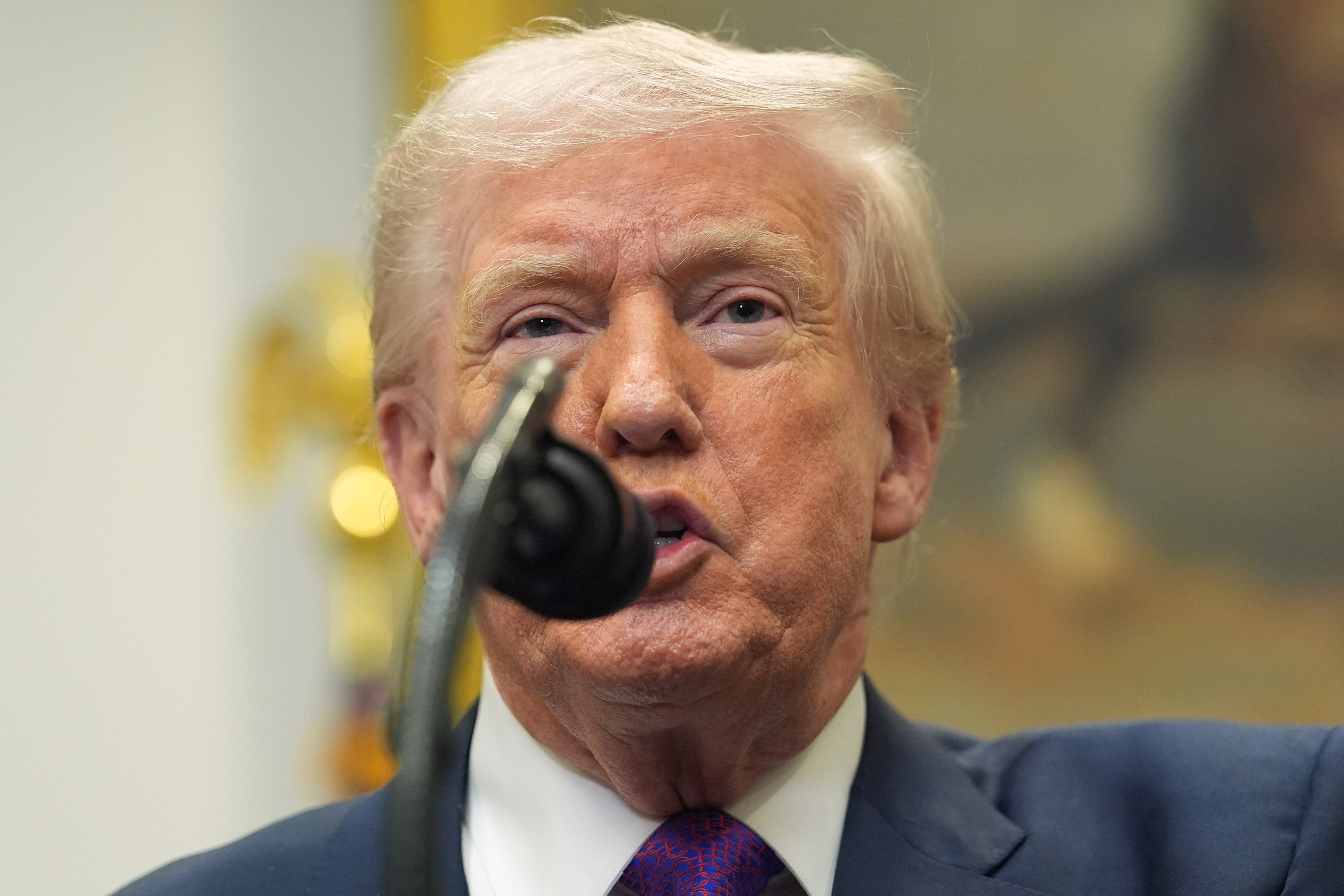
President Donald Trump on Sunday called for a formal review of an updated manual for federal judges, alleging that left-wing activists improperly influenced its content. The demand comes after a controversial chapter on climate science was removed from the new edition following sustained pressure from Republican-led states and conservative groups.
In a post on Truth Social, Trump declared the manuals “totally DISCREDITED” and insisted that federal judges deserve “Facts and Science, not Political Fraud and False Science on Climate.” He wrote, “With this TRUTH, I hereby order Federal Suspension and Debarment Officials to review this conduct. Our Taxpayers should not be funding Climate Fraud, and Judges should never have relied upon it.”
Background on the Manual Controversy
The Reference Manual on Scientific Evidence, used by federal judges to navigate complex scientific issues in court cases, was updated earlier this year. The new edition included a chapter on climate science that conservatives argued was slanted toward left-leaning policy positions and should not be treated as a neutral resource. The chapter was subsequently pulled after GOP-led states and advocacy groups pushed back.
The manual has been cited in opinions by lower courts and even Supreme Court justices, giving it significant weight in the judicial process. Republicans maintained that the climate chapter undermined the manual’s credibility by injecting political bias into what should be an objective reference tool.
Trump Escalates Rhetoric
Trump did not hold back in his criticism, labeling the manual “fraudulent, biased, and misleading” as well as “bogus.” His remarks amplify a broader Republican effort to challenge what they see as ideological overreach in federal institutions. This is not the first time Trump has targeted the judiciary; his administration has frequently clashed with judges over policy decisions, and he has previously called for reviews of judicial conduct.
The president’s call for a review also touches on his ongoing focus on climate policy. In a related development, Trump has avoided penalties on China despite election interference claims, a stance that aligns with his skepticism of climate-related regulations.
Kagan Under Scrutiny
The controversy reached Capitol Hill last week when Sen. Susan Collins (R-Maine) questioned Supreme Court Justice Elena Kagan about the manual during a public hearing on court security. Kagan, who wrote the foreword to the updated manual and referenced the climate science update, admitted she had not read the chapter. She told Collins that the judge overseeing the project at the Federal Judicial Center is working to address concerns and prevent similar issues in the future.
“I know that she is engaged with members of Congress about her decision, about where to go, what to do next, about how to make sure that the processes that the Federal Judicial Center uses are good ones and that a situation like this does not come up again,” Kagan said.
Political Implications
The episode highlights the deepening partisan divide over climate science and judicial independence. As GOP infighting over a potential government shutdown intensifies, Trump’s focus on the manual may serve to rally his base around claims of institutional bias. Critics, however, argue that the removal of the climate chapter itself reflects political interference in the judiciary’s fact-finding processes.
The Federal Judicial Center has not commented on Trump’s review order. It remains unclear what specific actions the suspension and debarment officials will take, but the president’s directive signals a continued effort to reshape federal institutions in his image.