Senate conservatives aligned with President Trump are pressing to attach his top legislative priority, the Safeguard American Voter Eligibility (SAVE America) Act, to a stopgap government funding bill due by September 30. The move faces stiff resistance from fellow Republicans who fear it could trigger a shutdown.
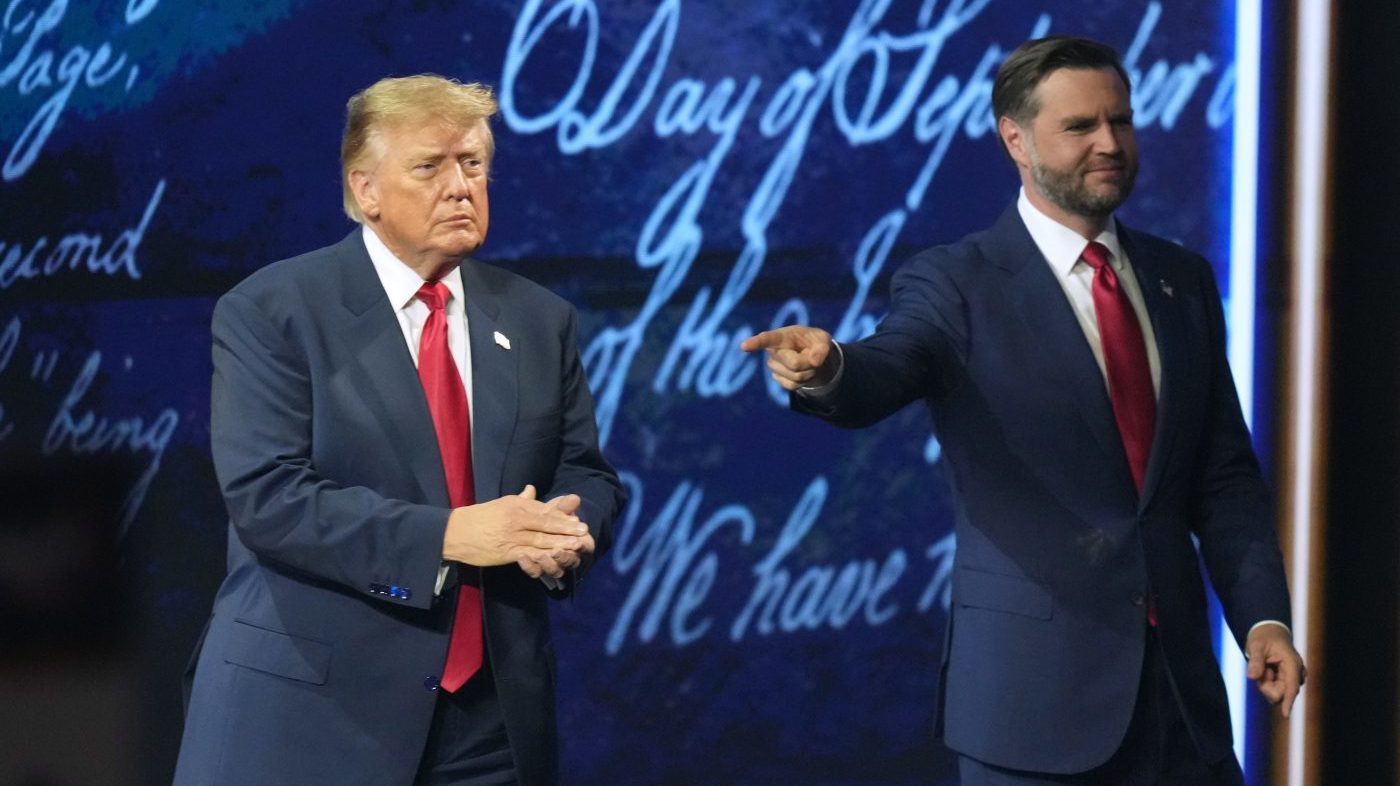
Trump escalated the pressure during a primetime address, claiming 278,000 noncitizens are registered to vote in federal elections—a figure Democrats and election security experts have disputed. He urged lawmakers to pass the bill without delay, framing it as a critical election integrity measure.

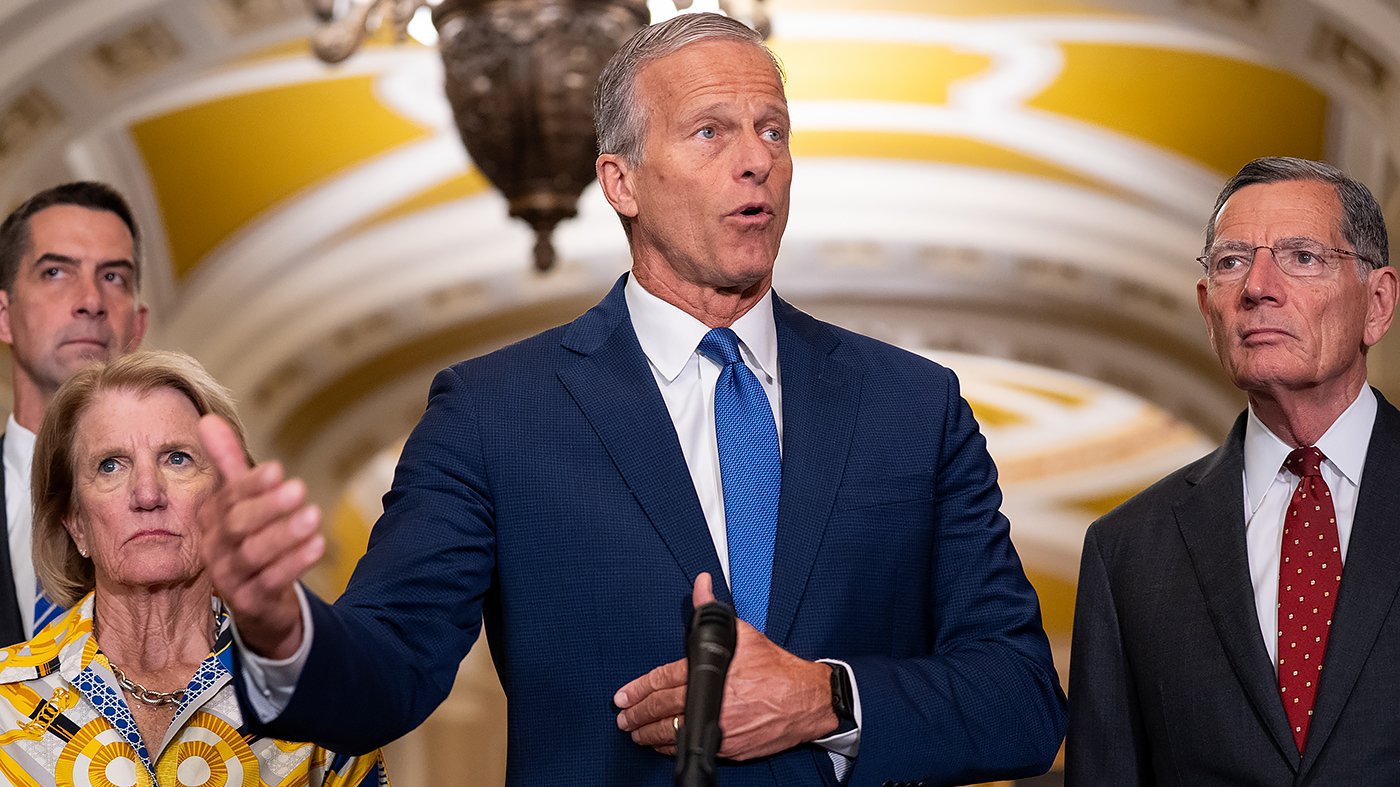
Incoming Senate Budget Committee Chair Ron Johnson (R-Wis.) voiced support for using a continuing resolution as a vehicle. “However we could pass it I’d be in favor of,” Johnson told The Hill, adding he backs ending the filibuster to push it through. “That’s why I’m for ending the filibuster,” he said.
Republicans have also explored budget reconciliation to bypass the 60-vote threshold, but a GOP senator speaking anonymously said the CR is gaining traction despite shutdown risks. “It’s a path that people are trying to find to take, but I don’t know what makes that happen,” the lawmaker said.
Brian Darling, a Republican strategist and former Senate aide, argued the House could dare Democrats to oppose a funding bill with popular election integrity provisions. “Putting it on a CR would put Democrats in a tough spot,” Darling said, citing polls showing broad support for voter ID requirements.
The strategy could also force Senate Republicans to confront the filibuster debate. Majority Leader John Thune (R-S.D.) has repeatedly said there aren’t enough votes to abolish it, but Trump is urging the party to go nuclear. Earlier this year, Trump allies considered attaching the SAVE Act to a FISA extension bill, but that effort stalled.
Not all Republicans are on board. Sen. Thom Tillis (R-N.C.) called the push “a waste of time,” warning there is no way to implement the law before the November election. “Even if it was passed, it couldn’t possibly be implemented,” Tillis said. “We would be responsible for one of the most confusing, dangerous decisions coming out of this body just ahead of an election.” He noted that 10,000 state and local entities would need to adapt.
Sen. Jerry Moran (R-Kan.) echoed those concerns, urging colleagues to focus on passing regular appropriations bills and a “clean” CR. “September is not that far away now, and I hope that we can do what we traditionally call a clean CR,” Moran said.
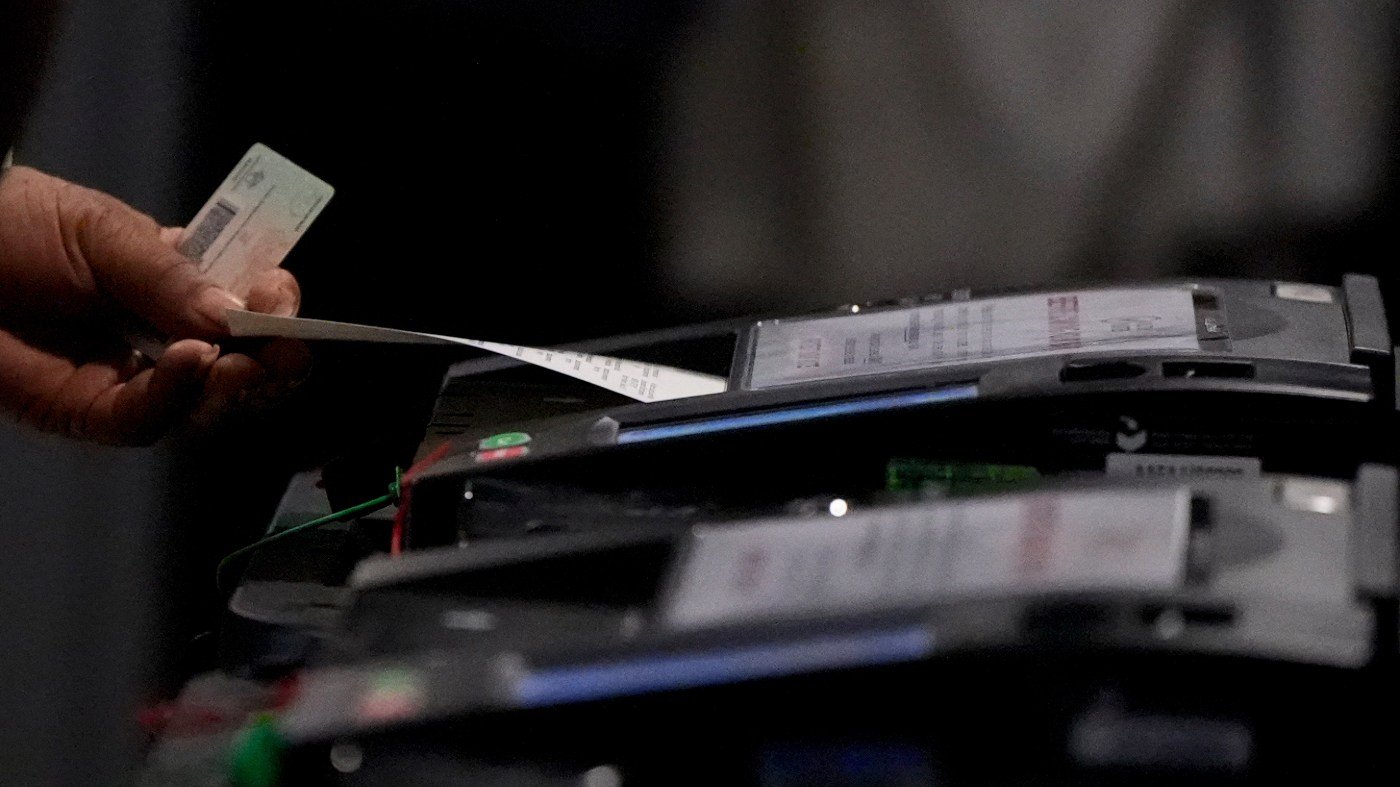
Other Republicans see an opportunity to force vulnerable Democrats, such as Sen. Jon Ossoff (D-Ga.), to take tough votes on popular reforms. A Harvard CAPS/Harris poll from March found 81% of Americans support voter ID, including 70% of Democrats. The same survey showed 71% back the SAVE America Act overall.
Trump is leaning into the issue amid sagging approval ratings—hovering around 40%—and widespread economic pessimism. In his Thursday address, he called on Americans to “pick up your phone tomorrow, call your representatives in the House and Senate and demand that they pass the SAVE America Act without delay.”
The battle underscores deepening GOP divisions as the September funding deadline looms, with Trump’s base demanding action and moderates wary of political fallout. For more on the political dynamics, see how Trump nominees are navigating Senate confirmation battles and Sen. Mark Warner's critique of Trump's election security claims.