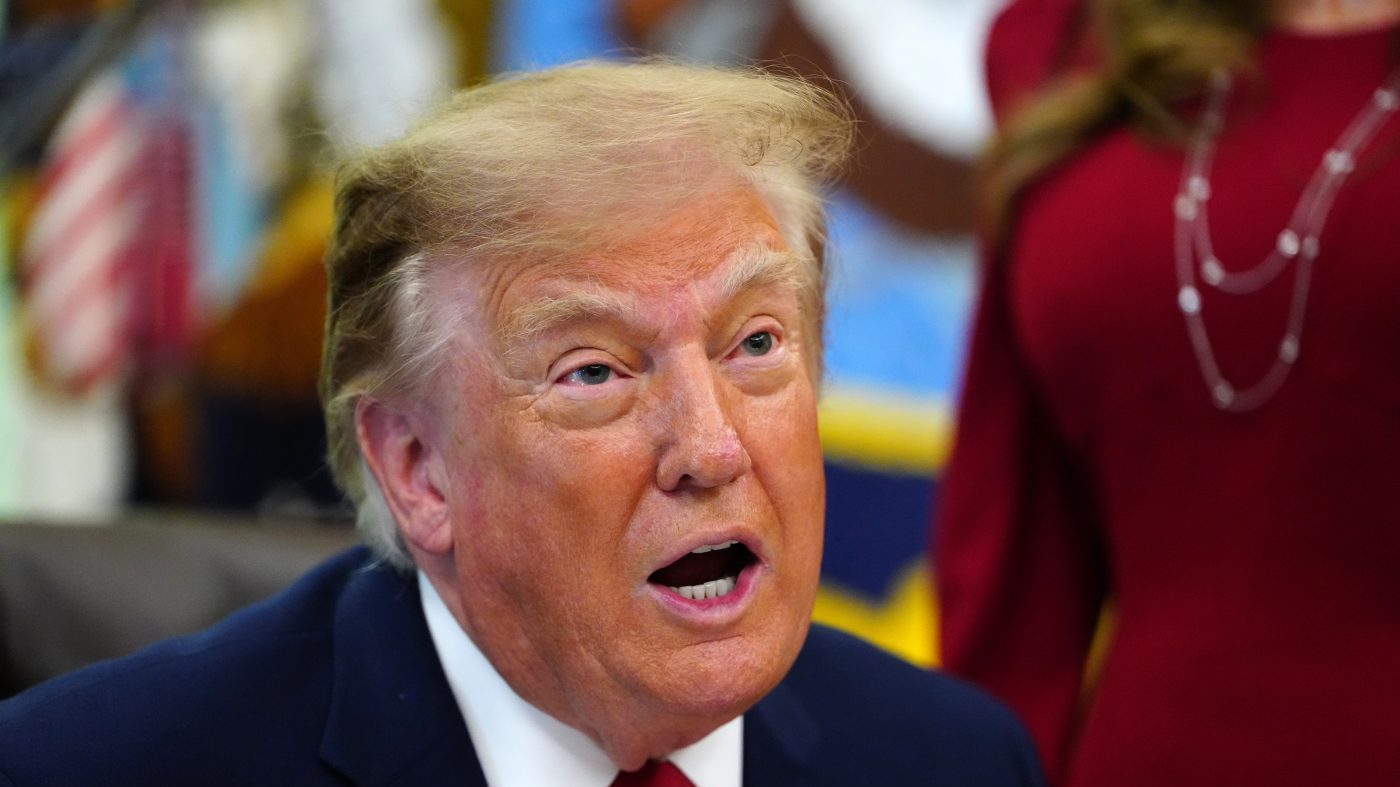
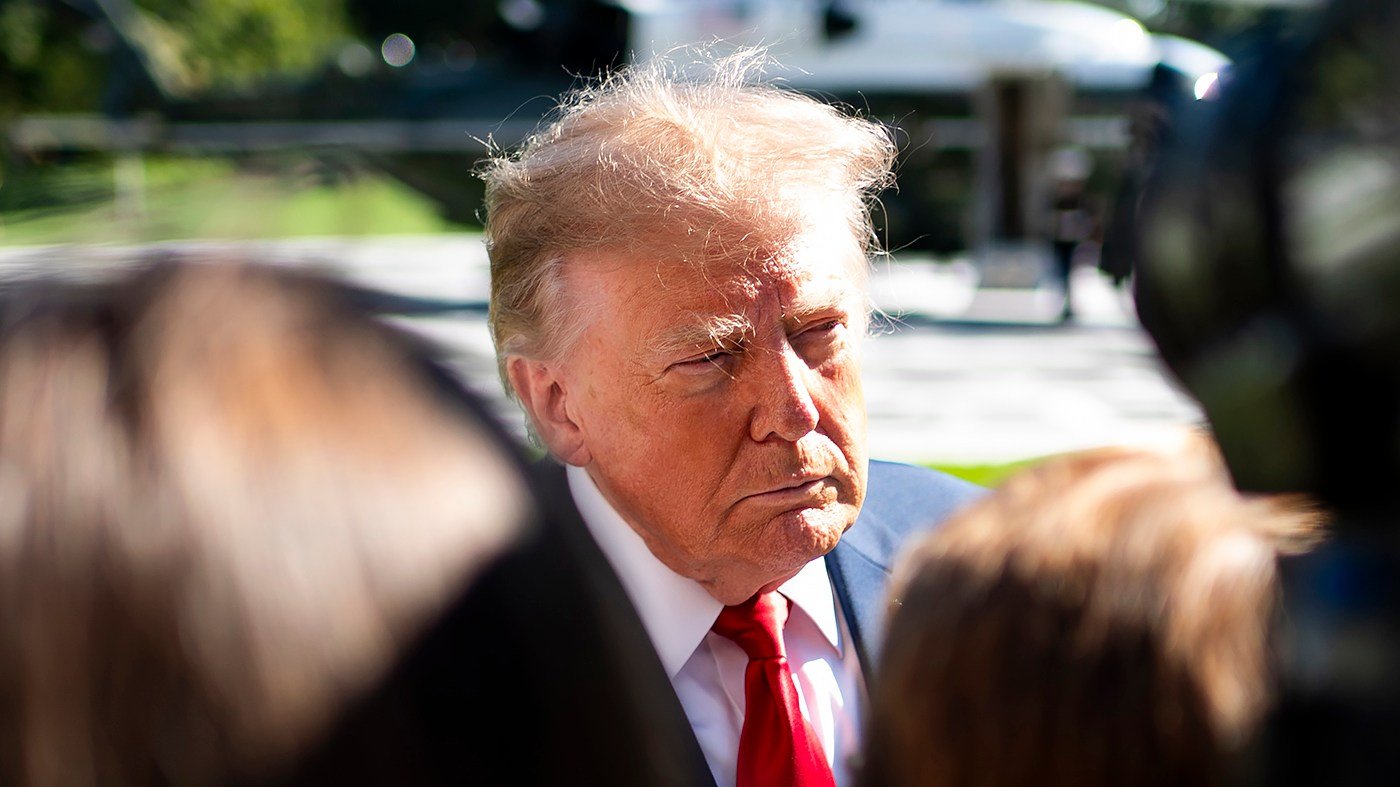
President Trump on Wednesday downplayed concerns that the suspected plague cases in Russia could be the result of a bioweapon, saying the U.S. does not believe that to be the case. Speaking in the Oval Office, Trump said, “We don’t think so,” and added that Russian officials have assured the U.S. they have the situation “under control.”
Trump also indicated that Russia has been sharing some information with American officials but said he expects more transparency. “They’re sharing it a little bit with our people. I expect them to share it a lot with our people,” he said.
The comments come after the death of a 28-year-old lab worker at an anti-plague research facility in Siberia, which has raised questions about a possible pneumonic plague outbreak. According to a source familiar with the matter, the U.S. has sent a formal diplomatic complaint to the Russian government demanding more details about the incident.
A State Department official confirmed to NewsNation, “We have officially requested additional information from the Russian government. We are also in official communication with other countries around the world to share information.” The U.S. is monitoring the suspected case in Irkutsk Oblast, where the lab worker died.
NBC News reported that about 200 people in Siberia are under medical observation following the death. Pneumonic plague, caused by Yersinia pestis, is a rare and often fatal disease that spreads through respiratory droplets. It is distinct from pneumonia, which is an inflammation of the lungs.
Russian authorities initially said the woman died from “pneumonia of unknown etiology,” but the possibility of plague has not been ruled out. Trump said on Monday that the U.S. “will help” Russia if needed, stating, “I hate to see them having it. It’s a rough disease. We used to be able to control, but somehow those microbes have gotten stronger and smarter.”
The president's remarks come amid growing concerns from some lawmakers about the potential for a bioweapon, though Trump dismissed that theory. The situation has also drawn attention to U.S. demands for more transparency from Moscow, and the administration's broader approach to public health threats abroad.
As the story develops, the White House has not provided additional details on the intelligence behind Trump's assessment. The State Department continues to coordinate with international partners to ensure a comprehensive response.