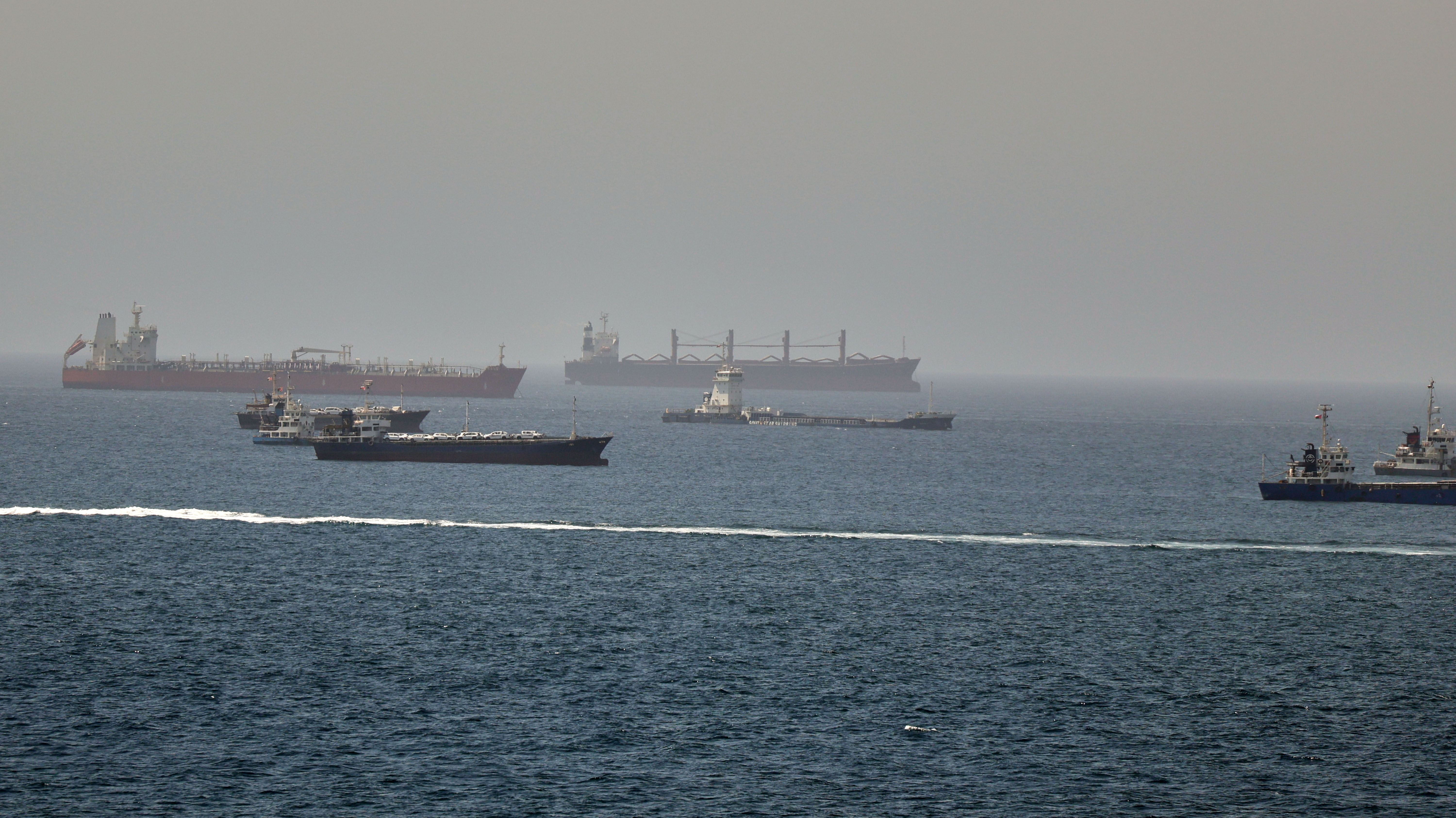
President Donald Trump declared Monday that the United States will assume the role of “the guardian” of the Strait of Hormuz, escalating a tense standoff with Tehran after both sides launched military strikes over the weekend. In a phone interview with Fox News, Trump asserted American control over the vital waterway and insisted that wealthy allied nations should pay for the protection.
“We’re going to keep the strait, and we’ll probably run it,” Trump said. “We’ll become the guardian of the strait. Maybe we’ll become the guardian angel of the strait, and we should be reimbursed for that.” He added that the U.S. had “guarded the strait for 50 years, and we never got paid for it. We guarded it for nothing.”
The president’s comments came hours after U.S. Central Command announced a third wave of precision strikes against Iranian targets, aimed at “degrading Iran’s ability to continue attacking international shipping” through the strait. Centcom declared that “Iran does not control it” and that U.S. forces are “postured and prepared to ensure freedom of navigation.”
Iran Fires Back with Territorial Claims
Iran’s Islamic Revolutionary Guard Corps swiftly countered, asserting that “the Strait of Hormuz is our territory, and we will not allow a rogue and child-killing army from the other side of the world to continue its illegal interference.” The exchange underscores a deepening crisis over the chokepoint through which about 20% of the world’s oil passes.
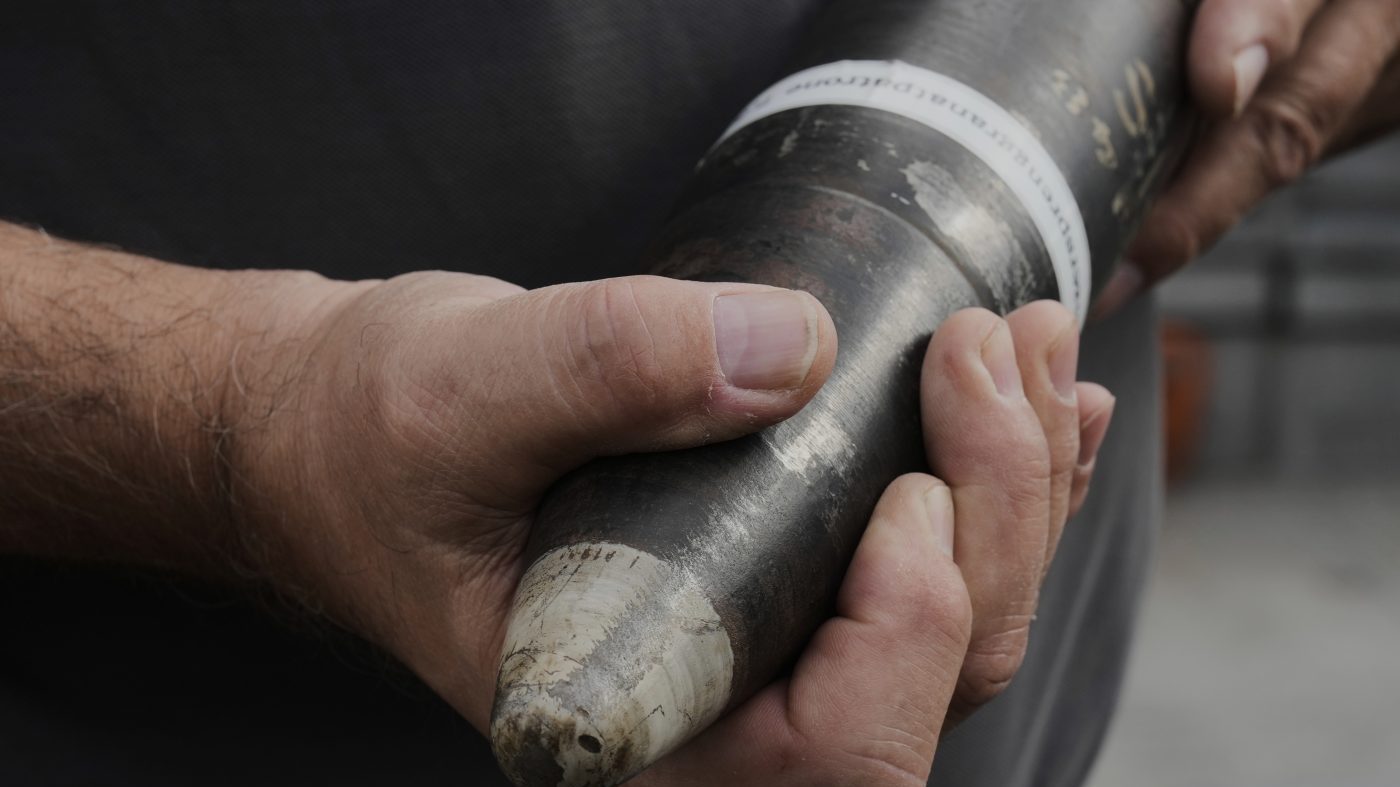
The weekend strikes followed an Iranian attack on a container ship in the strait, prompting the U.S. military to respond with what Centcom called “offensive strikes against Iran” using precision munitions on “dozens of targets at multiple locations.”
Trump’s demand for reimbursement revives a recurring theme of his foreign policy: that allies benefiting from U.S. military protection should pay more. The stance has already drawn criticism from analysts who warn it could fray alliances and embolden adversaries. For more on the broader implications, read how Trump earlier reinstated a blockade and imposed a 20% shipping levy.
Strategic and Political Fallout
The Strait of Hormuz crisis is unfolding against a backdrop of intense domestic political maneuvering. Trump’s aggressive posture on Iran and the strait has divided lawmakers, with some Republicans backing the show of force while others urge restraint. Meanwhile, Democratic critics have seized on the conflict to highlight what they see as the administration’s reckless unilateralism. A recent analysis by national security experts warned that Trump’s second term poses grave risks to global stability.
The president’s call for reimbursement also dovetails with his broader push to extract financial concessions from allies. In recent weeks, Trump has threatened tariffs on European goods and demanded NATO members boost defense spending. The Strait of Hormuz, however, is a uniquely sensitive flashpoint, as any disruption could send oil prices soaring and trigger a global economic shock.
Centcom’s statement Sunday made clear the U.S. military is prepared for a prolonged campaign: “The Strait of Hormuz is a vital maritime corridor for global trade. Iran does not control it. U.S. forces are postured and prepared to ensure that freedom of navigation remains available to commercial shipping despite Iran’s continued unwarranted aggression.”
As the standoff intensifies, Trump’s description of the U.S. role as “guardian angel” has drawn sharp reactions. Critics argue the phrase trivializes a dangerous military commitment, while supporters see it as a blunt acknowledgment of America’s indispensable role. For context on how this fits into the administration’s broader foreign policy, see Centcom’s latest strikes and the escalating crisis.
The coming days will test whether Trump’s “guardian” strategy can deter further Iranian provocations—or whether it will push the region closer to a full-scale confrontation.