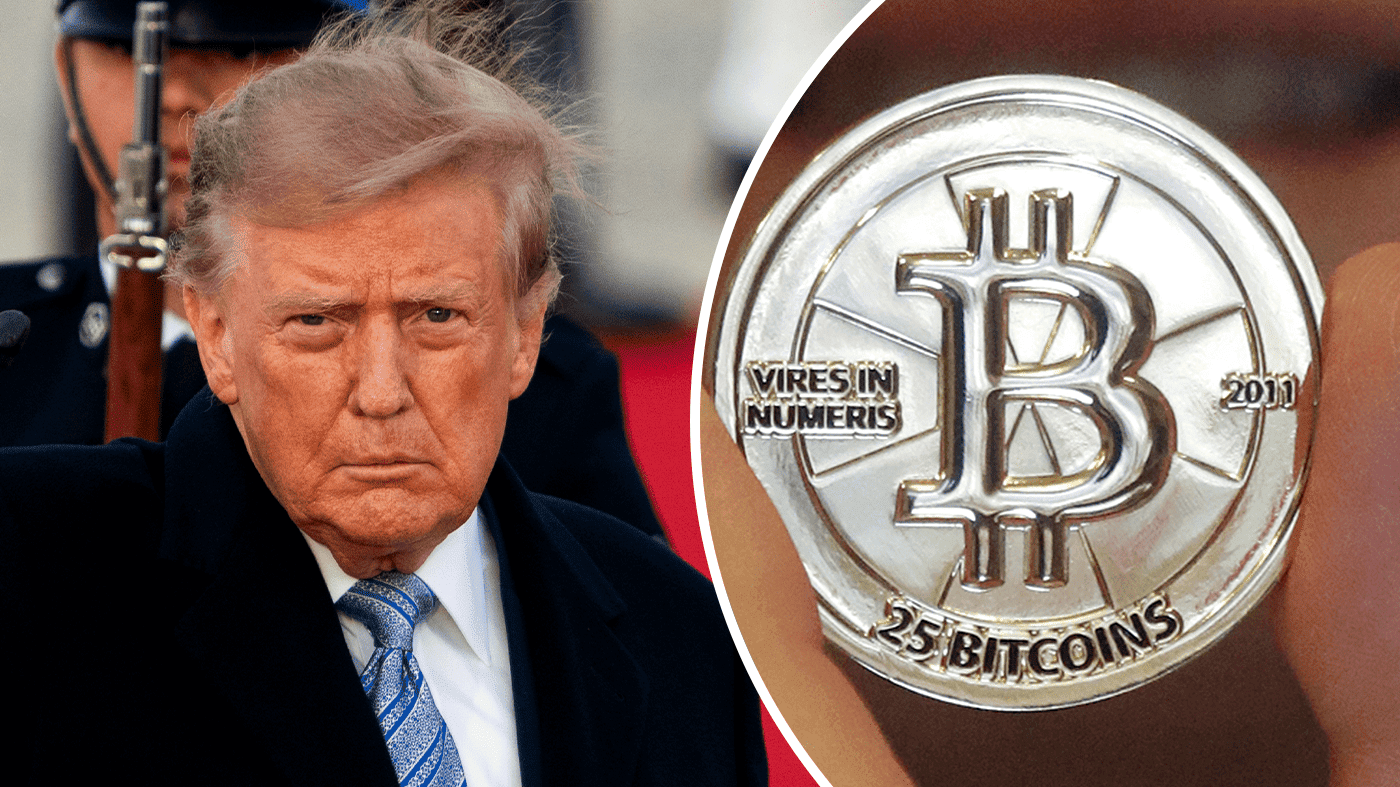
The Clarity Act, a bipartisan effort to regulate the cryptocurrency market, collapsed in the Senate last week, and the president's own financial entanglements are widely seen as a decisive factor. Democrats uniformly opposed the bill, arguing that it failed to impose adequate ethical constraints on President Trump and his family's growing crypto portfolio.
The timing of the vote, just weeks before the midterm elections, amplified the political stakes. Chris Niebuhr, a senior research analyst at Beacon Policy Advisors, noted that the delay made the president's business interests an unavoidable issue. "The fact that we got so close to the election before even a first preliminary vote happened on the bill just increased the salience of all the political issues around the bill, chief among which was the president's crypto business," he said.
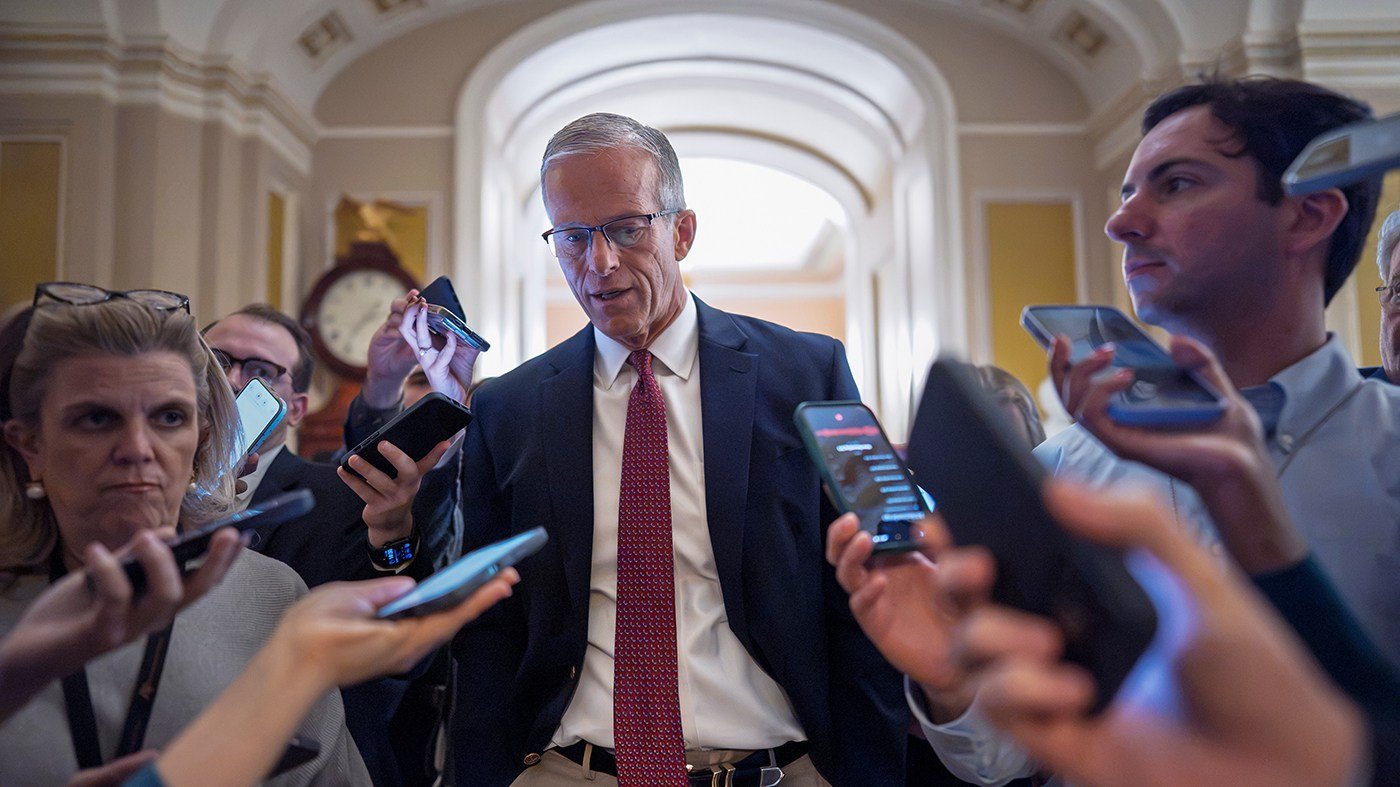
Ian Katz, managing director at Capital Alpha, echoed that sentiment, explaining that the dynamic "made it harder for the Democrats to go along with the bill or easier for them to say no. The wording of that depends on your perspective."
A White House official blamed Democrats outright, saying they "put political games over doing what's best for American technology and innovation." The official also touted the administration's proposed ethics provisions, calling them "the most comprehensive and wide-ranging ethics provision in history."
Crypto controversies pile up
Trump's embrace of crypto during his 2024 campaign marked a dramatic shift for an industry that had spent years clashing with the Biden administration. After taking office, he ousted SEC Chair Gary Gensler, appointed crypto-friendly regulators, and dropped numerous investigations and lawsuits against crypto firms. But that momentum was quickly complicated by the Trump family's own ventures.
Just before taking office, Trump and first lady Melania Trump launched meme coins—digital tokens with no inherent value—sparking concerns within the industry that such moves could undermine the administration's regulatory credibility. Months later, Trump hosted a private dinner for investors in his $TRUMP token, drawing Democratic accusations of a "pay-to-play scheme."
World Liberty Financial, the family's main crypto project, became another flashpoint. The company, launched with Trump's sons before the election, moved into stablecoins and announced a $2 billion investment from Emirati firm MGX into Binance. The deal raised eyebrows, especially when the administration granted the UAE access to advanced AI chips weeks later, with ties to MGX and G42, an AI firm controlled by an Emirati royal. Binance's founder, Changpeng Zhao, had been pardoned by Trump after pleading guilty to anti-money laundering failures.
Trump's annual financial disclosure, released in late June, showed he made over $1 billion from crypto ventures last year, adding fuel to Democratic criticism.
Stablecoin bill succeeds, but Clarity Act stalls
Democrats had pushed for restrictions on the Trump family's crypto involvement in the earlier GENIUS Act, which passed with bipartisan support. But the Clarity Act, which aimed to provide a broader regulatory framework, proved more contentious.
Negotiations dragged on through 2025 and into 2026, with the same group of crypto-friendly Democrats who supported the GENIUS Act initially engaged. "In mid-2025, Democrats were interested in passing the bill," Niebuhr said, noting their "legitimate interest in creating long-term guardrails for the industry."
But as the midterms approached, the political calculus shifted. "Politics played a very significant role in the bill's ultimate demise, but one that might have been avoidable if you had adjusted the timing," Niebuhr added. With the vote failing, the future of market structure legislation remains uncertain, and the president's crypto empire continues to cast a long shadow over any reform effort.
Related coverage: Tillis criticizes Trump Jr. over oligarch gift and media ban fallout ahead of midterms.