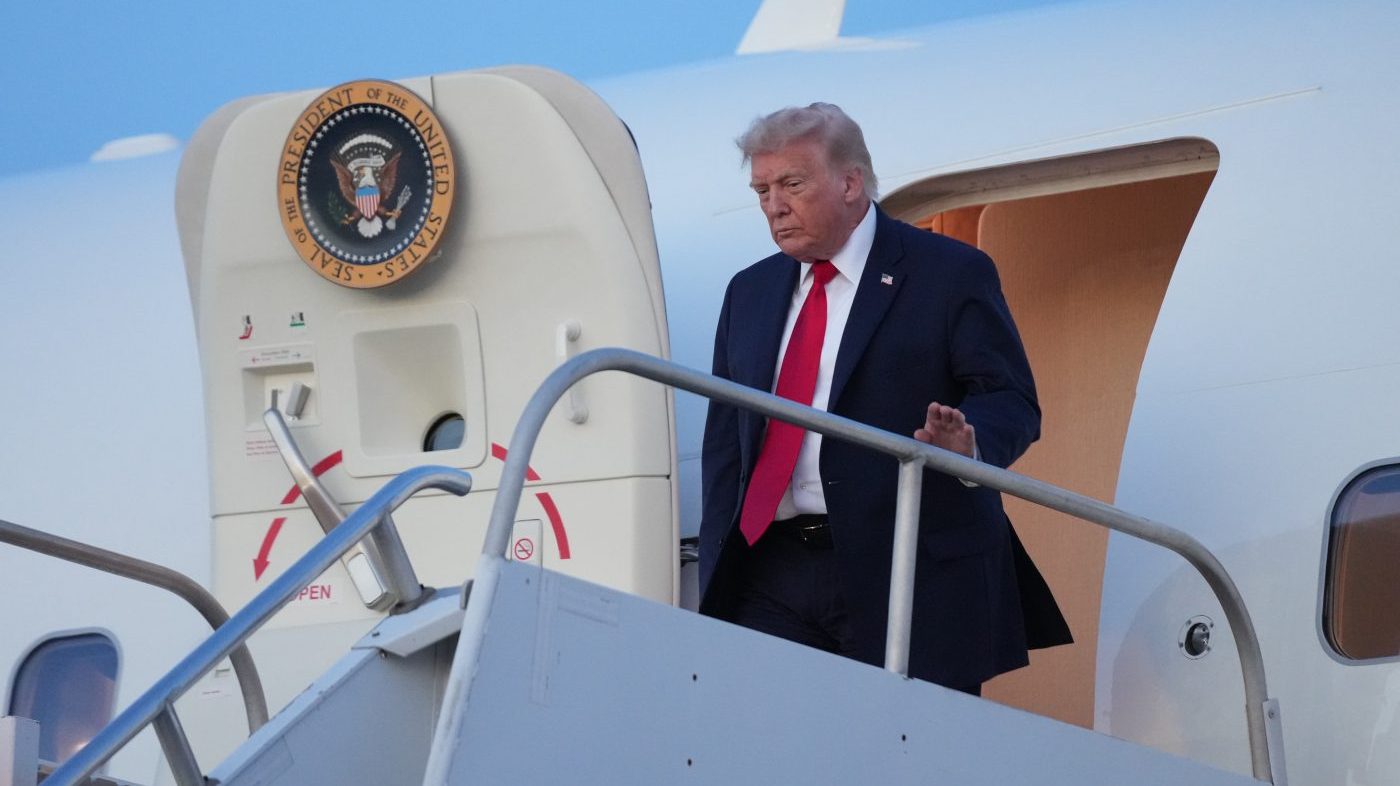
President Trump on Friday walked back a central theme of his political brand, denying that he ever campaigned on ending what he once called “endless wars” — even as his administration pursues a deal to halt hostilities with Iran.
In an interview with NBC’s “Meet the Press” that aired Sunday, Trump told host Kristen Welker, “I didn’t promise anything. I don’t like these endless wars. This is not an endless war.” He characterized the three-month-old Iran conflict as largely under a “pretty good form of ceasefire.”
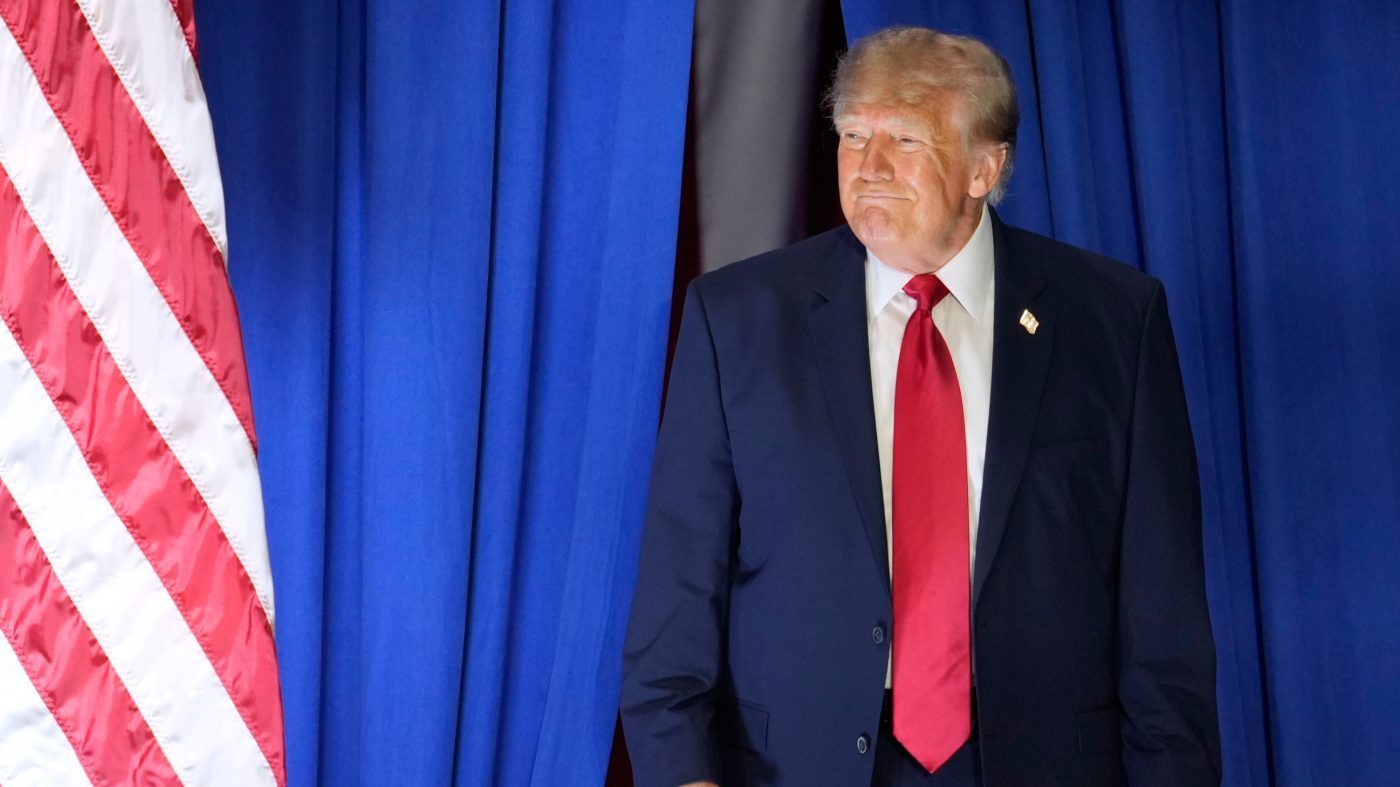
The president’s comments come as his administration negotiates a potential agreement with Tehran, a move that echoes his earlier boasts about ending U.S. involvement in protracted conflicts. However, Trump’s own record undercuts that narrative. He signed the One Big Beautiful Bill Act last July, which allocated $150 billion for defense, and the Pentagon has requested a record $1.5 trillion for fiscal 2027 — a 42 percent increase. The House Armed Services Committee recently advanced a defense policy bill with $1.15 trillion in appropriated funding.
Trump insisted he would “not have built the strongest military in the world” if he were entirely opposed to war, a statement that clashes with his long history of criticizing military interventions. During a February 2016 Republican debate, he blasted former President George W. Bush for the Iraq War, saying, “We spent $2 trillion, thousands of lives, we don’t even have it. Iran is taking over Iraq. Obviously, it was a mistake.” He added, “We should have never been in Iraq. We have destabilized the Middle East.”
More than eight years later, Trump’s campaign rhetoric remained consistent. At the 2024 Republican National Convention, he pledged to end “years of war, weakness and chaos,” claiming, “I could stop wars with a telephone call.” His official White House biography still lists “putting a stop to endless wars” as a top priority.
Yet, before and during his presidency, Trump has repeatedly declared that Iran must not acquire a nuclear weapon — the stated justification for launching the current conflict. At a rally two days before the 2024 election, he warned, “Iran can’t have a nuclear weapon. Nuclear weapons are the greatest single threat to our country, but to the entire world.”
The contradiction between Trump’s anti-war posture and his actions has not gone unnoticed. Critics point to his administration’s hesitancy on a Ukraine drone deal, which baffled experts and risked eroding the U.S. military edge. Meanwhile, his regulatory maneuvers — often described as a bureaucratic blitzkrieg — have quietly reshaped higher education policy, drawing attention away from foreign policy inconsistencies.
As Trump faces growing GOP rebellion ahead of the midterms, with approval ratings at new lows, his shifting stance on “endless wars” may further alienate both anti-war conservatives and hawks who expect a coherent strategy. The president’s denial of his own campaign promises underscores the tension between his rhetoric and the realities of governing a superpower.