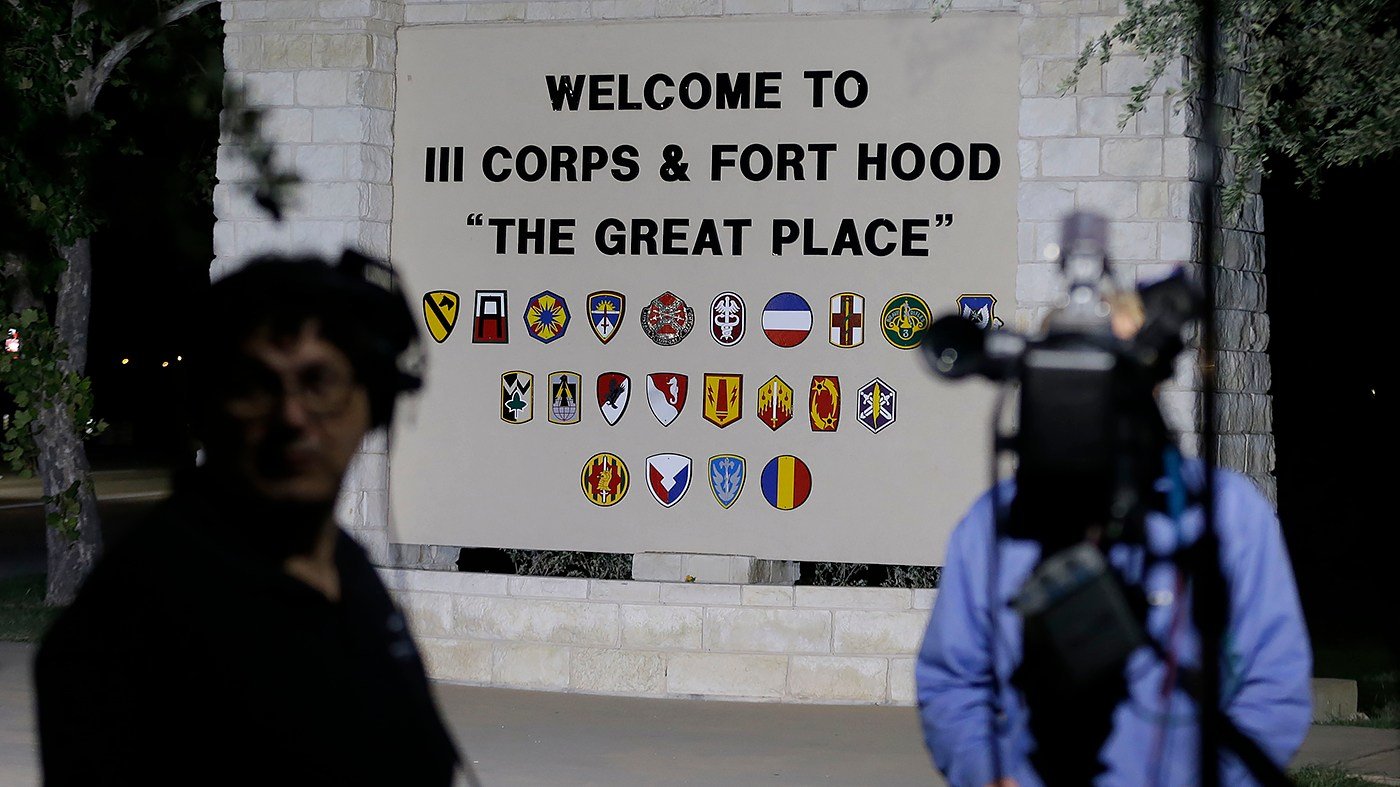
The Trump administration's recent actions against the military newspaper Stars and Stripes—including the abrupt dismissal of its publisher, editor, and a reporter—are part of a broader effort to curb independent journalism and limit what Americans can learn about government operations. The firings came just days after the paper published an investigation into deplorable conditions aboard the USS Abraham Lincoln, where sailors faced food and water shortages, broken plumbing, and rising morale problems, including reports of suicidal thoughts.
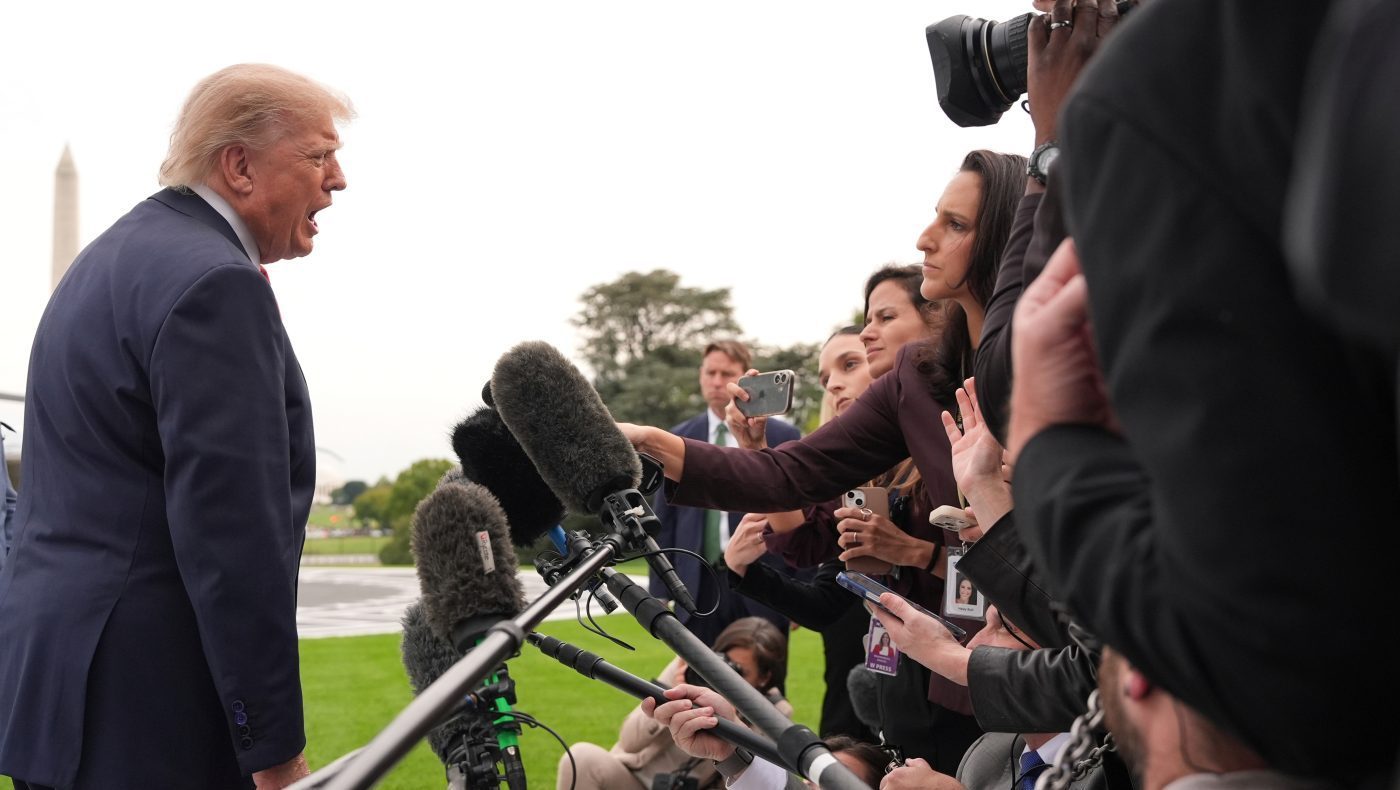
President Trump dismissed the findings, falsely claiming the carrier was "beautifully maintained and beautifully taken care of," even as he acknowledged its imminent return to the U.S. The administration's response mirrors tactics used by authoritarian regimes, where press freedom is suppressed to hide failures and push propaganda. The Freedom of the Press Foundation has documented a long list of such measures, from multibillion-dollar lawsuits against news outlets to defunding NPR and PBS, dismantling Voice of America, banning critical journalists from White House events, and threatening broadcast licenses for networks that air unfavorable coverage.
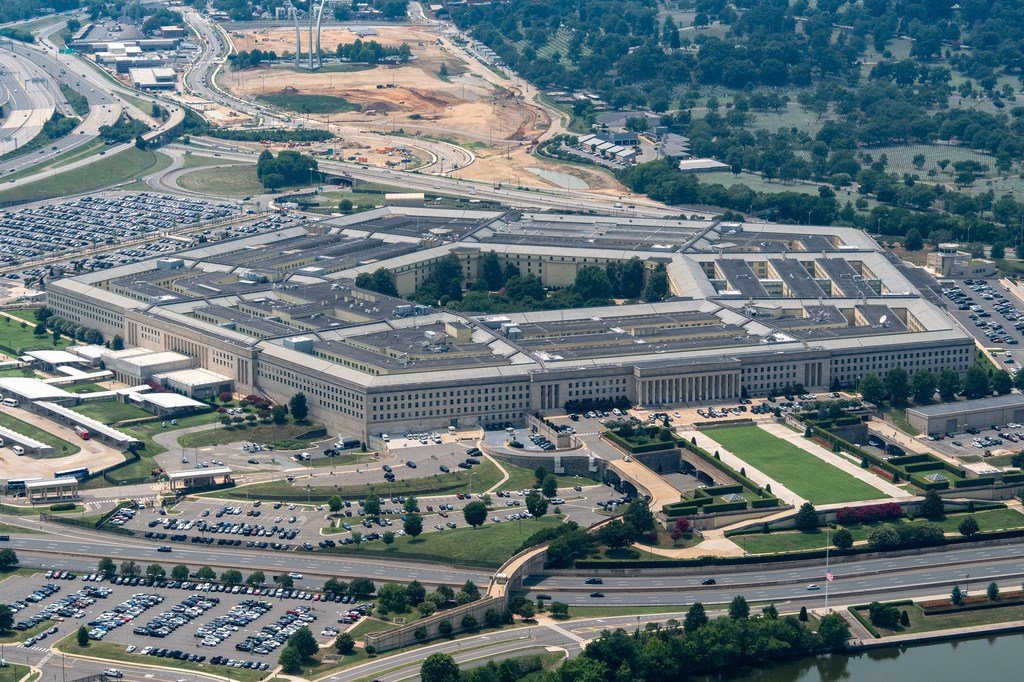
The crackdown on Stars and Stripes is particularly troubling given its long history of editorial independence, dating back to World War I. General John Pershing praised the paper for sustaining troop morale through uncensored reporting, and General Dwight Eisenhower famously declared, "Stars and Stripes is the soldiers' newspaper. We will not interfere." Yet in January, the Pentagon ended that policy, with spokesman Sean Parnell announcing a "modernization" to refocus content away from "woke distractions" and to stop using Associated Press stories—a move that severely limits the paper's news sources.
This is not modernization; it is censorship. The Defense Department is effectively turning Stars and Stripes into a propaganda organ, reporting only what is favorable to the administration. When the paper's ombudsman warned that the new policy endangered editorial independence, she was fired and has since sued the Pentagon. The move also deprives service members of their right to accurate, independent news about the military and the nation they defend.
Trump's hostility toward the media is unprecedented in modern American history. He has called the press "an enemy of the American people," echoing the language of dictators like Hitler, Stalin, and Mao. His efforts to muzzle journalists are more aggressive than even Richard Nixon's, and his low approval ratings suggest many Americans see through his falsehoods, such as his baseless claim of winning the 2020 election.
As the administration continues its assault on press freedom, the stakes are high. The media serve as the public's eyes and ears, holding officials accountable regardless of party. The fight over Stars and Stripes is a microcosm of a larger battle over transparency and truth in government. Whether future presidents will respect the fundamental link between liberty and a free press remains an open question, as Thomas Jefferson warned: "Our liberty depends on the freedom of the press, and that cannot be limited without being lost."
For now, the Pentagon's actions against Stars and Stripes are a stark reminder that press freedom cannot be taken for granted. As the administration continues to target independent media, the need for vigilance has never been greater.