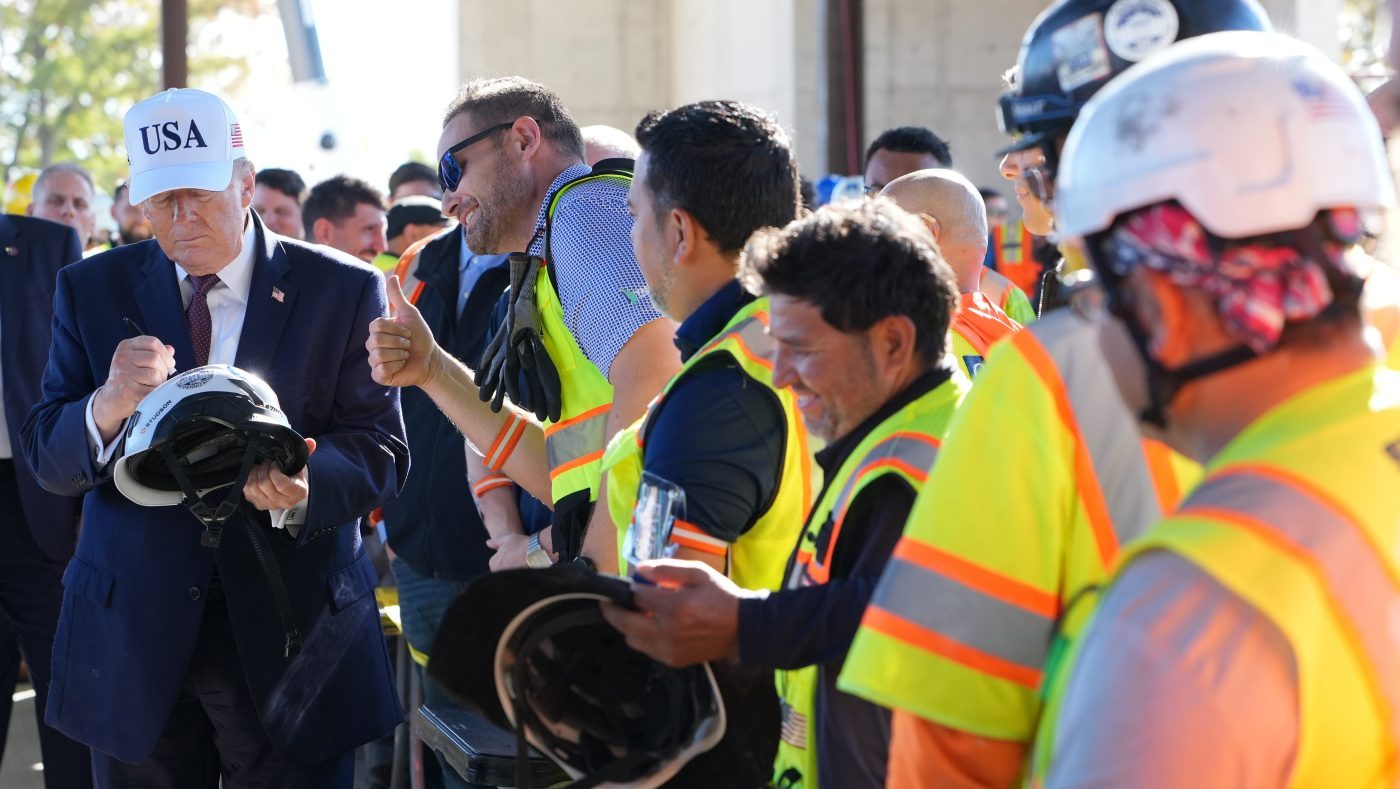
President Trump delivered remarks from the White House ballroom construction site on Wednesday, marking his first public appearance since Election Day. The event, streamed live, came as the political landscape shifted dramatically with Democrats seizing control of Congress in a decisive rebuke of the administration's policies and leadership.
The president's address from the partially built ballroom—a space intended for formal events—underscored the administration's focus on its construction projects, but the timing raised eyebrows. With the GOP suffering historic losses, including in Texas and Tennessee, Trump's comments were closely watched for signals on his political future and his stance on the Iran conflict.
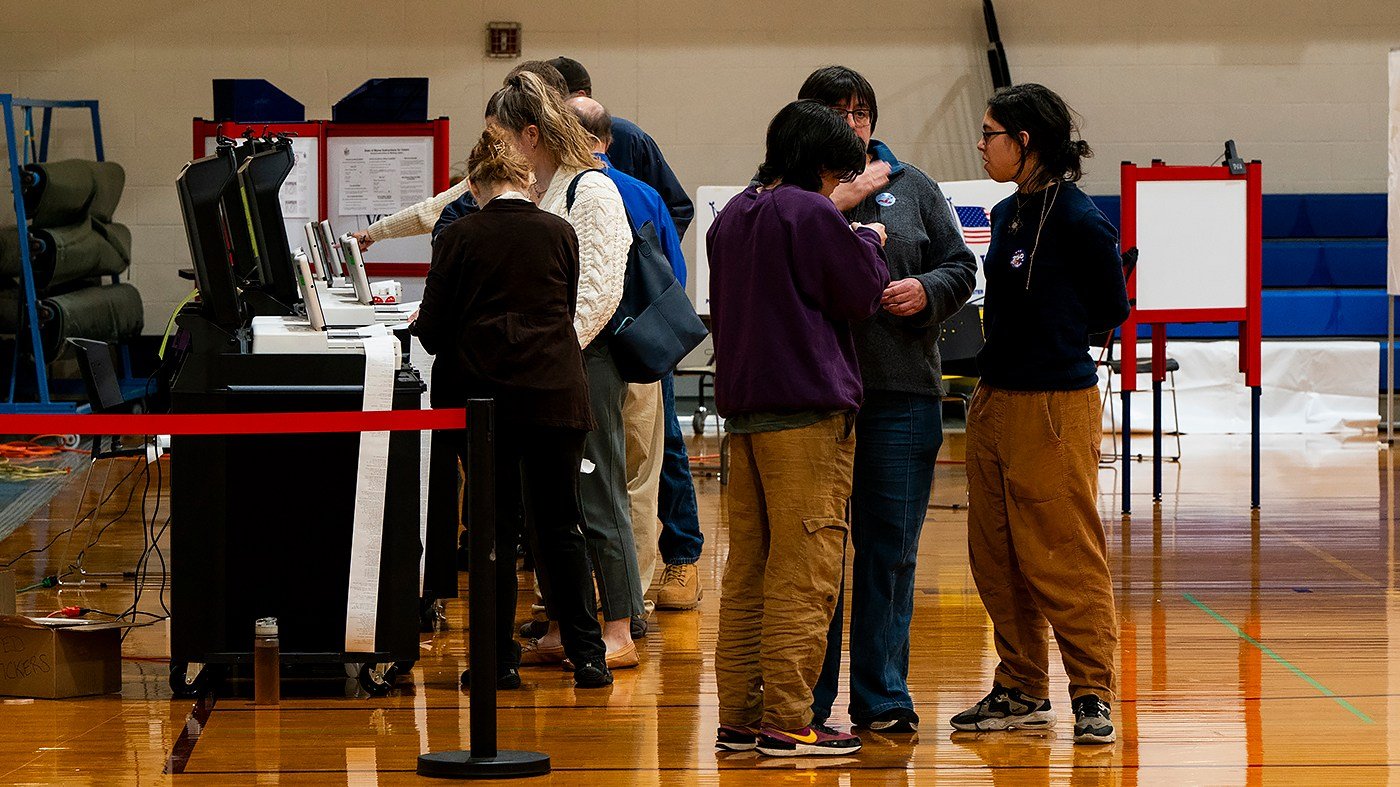
According to Democrats' congressional sweep, the party flipped key districts and Senate seats, capitalizing on voter discontent over the ongoing Iran war and the administration's handling of the economy. The election results were widely interpreted as a referendum on Trump's agenda, with even traditionally safe Republican seats falling to challengers.
In his remarks, Trump avoided direct acknowledgment of the electoral setbacks, instead focusing on his administration's achievements and the construction project at hand. However, his tone was defensive, and he hinted at external factors, including media hostility and internal GOP opposition, as contributing to the party's struggles.
The president's relationship with the press has been a recurring theme, and his latest comments come amid ongoing tensions. Press freedom advocates have noted that despite the administration's adversarial stance, constitutional protections have held, though they warn of continued erosion. The White House press corps was present for the event, but questions were not permitted, a departure from standard practice.
Trump's decision to speak from the construction site, rather than the traditional briefing room or Oval Office, was seen as an attempt to project progress and normalcy. Yet, the backdrop of scaffolding and exposed beams served as a metaphor for an administration under renovation, facing an uncertain future.
Political analysts have pointed to the GOP's losses as a turning point, with some calling for a post-Trump reckoning as the party looks toward 2028. The president's influence remains significant, but his ability to shape the party's direction is now in question.
Trump also touched on the Iran war, defending his decision to strike despite the electoral fallout. He blamed the war for the GOP's rout, but insisted the action was necessary for national security. This stance has drawn criticism from both parties, with some accusing him of prioritizing personal legacy over political survival.
Meanwhile, the president's legal challenges continue, with a court fight over his arch project looming. The case, brought by Public Citizen, alleges misuse of funds and constitutional violations, adding to the administration's legal woes.
As the dust settles on Election Day, the nation watches to see how Trump will navigate the new political reality. His address from the ballroom construction site may be remembered as a defiant, yet symbolic, moment in a presidency facing its most challenging chapter yet.