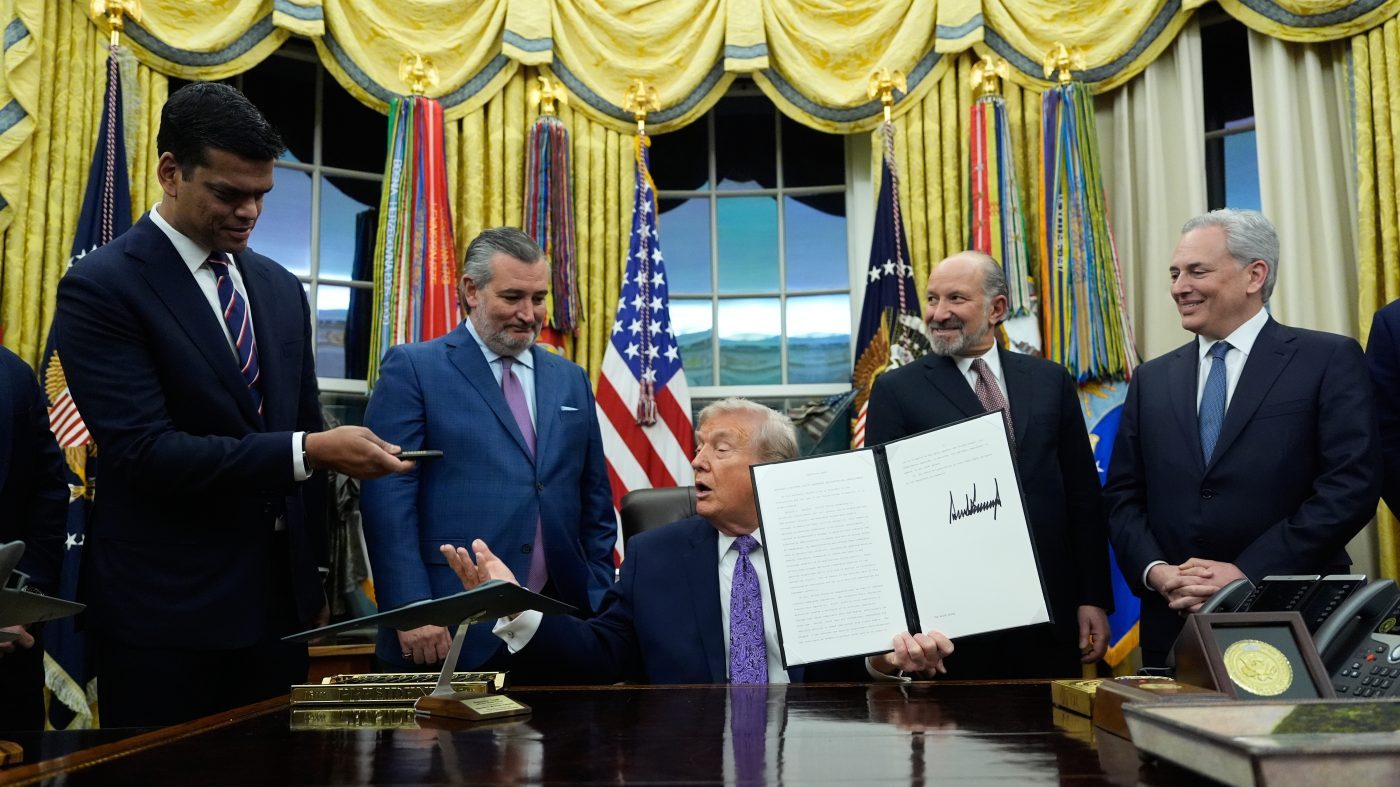
Sriram Krishnan, a tech investor and senior policy adviser on artificial intelligence, announced Saturday he will leave the White House at the end of the month. His departure removes a key architect of the administration's push for AI supremacy from the building, though he will continue to advise from outside.
Krishnan confirmed the move on social media platform X, writing, “I’ll be working on helping tackle some of the large challenges facing America on AI.” He did not detail his reasons for stepping down but called his tenure “the privilege of a lifetime.”

White House AI and crypto czar David Sacks praised Krishnan’s tenure in a lengthy post on X, calling him a “critical asset” and one of the administration’s most influential voices on AI policy. “Your skills are genuinely unique: a rare combination of deep technical fluency in AI, sharp policy instincts, exceptional strategic thinking, and true diplomatic talent,” Sacks wrote, highlighting Krishnan’s role in co-authoring the administration’s AI action plan and shaping the national AI policy framework now before Congress. “It will be a huge loss for the administration,” Sacks added.
Krishnan’s exit comes as the administration confronts mounting challenges from AI, including cybersecurity threats and potential job displacement. Earlier this year, President Trump and White House tech leaders sent an AI policy “wish list” to Congress, a long-awaited framework that has become the basis for legislative discussions. The departure also follows Trump’s recent executive order creating a voluntary process for AI labs to submit their models for government testing up to 30 days before public release—a period shortened from 90 days after industry pushback that such delays could benefit competitors in the fast-moving AI sector.
Krishnan’s move to an outside advisory role means the White House retains access to his expertise even as it loses his day-to-day presence. The transition comes amid broader shifts in the administration’s technology and intelligence posture, including Trump’s push to shrink intelligence agencies and the controversial nomination of Housing Chief Pulte to lead intelligence, which has drawn bipartisan alarm and stunned GOP senators.
Policy Legacy and Future Direction
Krishnan was instrumental in crafting the administration’s pro-industry AI policies, which prioritize American dominance in the technology while attempting to manage risks. His work on the national AI policy framework—now under consideration in Congress—set the stage for potential legislation that could shape everything from national security to economic competitiveness. The framework’s emphasis on voluntary testing and reduced review times reflects a balancing act between fostering innovation and addressing safety concerns.
The administration’s approach has not been without controversy. Critics argue that the shortened testing window and voluntary nature of the program may leave the government ill-equipped to catch dangerous flaws before deployment. Supporters counter that a 90-day hold would cripple U.S. AI labs in global competition, especially against rivals like China.
As Krishnan transitions to outside adviser, the White House will need to fill a significant gap in its AI policy team. The move also comes as the administration faces a geopolitical stalemate with Iran over the Strait of Hormuz and domestic pressures from a new analysis warning Social Security benefits could drop $500 monthly by 2032. For now, Krishnan’s departure marks the end of a chapter in the White House’s AI push, but his continued involvement suggests the administration is not ready to lose his insight entirely.