Leading House Democrats on key national security committees are pressing President Trump to greenlight a long-delayed $14 billion arms package for Taiwan, arguing that further stalling could erode deterrence across the Taiwan Strait and give Beijing undue influence over U.S. policy. The push comes just days before Trump's scheduled visit to China for talks with President Xi Jinping.
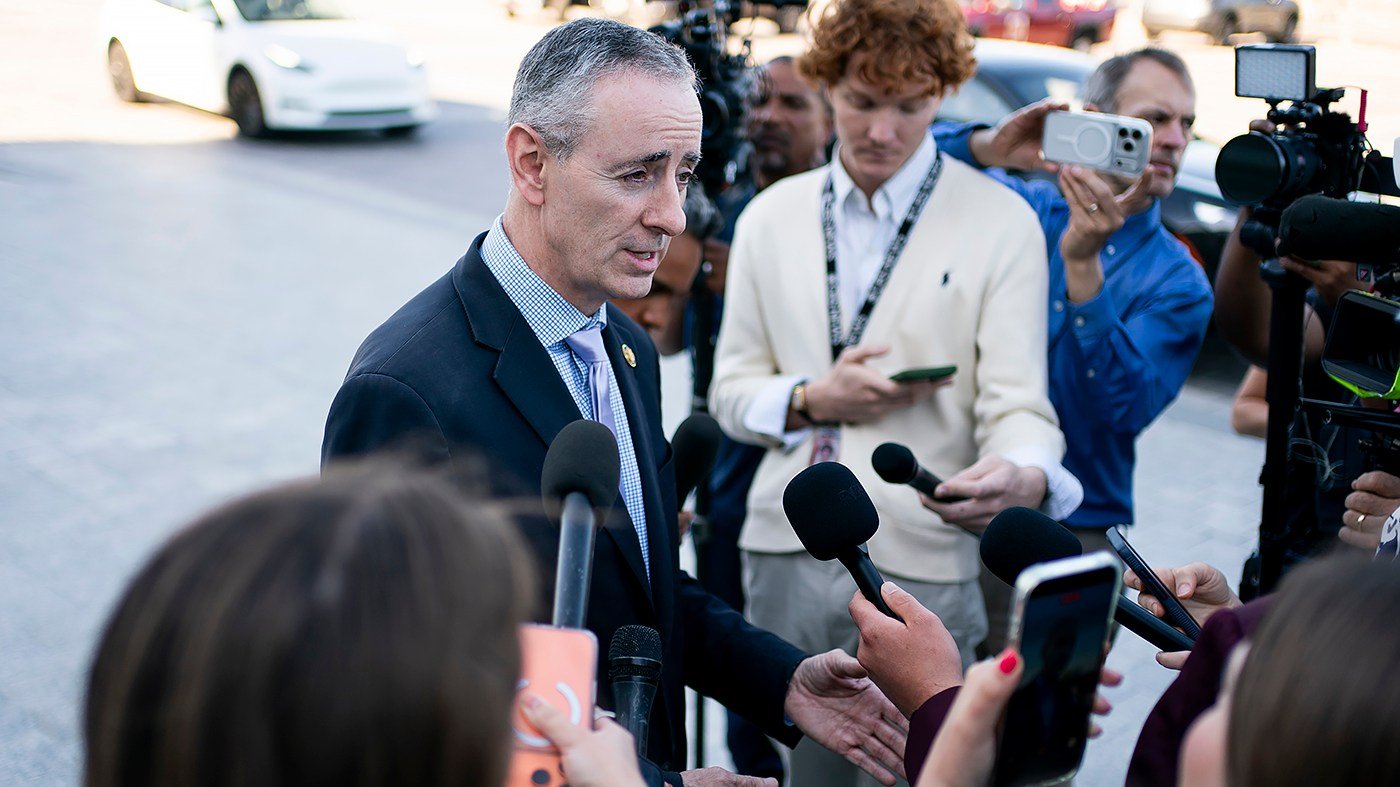
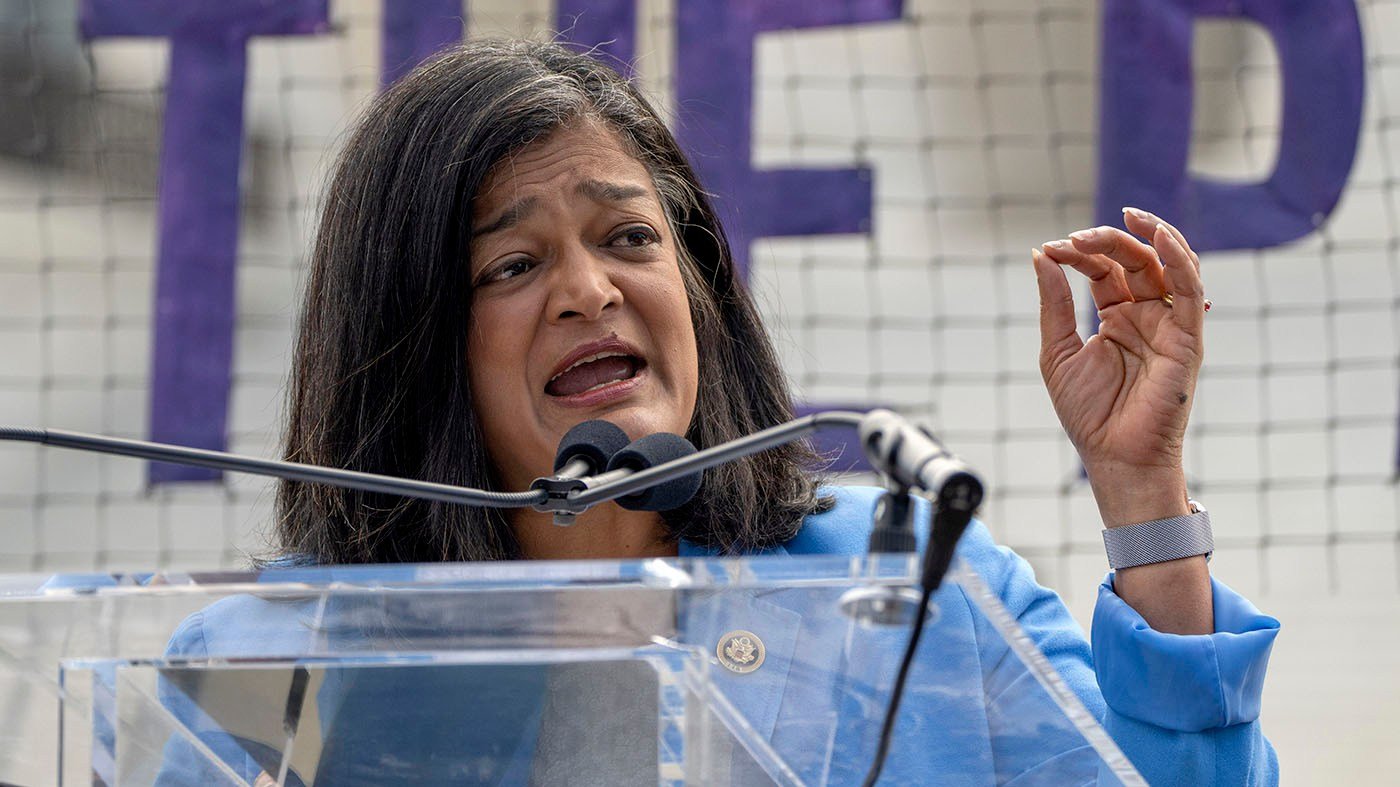
In a two-page letter obtained by The Hill, the lawmakers warned that postponing the congressionally approved sale undermines the U.S. commitment to Taiwan's self-defense. The letter was signed by Representatives Ro Khanna (California), the ranking Democrat on the Select Committee on the Chinese Communist Party; Jim Himes (Connecticut), the top Democrat on the House Intelligence Committee; Adam Smith (Washington), the ranking member on Armed Services; and Gregory Meeks (New York), the ranking Democrat on Foreign Affairs.
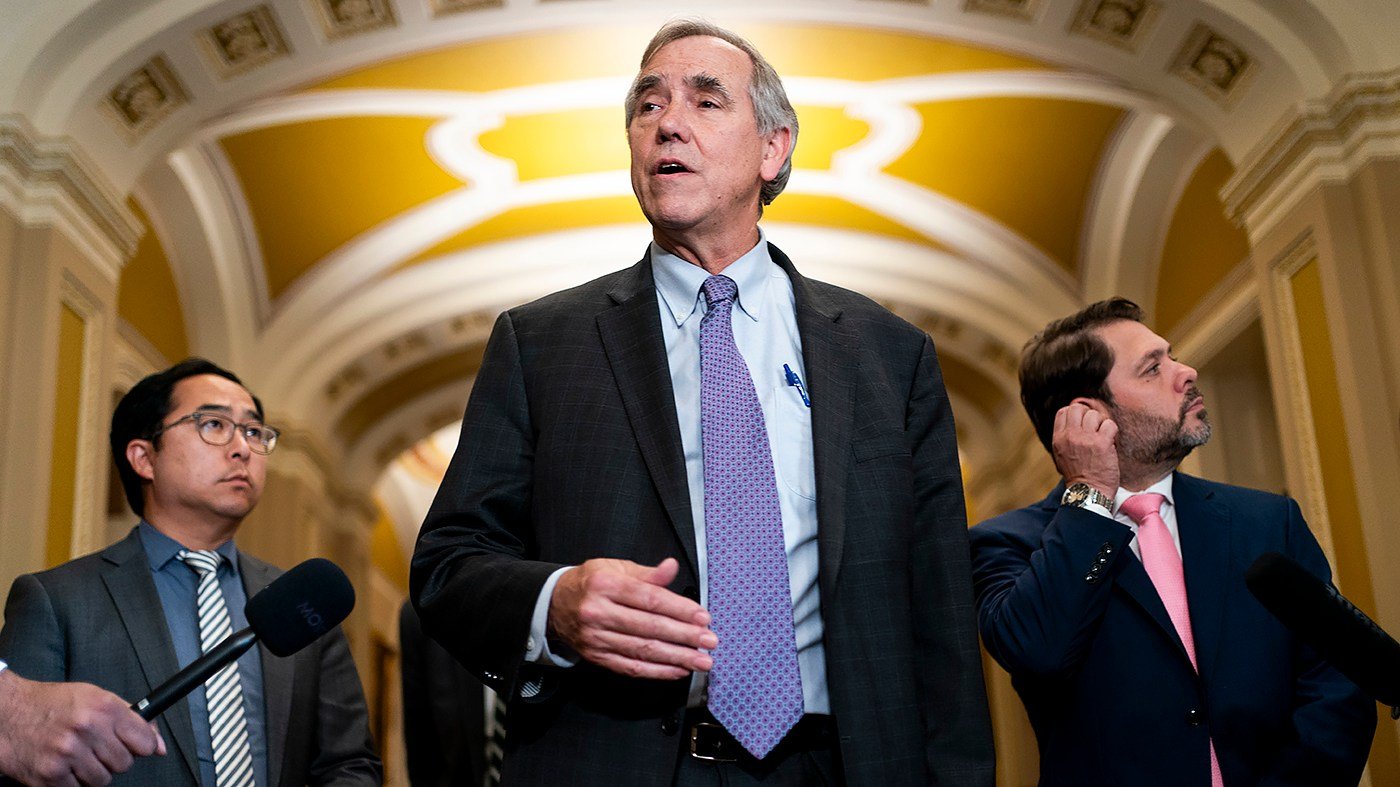
“Delays of Congressionally approved arms sales to Taiwan undercut the maintenance of effective cross-Strait deterrence, and even the possibility of the PRC unduly influencing the United States’ Taiwan policy undermines the spirit of both the TRA and the Six Assurances,” the lawmakers wrote. The Six Assurances, a set of nonbinding policy commitments dating to the Reagan administration, include a pledge that Washington will not consult Beijing on arms sales to Taipei.
Trump told reporters Monday that the Taiwan arms sale would be on the agenda during his meeting with Xi. “I’m going to have that discussion with President Xi. President Xi would like us not to, and I’ll have that discussion. That’s one of the many things I’ll be talking about,” the president said. The $14 billion package reportedly includes interceptor missiles for Patriot launchers, a missile-based air-defense system, and anti-drone equipment. Regional experts previously told The Hill that the sale is expected to be delayed until after the summit.
Congress approved the sale in January, but the deal cannot move forward until Trump formally submits it to lawmakers. The White House has faced bipartisan pressure to act, with a group of senators also urging the administration to proceed. “Just as Taiwan’s leaders demonstrated unity in support of their people’s defense, so too must we move ahead with pending U.S. arms sales vital to our own national interests,” senators wrote in a separate letter. “You should make clear to Beijing that as you seek to level the economic playing field, American support for Taiwan is not up for negotiation.”
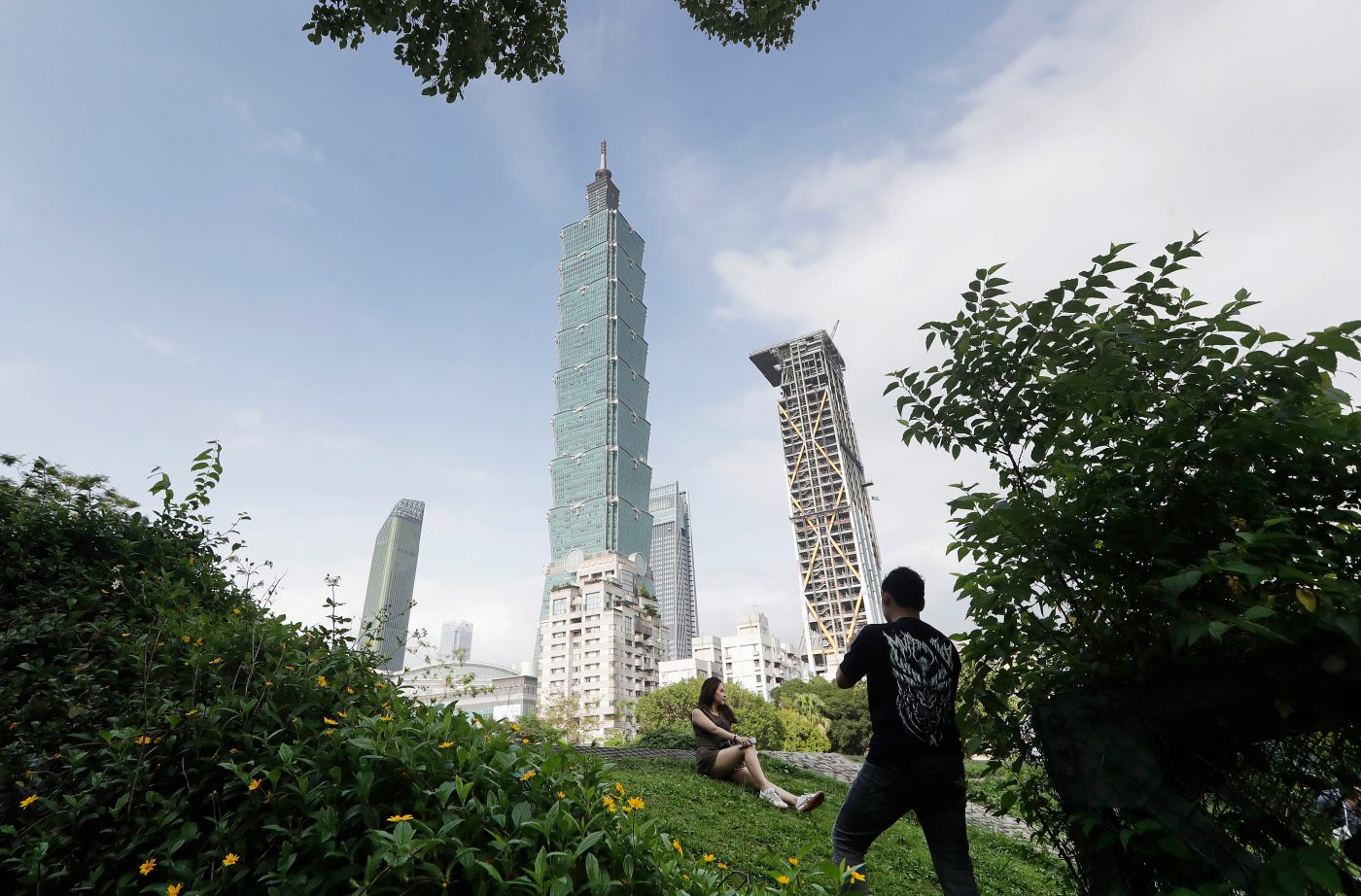
U.S. arms sales to Taiwan have long been a flashpoint in relations with China, which claims the island as part of its territory and has ramped up military exercises near Taiwan in recent months. In December, the Trump administration approved an $11 billion package that included Javelin antitank missiles, HIMARS rocket systems, and howitzers. The latest proposed sale is significantly larger and comes as Taiwan’s parliament approved a $25 billion special defense budget last week, though that falls short of the $40 billion the government had sought.
The Democratic letter also urged Trump to “affirm the Administration’s commitment to the One-China Policy, as based on the TRA, Three Joint Communiqués and Six Assurances” and to oppose any Chinese attempt to “dictate U.S. policy toward” Taiwan. The timing of the letter reflects heightened concerns that Trump might use the arms sale as a bargaining chip in his discussions with Xi. The president has shown willingness to delay the sale, but lawmakers on both sides of the aisle are signaling that Taiwan policy should not be subject to negotiation.
As Trump prepares for his high-stakes meeting with Xi, the arms sale remains a critical test of U.S. policy toward Taiwan. The administration’s decision could signal whether Washington will maintain its longstanding posture of strategic ambiguity or shift toward a more transactional approach under pressure from Beijing. For now, the bipartisan chorus on Capitol Hill is clear: the $14 billion sale must move forward without further delay.