In an unusual intersection of celebrity media and political accountability, TMZ executive producer Harvey Levin has publicly requested travelers to photograph and submit images of members of Congress they encounter on vacation. The call comes as a partial shutdown of the Department of Homeland Security enters its 42nd day, leaving thousands of Transportation Security Administration officers working without pay while political negotiations stall.
Levin made the appeal directly to the outlet's audience in a video posted on social media platform X. "If anybody goes to Disney World with their family for spring break or goes to a beach somewhere or anywhere on vacation, and you see one of the 535 members of Congress, take a picture and send it to us at TMZ," Levin stated. He emphasized the outlet's intention to publish submitted photos across its digital and broadcast platforms, framing the effort as exposing what lawmakers are doing "at your expense" during the ongoing crisis.
Political Travel Under Scrutiny
TMZ has already begun publishing images of senators traveling from Washington-area airports. The outlet shared photographs of Senator Ted Cruz boarding a flight from Washington, D.C., and Senator Marsha Blackburn leaving Reagan National Airport. A separate video captured Senate Majority Leader John Thune at the same airport, where he offered a noncommittal "we'll see" when asked about House passage of the Senate's funding bill, adding that "we made some temporary headway but we've got a lot of work to do still."
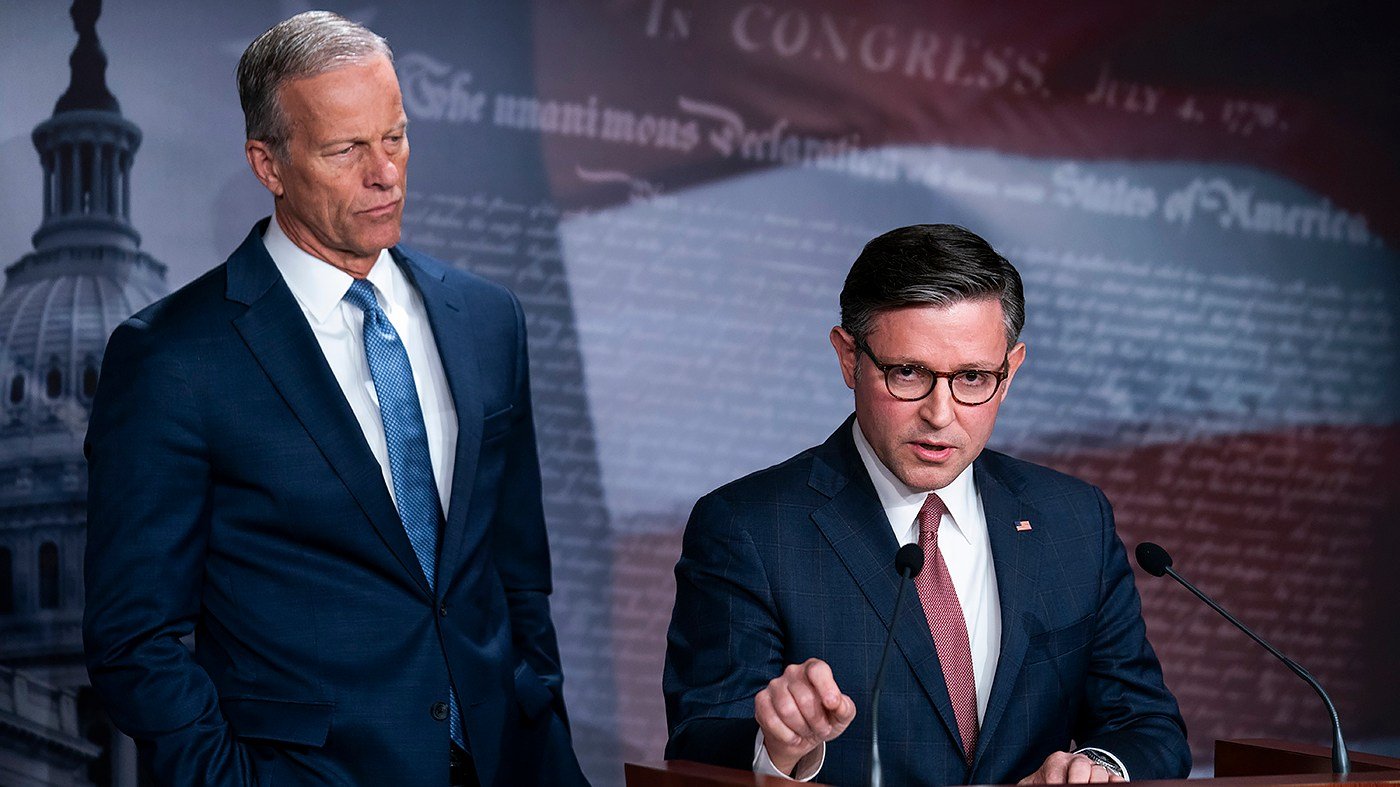
The political context for this unusual public surveillance campaign is a deep legislative impasse. Early Friday, the Senate approved by unanimous consent a measure to fund most DHS operations, excluding Immigration and Customs Enforcement and Customs and Border Protection. House Republicans immediately rejected this approach, with Speaker Mike Johnson proposing instead an eight-week stopgap measure to fund the entire department through May 22. Johnson indicated he intends to hold a vote soon on this continuing resolution.
Human and Operational Toll
The shutdown's consequences have become increasingly severe for both federal employees and travelers. Approximately 480 TSA screeners have quit since the funding lapse began, according to testimony from acting TSA administrator Ha Nguyen McNeill before House lawmakers. McNeill described the situation as "dire" and warned of "a potential perfect storm of severe staffing shortages" that threatens airport security operations nationwide.
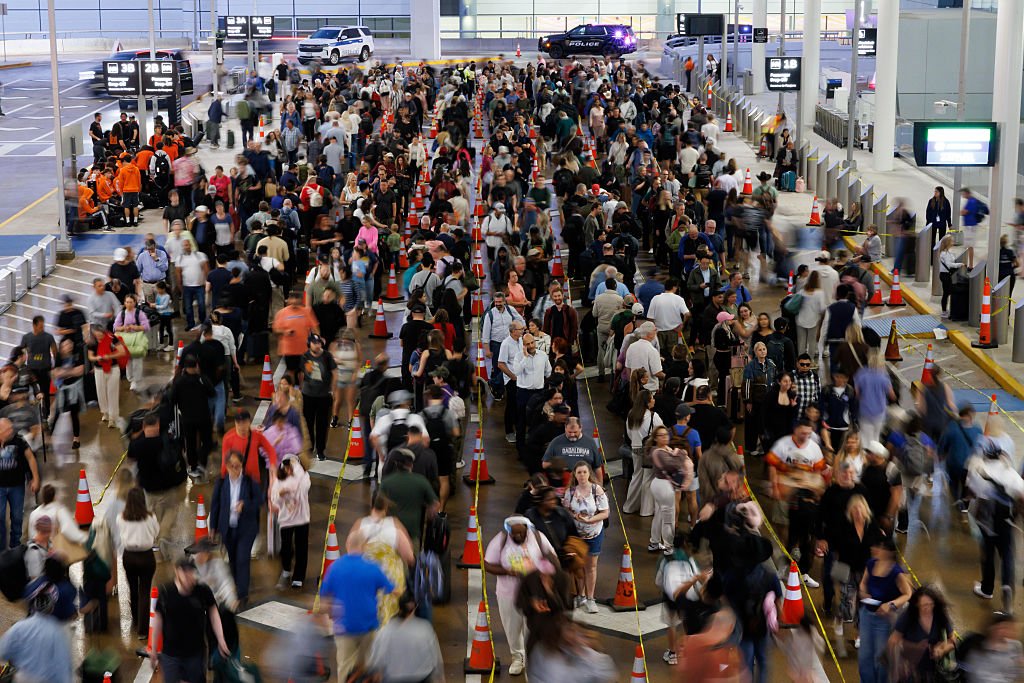
The staffing crisis has translated directly into operational disruptions at airports across the country. Travelers face unpredictable wait times and lengthening security lines, while airlines have been forced to delay or cancel flights due to security checkpoint bottlenecks. The situation has been particularly acute at major transportation hubs in Texas, where staffing shortages have created cascading delays.
Executive Action and Political Pressure
Amid the mounting crisis, President Trump signed a memorandum on Friday authorizing payment to TSA workers, with funds expected to reach employees as early as Monday. This move follows increasing pressure on the administration to address the human impact of the shutdown through executive action, though it does not resolve the underlying legislative stalemate.
The TMZ campaign represents an unconventional form of political pressure that highlights the growing public frustration with Washington's inability to resolve the funding impasse. By encouraging citizens to document lawmakers' leisure travel while federal employees work without pay, the effort aims to sharpen the contrast between political dysfunction in Washington and its real-world consequences. As the airport security crisis intensifies political pressure to end the DHS shutdown, both traditional media and unconventional actors like TMZ are amplifying public scrutiny of congressional actions during the ongoing crisis.