If you've ever felt besieged by a relentless stream of fundraising texts and emails from political figures, you're not alone. One exasperated voter has proposed a novel form of retaliation: write back and ask them for money.
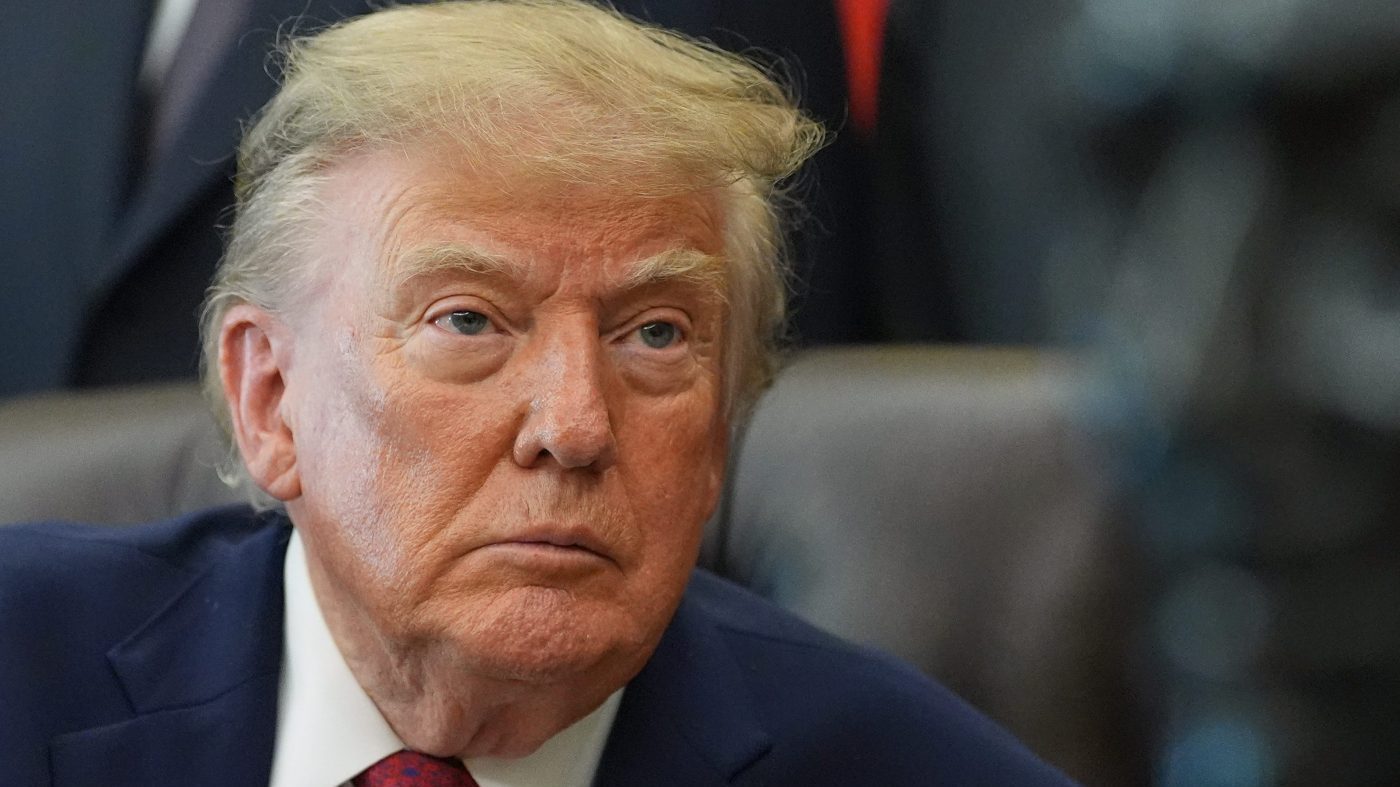
Mark Schorr, a novelist and former press spokesperson for a New York State assemblyman, has had enough. He's been scolded by House Minority Leader Hakeem Jeffries, who wrote, "I asked once. I asked twice. I asked a third time. I'm asking again today." He's received urgent messages from President Biden, claiming his phone battery is at 5% and demanding a response within 15 minutes. Former President Trump has warned, "ALL HELL IS ABOUT TO BREAK LOOSE!" unless a contribution is made immediately.

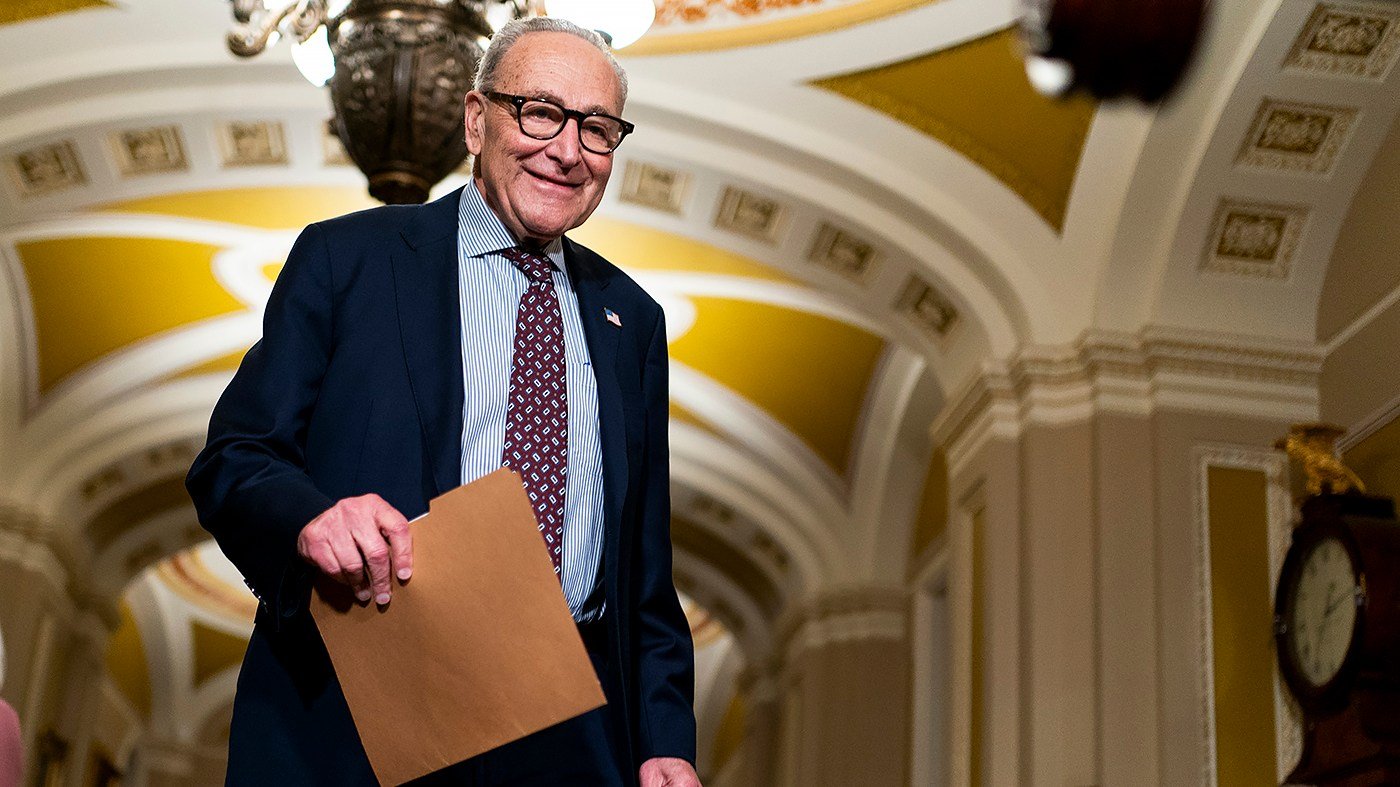
Schorr's inbox and voicemail are flooded with pleas from both sides of the aisle—from J.D. Vance, Ted Cruz, Chuck Schumer, Bernie Sanders, Jim Jordan, and Kamala Harris, among dozens of others. They all claim to respect his opinion, want him on their "Inner Circle," or need his "advice"—but the underlying message is always the same: send money. Even the Vaccine Advisory Board has chastised him for not responding, and the mayor of Chicago has reached out for support.
The tactics are often manipulative. One message asked, "Do you want Donald Trump's face on your money? Please complete the poll or be marked yes." Another from Michael Whatley, chair of the Republican National Committee, flattered him as a "battle-tested patriot" whose name was "at the very top of the ledger." Schorr has received up to 10 texts and eight emails in a single day, and blocking numbers does little to stop the deluge—Jeffries alone has contacted him from six different phone numbers.
Schorr's frustration peaked when he donated to a politician and then saw an upsurge in requests. He wrote to her, asking for a guarantee that his name wouldn't be shared, but received no response. This raises a legitimate question: is this aggressive fundraising approach effective, or does it simply alienate potential supporters?
In a political climate where voters are increasingly turned off by partisan appeals, Schorr's proposal is a form of protest. He suggests that every time you receive a fundraising message, you reply with your own request for money. He's even drafted sample responses, such as: "Hello Fellow Patriot, I am several thousand dollars short of my first of the month funding deadline. Would you be willing to send me a few hundred dollars?"
Another example: "Dear Concerned Citizen, My landlord has raised my rent, the cost of fuel is soaring, and a trip to the grocery store tests my credit card balance. Can you help me with this dire financial crisis?" He even suggests a tongue-in-cheek version that mimics the classic political ask: "Are you willing to contribute as little as $100 to help get us back on track?"
Schorr recommends including your Zelle, Venmo, or PayPal information in these replies. He acknowledges that you probably won't receive a cent, but the goal is to be as annoying to them as they are to us. He even muses about turning it into a group effort, though he notes the name "Citizens United" is already taken.
The idea taps into a broader frustration with the increasingly aggressive and often misleading tactics used in political fundraising. Whether it's the use of government funds for political ads or the warnings against such practices, the lines between campaigning and governing are often blurred. Schorr's call to action may be humorous, but it highlights a real concern about the state of political engagement.
As the 2024 election cycle heats up, voters can expect even more of these appeals. Whether they'll start asking for money back remains to be seen, but Schorr's suggestion is a reminder that the relationship between candidates and citizens is a two-way street—or at least it should be.