TIME Magazine unveiled its 2024 roster of the world's 100 most influential people on Wednesday, with figures from President Donald Trump's political orbit claiming significant representation. The selection, compiled from global reporter and source recommendations, spans politics, business, and the arts, offering a snapshot of current power dynamics.
Administration Figures and Succession Politics
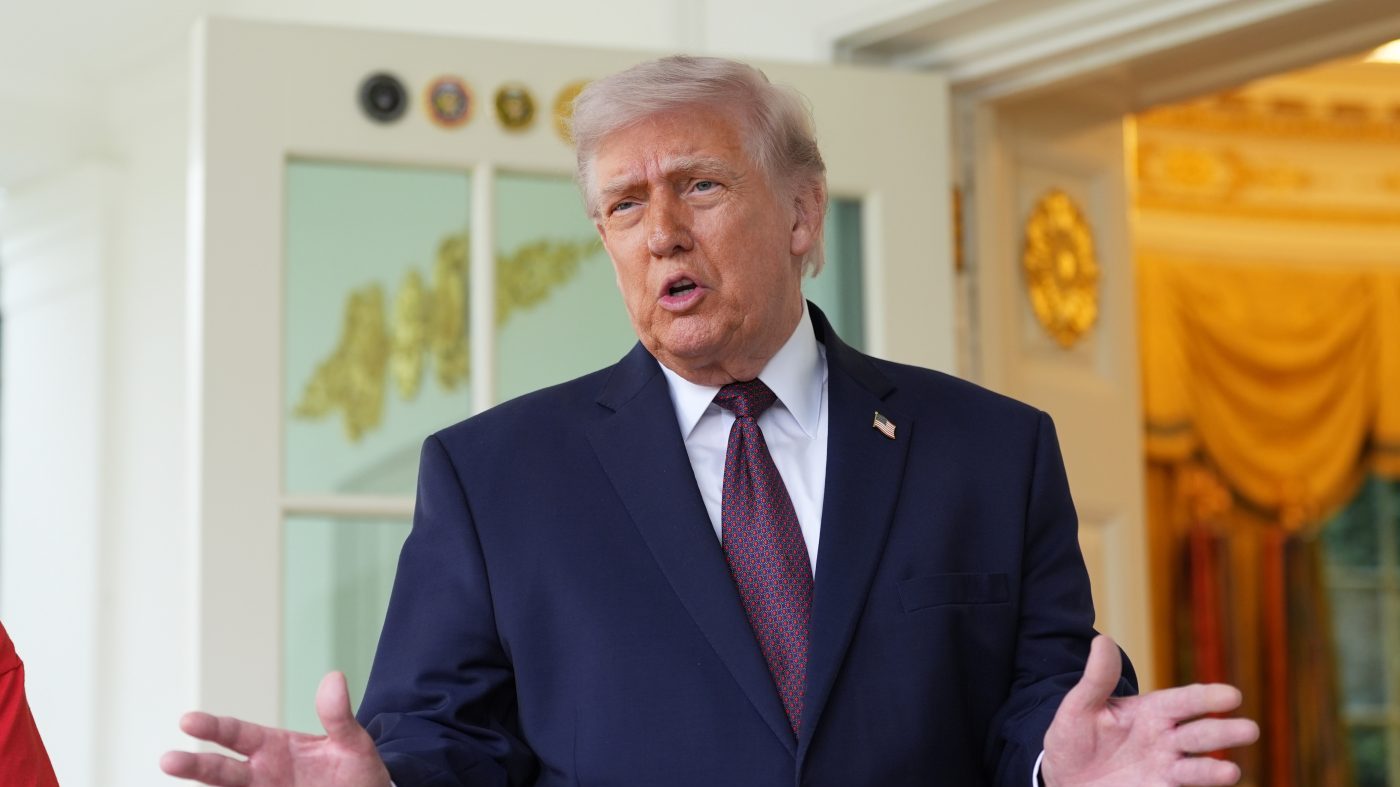
President Trump appears on the list alongside several high-ranking officials. These include Secretary of State and National Security Advisor Marco Rubio, Middle East special envoy Steve Witkoff, White House Chief of Staff Susie Wiles, and Joint Chiefs of Staff Chairman General Dan Caine.
Rubio's profile draws particular attention for his political evolution. TIME correspondent Philip Elliott notes his "nimble shift from Trump critic to the executor of Trump's foreign policy," a move that has mended his standing with the MAGA base and potentially positioned him to lead the Trumpist movement in the future. Rubio and Vice President J.D. Vance are widely viewed as the leading contenders for the Republican nomination in 2028, when Trump is term-limited. This comes as the White House promotes its economic agenda ahead of the next election cycle.
International Allies and Adversaries
The list also features international leaders aligned with Trump's policies. Israeli Prime Minister Benjamin Netanyahu and Japanese Prime Minister Sanae Takaichi are included, with Netanyahu's entry citing coordinated U.S.-Israeli strikes against Iran in late February during nuclear negotiations.
Conversely, several of Trump's prominent critics received recognition. California Governor Gavin Newsom, a frequent antagonist of the administration, is noted for his "withering criticism" of the president and is anticipated to be a top Democratic candidate in 2028. Other political opponents listed are New York City Mayor Zohran Mamdani, Arizona Senator Mark Kelly, and Minneapolis Mayor Jacob Frey.
Global Diplomatic Frictions
The selection underscores ongoing diplomatic tensions. Canadian Prime Minister Mark Carney and Pope Leo XIV are named, both having clashed with Trump over the Iran conflict. Following the February strikes, Carney labeled the military action a "failure of the international order." The Pope has broadly urged an end to violence and a return to negotiations.
Trump has accused the pontiff of believing Iran should possess nuclear weapons and called him "weak" on crime, to which Pope Leo responded that he harbored "no fear" of the administration. This public rift echoes other conservative discomfort with the Vatican's stance on foreign policy.
Broader Political Context
The list functions as a barometer of current influence, heavily weighted toward figures engaged in the defining political battles of the moment. The prominence of potential 2028 successors like Rubio, Vance, and Newsom suggests TIME's editors are looking toward the next presidential cycle even as they assess the current landscape.
The inclusion of officials like Witkoff and Caine also highlights the administration's focus on national security and foreign policy, areas where the president has proposed significant defense spending increases. Meanwhile, domestic critics on the list reflect the enduring political polarization that defines the era.