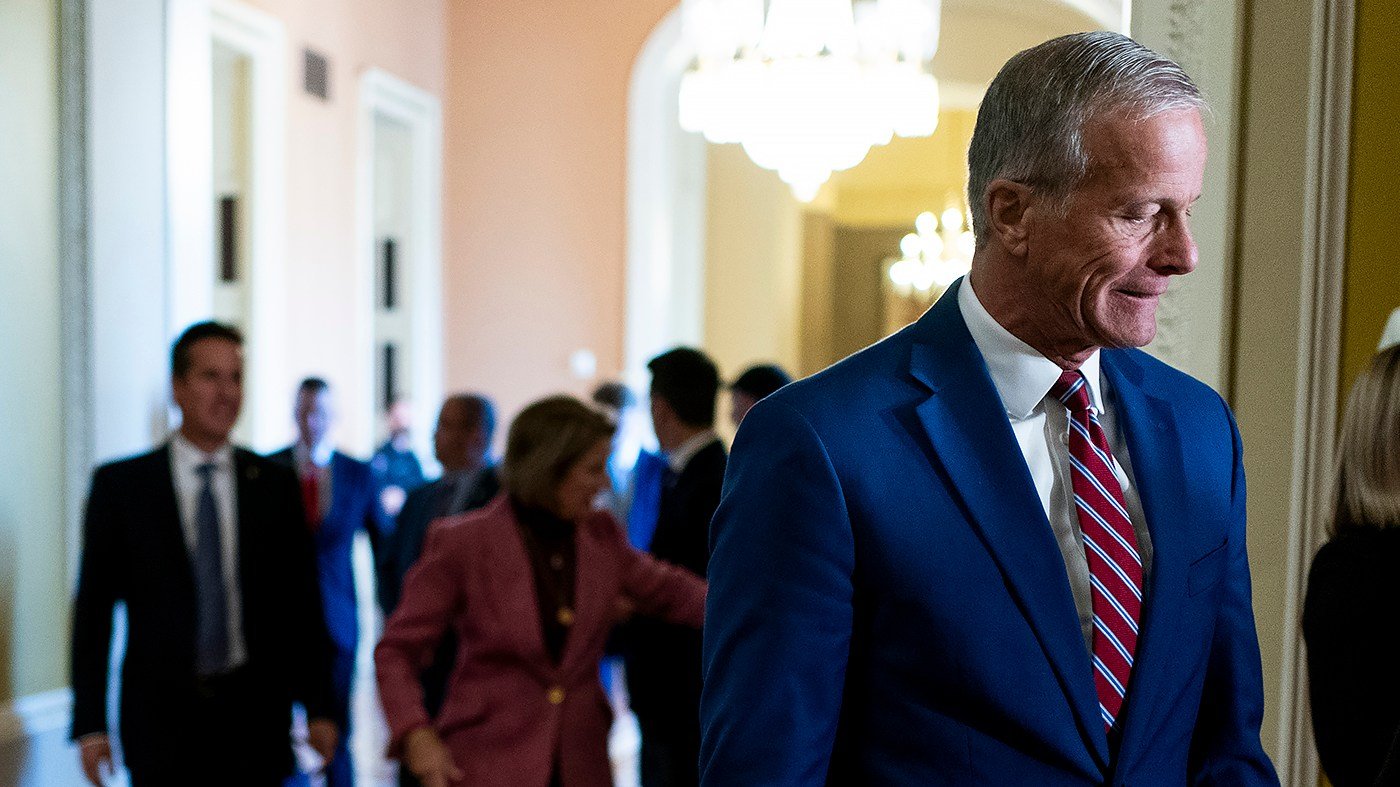
Senate Majority Leader John Thune (R-S.D.) is treading carefully on a budget reconciliation package aimed at delivering $350 billion in new Pentagon funding, wary that a Democratic-led assault on last year's Medicaid reforms could split his conference and doom the effort.
The package, which President Trump has demanded, would rely on the same reconciliation process that Republicans used to pass the One Big Beautiful Bill Act—a sweeping tax and spending law that included changes to Medicaid projected to save up to $1 trillion over a decade. Thune has repeatedly touted those changes as a key GOP achievement in curbing government growth, but he now faces a delicate math problem: holding his slim majority together while Democrats test the loyalty of moderate Republicans.
Senate Budget Committee Chairman Ron Johnson (R-Wis.) acknowledged the risk, saying, "We think we have colleagues in our midst who would try to overturn some of that stuff." Johnson defended the Medicaid adjustments as "modest reforms" that merely "bring the spending curve down a little bit," but some Republicans are nervous about the impact on rural hospitals and state budgets.
Sen. Josh Hawley (R-Mo.) said he supports the work requirements included in the law but opposes provisions that limit provider taxes and state-directed payments—measures that rural hospitals rely on. "I'm for the work requirements, but I imagine Democrats would want to reverse the provider tax for rural hospitals—I want to reverse the provider tax for rural hospitals," Hawley told The Hill. He also said he would demand a vote to defund Planned Parenthood as a condition for supporting the budget process.
The political stakes are heightened by the upcoming change in Senate composition. Sen.-elect Sherrod Brown (D-Ohio) is set to replace Republican Sen. John Husted by Dec. 15, shrinking the GOP majority to 52 seats just as the reconciliation bill is expected to hit the floor. Sen. Mike Rounds (R-S.D.) noted that many of last year's savings provisions passed by only a single vote, meaning any defection could be fatal. "Even if everybody voted the same, we would lose those votes because we're short one member by the 15th of December. It's just a matter of math," Rounds said.
Rounds stressed that unraveling the Medicaid and SNAP reforms would jeopardize popular tax cuts, such as the elimination of taxes on Social Security benefits and tips. "If you start chipping away at all the provisions of it, it makes other areas more difficult to continue on," he said.
Thune has been privately gauging support, telling reporters, "We're talking to all of our members and getting an assessment of where folks ultimately will come down." The challenge is not just securing 51 votes to open debate but also fending off a series of Democratic amendments designed to strip out core elements of the Trump agenda.
The political environment is not helping. A KFF analysis of The Voter Poll by SSRS found that voters concerned about health care costs favored Democratic candidates by a 2-to-1 margin in key Senate battlegrounds, and six in 10 midterm voters said they were "very concerned" about health care costs. That dynamic could make it easier for Democrats to peel off Republican votes, especially from senators facing tough re-elections or those already on their way out.
Sen. Susan Collins (R-Maine), who lost her re-election bid, and retiring Sen. Thom Tillis (R-N.C.) have both signaled wariness about steep Medicaid cuts, while Sen. Lisa Murkowski (R-Alaska), who faces re-election in 2028, is also seen as a potential defector. With the margin so thin, Thune's ability to deliver the Pentagon funding may hinge on whether he can convince these skeptics to hold the line—or whether he decides to delay the fight altogether.
As the lame-duck session approaches, the GOP's internal divisions over fiscal policy are colliding with Trump's demand for a defense boost, creating a high-stakes test for Thune's leadership. The outcome could shape not only the Pentagon's budget but also the fate of the party's signature tax cuts.