Justice Clarence Thomas stands as a unique figure in American jurisprudence—if he serves two more years, he will surpass all predecessors in longevity on the Supreme Court. Yet his singular place in history is now shadowed by tragedy, as his tenure coincides with a record decline in public confidence in the judiciary.
Thomas's legacy is twofold: he is central to the court's eroding credibility, and as the most prominent Black Republican in national politics, he has undermined trust in Black conservatives as a source of fresh ideas on racial issues. His story is being amplified by a fawning biography from Senator Ted Cruz, which topped bestseller lists, but the justice's actions speak louder than any hagiography.
Recently, Thomas was one of only two justices to support President Trump's effort to restrict mail-in voting, a move critics say was designed to skew the midterms in Republicans' favor. He also voted to weaken the Voting Rights Act, paving the way for the elimination of Black-majority districts in a GOP push to hold the House. These votes, alongside his refusal to recuse himself from January 6 cases despite his wife's activism, have cemented his role in the court's politicization.
The ethical cloud over Thomas grew after investigative reports revealed he accepted undisclosed luxury vacations, tuition help for a relative, and real estate funding for his mother from wealthy Republican donors. This scandal has fueled Democratic proposals for ethics codes, term limits, and even court expansion, as liberals push for greater transparency on the emergency docket.
Thomas's approval ratings have cratered, mirroring the court's overall standing. Gallup polls show approval at a record low of 33%, with a majority of Americans viewing the justices as politically motivated. Even Republican approval has slipped 21 points since 2025, a surprising shift for a court with a six-member conservative majority.
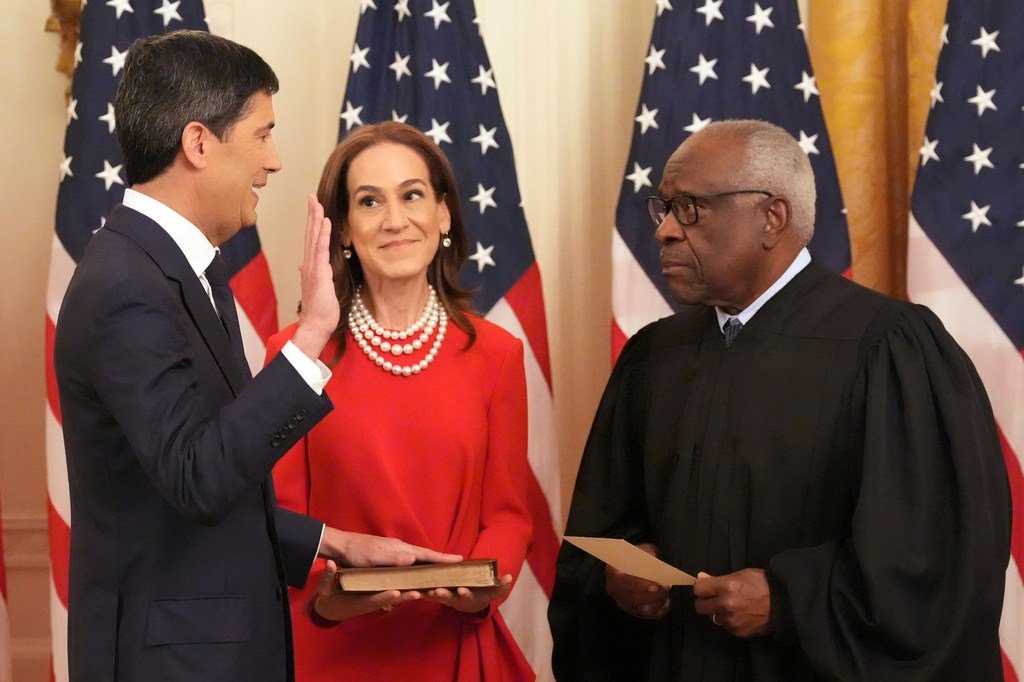
His closeness to Trump is another defining feature. Thomas has officiated at swearing-ins for top administration officials, a role typically reserved for the vice president, including the recent ceremony for Federal Reserve Chair Kevin Warsh. This alliance comes as Trump's favorability sits at just 29%, further tainting Thomas's public image.
History will also note Thomas's pivotal role in ending constitutional protections for abortion rights, despite his earlier pledges to respect precedent. That decision, along with the court's handling of election-related cases, has accelerated the perception of partisanship. As Justice Jackson has warned, emergency rulings are damaging the court's credibility.
Thomas's influence extends to a new generation of Black Republicans, including Leo Terrell at the Justice Department, scandal-tainted Herschel Walker as ambassador to the Bahamas, and Representative Byron Donalds running for Florida governor. These figures lack the intellectual heft of earlier Black conservatives like Thomas Sowell or Condoleezza Rice, reflecting a diminished brand.
Liz Cheney's warning to Republicans defending the indefensible resonates here: "There will come a day when Donald Trump is gone, but your dishonor will remain." Thomas may be historic, but his most enduring legacy will be the erosion of trust in the Supreme Court and the urgent calls for reform to restore its integrity.