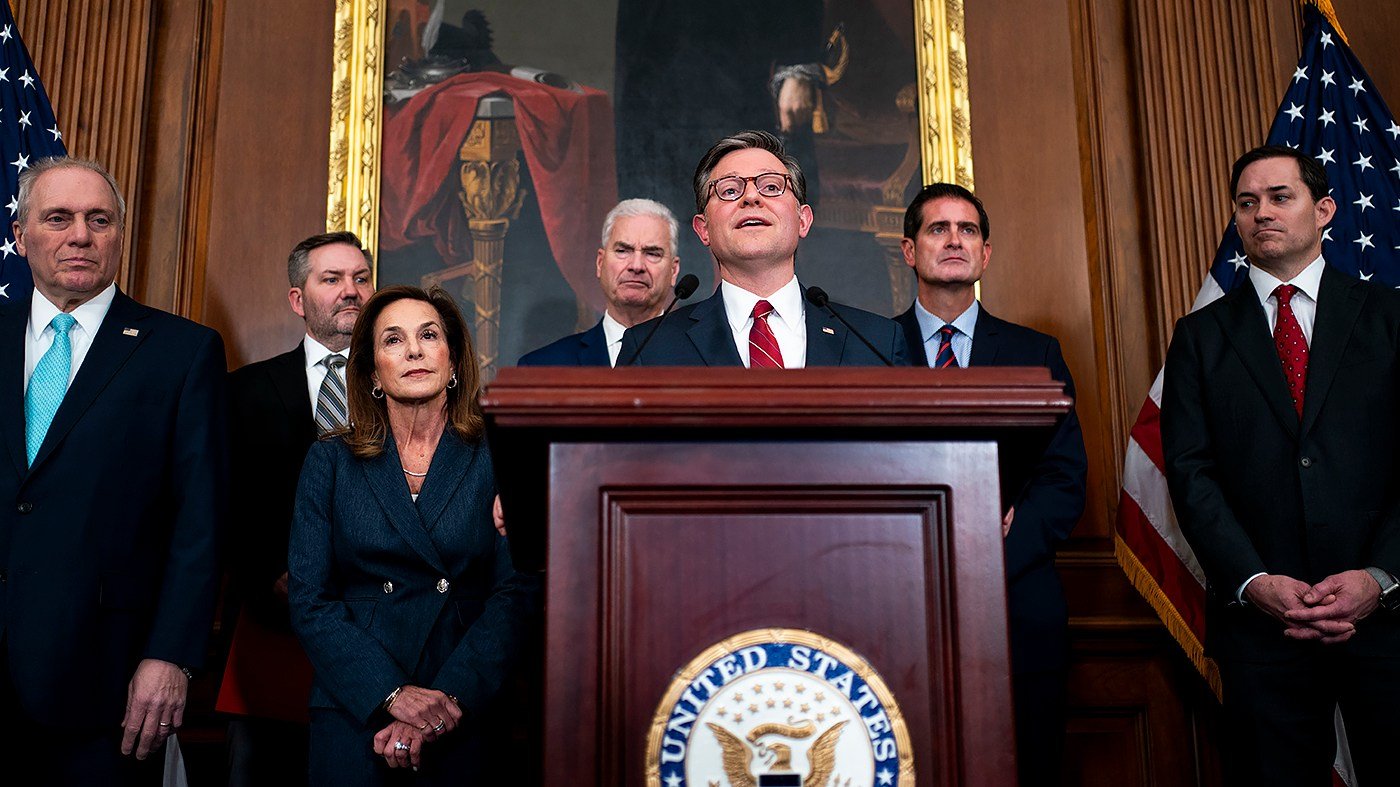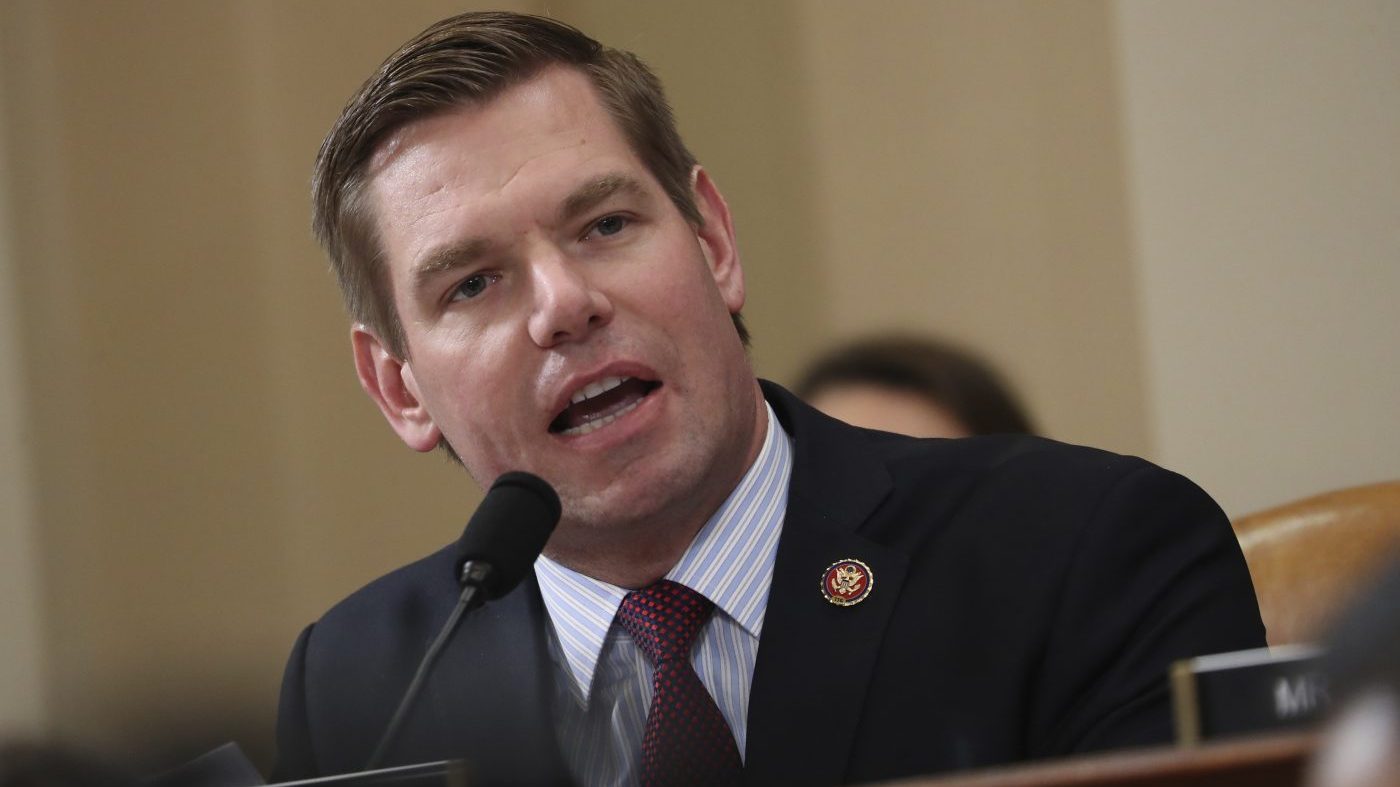
Democratic Congressman Eric Swalwell of California announced his resignation from the House of Representatives on Monday, stepping down amid mounting allegations of sexual assault and misconduct from multiple women. The move preempts a planned expulsion vote and follows his abrupt withdrawal from California's gubernatorial race.
Resignation Statement and Denials
In a statement, Swalwell expressed regret for past "mistakes in judgment" while vowing to contest what he called a "serious, false allegation." He framed his resignation as a necessary step to prevent his constituents from having a distracted representative, while also criticizing efforts to expel members without due process. "I must take responsibility and ownership for the mistakes I did make," he wrote, though he did not specify their nature.
Allegations Trigger Political Crisis
The political crisis erupted last week when The San Francisco Chronicle published an account from a former aide alleging Swalwell sexually assaulted her on two separate occasions. Shortly after, CNN reported three additional women had come forward with separate allegations of sexual misconduct. The rapid succession of reports created immediate pressure on the congressman from both sides of the aisle.
Swalwell ended his campaign for California governor on Sunday after prominent endorsements were withdrawn. His resignation from Congress followed less than 24 hours later, as the House Ethics Committee announced it was launching a formal investigation. The scandal had threatened to dominate the House floor this week, with Republican Rep. Anna Paulina Luna of Florida vowing to force a vote on a resolution to expel him. Luna had claimed she had the votes necessary for expulsion, a move some Democrats appeared ready to support if paired with the expulsion of a Republican member facing ethics issues.
Broader House Ethics Purge Looms
The Swalwell case had become the focal point for a potential wave of House ethics actions. Lawmakers were bracing for possible expulsion votes targeting not only Swalwell but also Republican Rep. Tony Gonzales of Texas, who is embroiled in his own scandal. Further votes concerning Reps. Cory Mills (R-Fla.) and Sheila Cherfilus-McCormick (D-Fla.) were also under discussion, indicating a rare moment of bipartisan pressure for accountability. Calls for resignations had mounted from both parties in recent days.
Swalwell's departure immediately reshapes the political landscape in his California district and concludes the congressional career of a once-rising Democratic figure who served on the House Intelligence and Judiciary Committees. His exit also leaves a vacancy that will be filled through a special election, adding another competitive race to the national map.
Fallout and Investigation
The House Ethics Committee's investigation will continue despite his resignation, as the panel has jurisdiction over former members for actions taken during their service. The allegations, if substantiated, could have longer-term legal and political consequences for Swalwell beyond his congressional career.
The swift unraveling of Swalwell's political standing—from gubernatorial candidate to resigned congressman in a matter of days—highlights the intense, immediate scrutiny facing elected officials accused of misconduct in the current political environment. His case demonstrates how such allegations can rapidly consolidate bipartisan pressure for resignation, making a prolonged defense in office increasingly untenable.