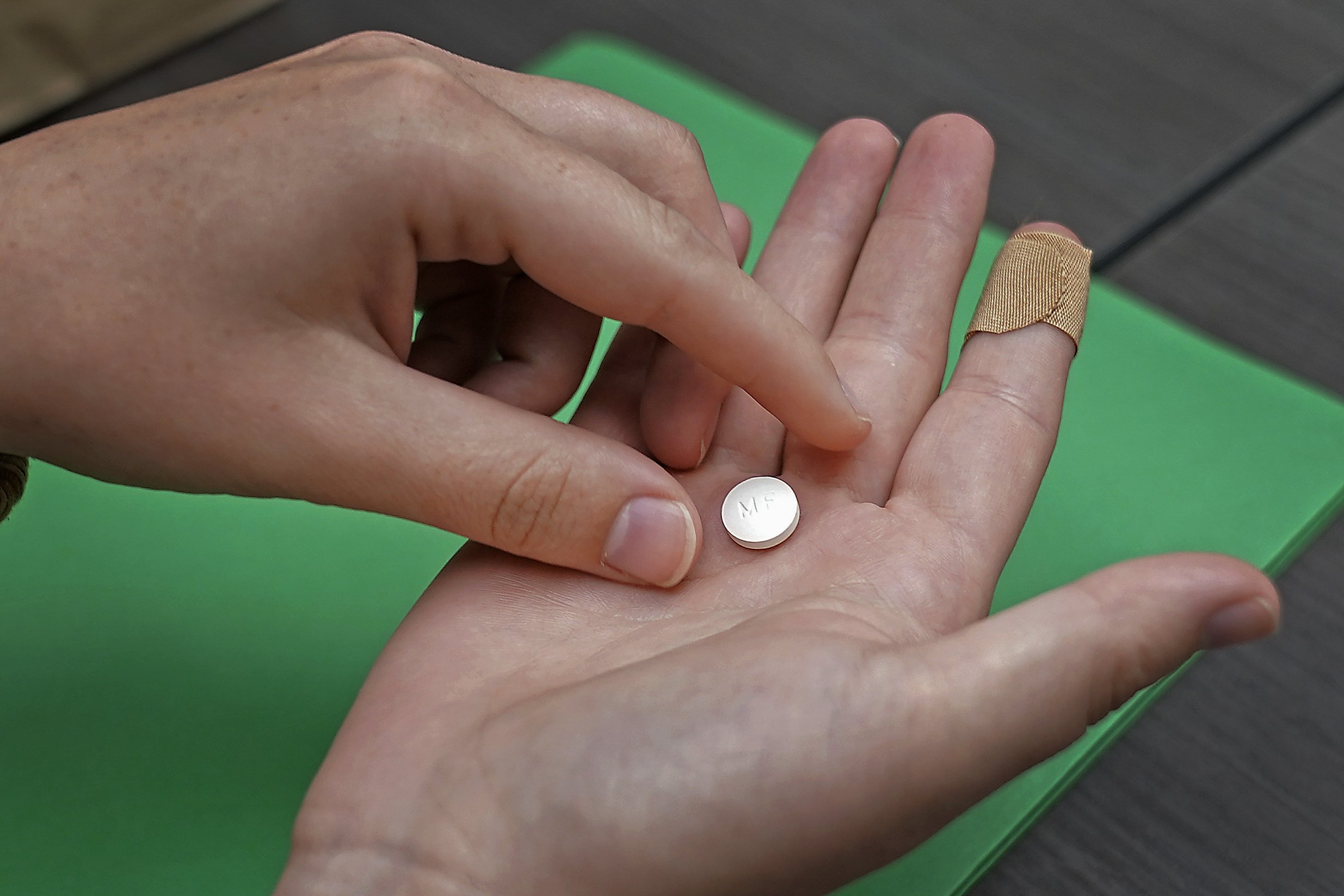
When a federal court paused nationwide mail-order distribution of abortion drugs, it triggered a flood of memories for one woman who nearly died from the same medication at age 19.
Now 25 and working as a sterile processing surgical technician while studying nursing, she recalls the blood, pain, and isolation she felt when complications arose. Her story underscores a fierce debate over whether the FDA's pandemic-era policy allowing abortion pills by mail prioritizes politics over patient safety.

She became pregnant during her freshman year of college and sought an abortion at a clinic. After an ultrasound confirmed she was nine weeks along, staff described the process as akin to a heavy period. She took the first set of pills on-site and was sent home with the second dose.
“My experience didn’t happen through the mail. I had an actual ultrasound, I was physically present. There was at least some level of medical oversight,” she said. “Even with that, everything went terribly wrong.”
After taking the second batch at home, she began bleeding heavily and passing clots. The pain became unbearable. She returned to the clinic, where another ultrasound suggested everything was fine. The next morning, her mother rushed her to the emergency room. Doctors discovered retained pregnancy tissue and performed emergency surgery. She went into septic shock and spent a month and a half in a coma.
Life-saving measures included an ECMO machine, multiple blood transfusions, and a neck stent. Recovery required daily nursing visits for wound care and occupational therapy to relearn basic tasks. She also struggled with depression and trauma, undergoing therapy to process the ordeal.
“I’m grateful to be alive,” she said. “But what happened to me took place under the old system with more oversight. If I nearly died despite seeing a provider in person, how much more risk do women face when these drugs are ordered online and taken at home without screening?”
The legal battle over mail-order abortion pills has intensified. In Louisiana v. FDA, a man allegedly bought the drugs online and coerced his girlfriend into taking them. She is now suing the FDA for allowing the mail-order process. Meanwhile, the maker of mifepristone has rushed to the Supreme Court to preserve telehealth access, while Democrats vow to fight after an appeals court blocked the practice.
She insists she is not telling other women what to do, but believes they deserve the full picture. “At the very least, our leaders should ensure that no woman is forced to face these risks alone.”