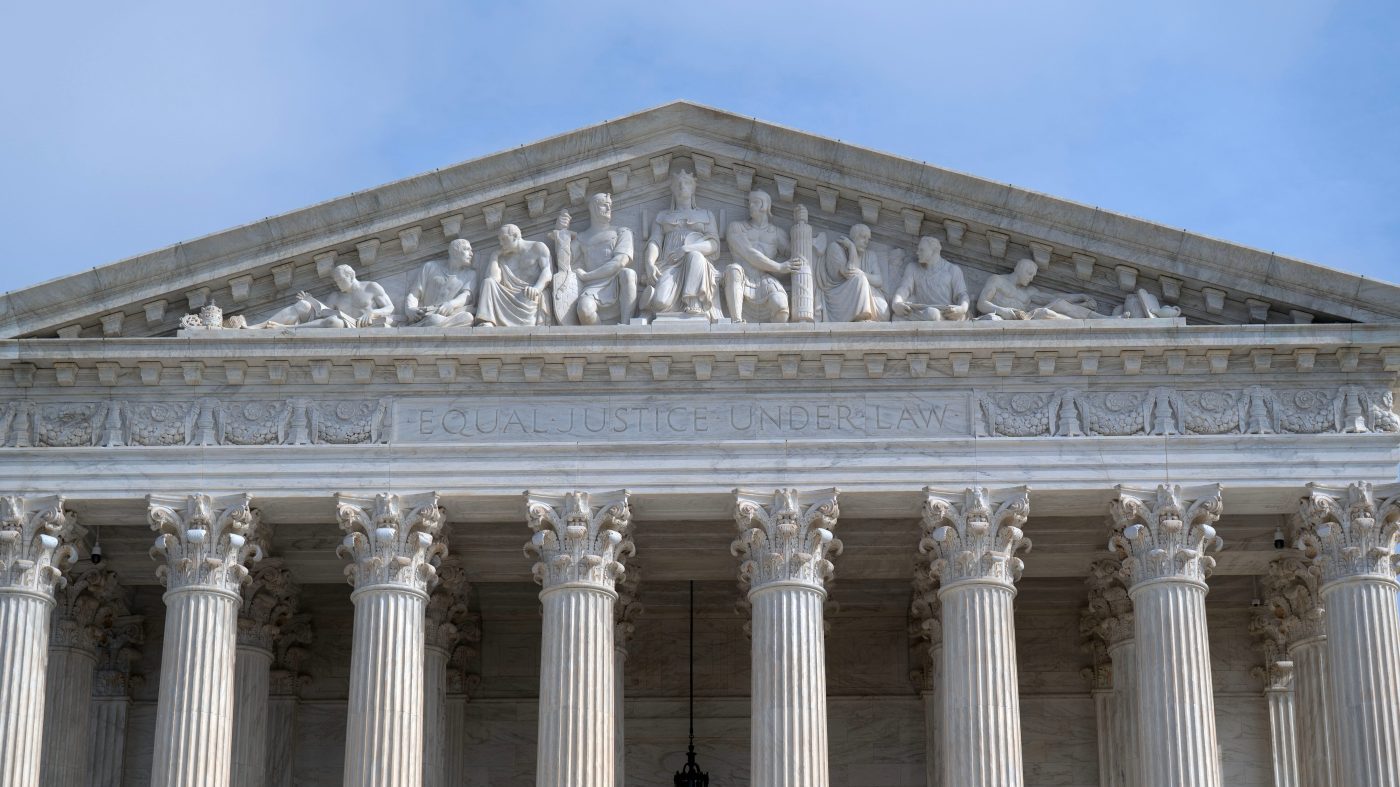
The U.S. Supreme Court delivered a unanimous ruling Wednesday that significantly limits when internet service providers can be held financially responsible for copyright infringement committed by their customers. The decision overturns a lower court ruling that had placed Cox Communications on the hook for potentially billions in damages for failing to disconnect subscribers accused of illegally downloading music.
Writing for the court, Justice Clarence Thomas stated that a company cannot be held liable as a copyright infringer "merely providing a service to the general public with knowledge that it will be used by some to infringe copyrights." The ruling establishes that plaintiffs like Sony must prove an ISP actually intended its service to be used for infringement or specifically tailored it for that purpose.

Rejecting the "Repeat Infringer" Theory
The case originated from a 2018 lawsuit where Sony Music Entertainment and other major labels accused Cox of failing to terminate accounts of customers who repeatedly downloaded copyrighted music without permission. A trial court initially awarded Sony a staggering $1 billion judgment against the telecommunications giant.
Justice Thomas explicitly rejected the theory that Cox could be held liable simply because it refused to disconnect customers it allegedly knew were repeat infringers. "A lower court got it wrong in putting Cox on the hook for damages," Thomas wrote, emphasizing that knowledge of infringement alone doesn't establish liability under existing copyright precedents.
Broader Implications for Digital Economy
The ruling carries significant implications beyond the music industry, potentially affecting everything from social media platforms to online marketplaces. First Amendment and civil rights groups had warned that holding ISPs liable for user behavior could threaten free speech online and create dangerous precedents for content moderation.
The case involved approximately 57,000 Cox customer accounts accused of infringing over 10,000 copyrighted works. The Supreme Court's intervention came after the U.S. Court of Appeals for the 4th Circuit partially overturned the original $1 billion award in 2024, but maintained Cox's potential liability under a "contributory infringement" theory.
Administration Weighs In on Universal Access
The Trump administration had backed Cox in the case, warning that finding the company liable would threaten universal internet access. In court filings, administration lawyers argued the lower court's approach "does not distinguish between a single user's account, a family account with multiple members, a university account shared by thousands of students, or a regional ISP that uses Cox's services."
This case represents another instance where the Trump administration has intervened in high-stakes legal battles with significant policy implications. The administration's position aligned with Cox's argument that the company doesn't profit from illegal activity and explicitly prohibits infringement in its terms of service.
Partial Victory with Ongoing Battles
While Wednesday's decision represents a major victory for Cox and the telecommunications industry, it doesn't completely resolve the case. The 4th Circuit had only rejected one of Sony's two legal theories, leaving Cox potentially liable for "contributory" copyright infringement regarding specific users the company knew were infringing but didn't terminate.
The Supreme Court's ruling continues a pattern of the justices addressing complex questions about liability in the digital age. This decision follows other significant rulings where the court has clarified liability standards in contentious areas of law, balancing competing interests between rights holders and service providers.
The music industry had viewed the case as crucial for enforcing copyright protections in the digital era, while telecommunications companies warned that excessive liability could force them to aggressively monitor and restrict customer internet access. The unanimous nature of the decision suggests the justices found clear legal principles at stake, avoiding the ideological divisions that have characterized other recent rulings.
As digital platforms continue to dominate economic and social life, this ruling establishes important boundaries for when service providers can be held responsible for user misconduct. The decision may influence ongoing debates about platform liability that extend far beyond copyright into areas including defamation, harassment, and illegal content distribution.