The Supreme Court is being asked to decide whether Virginia can strip a college student of a state tuition grant simply because she chose to study for religious ministry instead of a secular subject. The case, Hall v. Fleming, pits the state's Virginia Tuition Assistance Grant program against the First Amendment's guarantee of free exercise of religion.
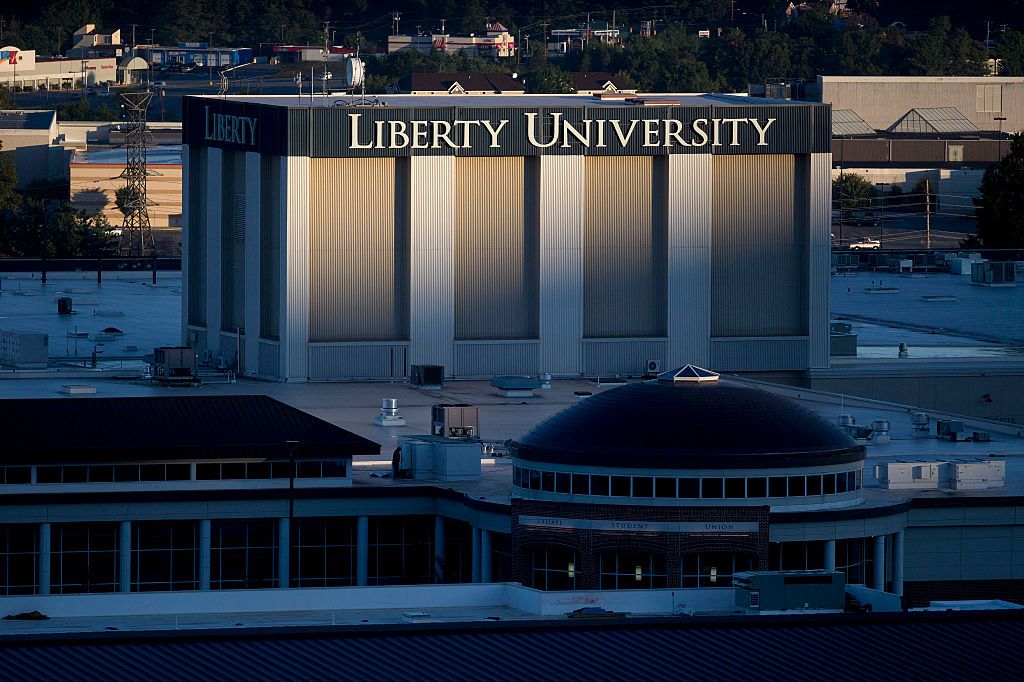
Bethany Hall, a student at Liberty University, initially received the grant while majoring in Music Education: Choral. But when she felt called to ministry and switched to Youth Ministries, then Christian Leadership and Church Ministries, and finally Music and Worship, the state deemed those programs too religious and cut off her aid. Hall continued in her chosen field, paying the tuition herself rather than abandon her religious vocation.
The core question: Can a state deny a generally available education benefit to a student who pursues a religious degree, while granting it to a student studying the same subject in a secular context? Virginia's program excludes "religious training" and "theological education," even though students at religious universities are otherwise eligible.
This is not the first time the Court has confronted such a line. In Locke v. Davey (2004), the justices upheld Washington state's refusal to fund devotional theology degrees, ruling that states may withhold aid for religious instruction. But since then, the Court has moved sharply in the other direction. In Trinity Lutheran, Espinoza, and Carson v. Makin, the Court held that excluding religious institutions or individuals from generally available public benefits violates the Free Exercise Clause. Carson explicitly rejected the idea that states can evade that rule by framing discrimination as a restriction on "religious use" rather than religious status.
Judge Richardson of the Fourth Circuit, in a concurring opinion, called Locke wrongly decided and urged the Supreme Court to take up Hall's case and overrule it. The full circuit had ruled against Hall, citing Locke as binding precedent.
Hall's lawyers argue that Virginia's program creates an unconstitutional choice: keep your faith and lose your aid, or abandon your calling and keep the money. The state, they say, is in the business of deciding which religious commitments are worthy of equal treatment—a role the First Amendment forbids.
The case arrives as the Supreme Court's new term includes several major religious liberty disputes. If the Court grants review, it could finally resolve the tension between Locke and its more recent precedent.
Steve Fitschen, president of the National Legal Foundation and lead counsel for Hall, said the government should not be able to tell a student that she can have a benefit if she gives up her faith, or keep her faith if she gives up the benefit.
The outcome could affect thousands of students in Virginia and across the country who attend religious colleges and pursue ministry degrees. It also tests whether the Court's conservative majority is willing to explicitly overrule a precedent that many religious liberty advocates have long criticized.