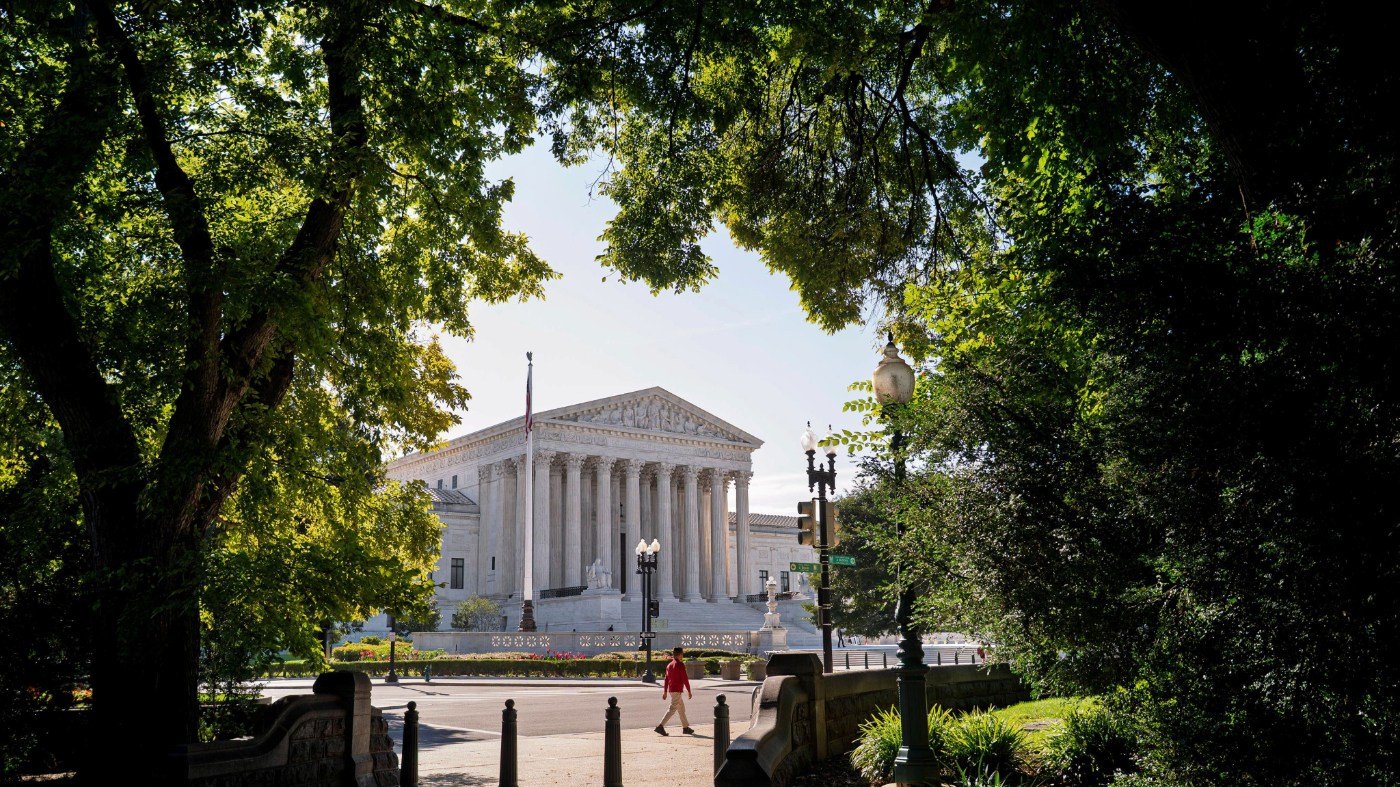
As the Supreme Court wrapped up a contentious term, new polling reveals that live audio of oral arguments is helping to build trust in the institution—particularly among younger voters. The findings, from Pierrepont Consulting and Analytics, suggest that expanding to live video could further counter partisan disinformation.
Awareness and Impact
Awareness of live audio has grown from 46% in 2022 to 55% in 2026, driven entirely by Gen X, Millennial, and Gen Z voters. Among these groups, 63% are now aware of the audio, compared to just 39% of Boomers and older voters—a figure that has barely moved since 2022.
The generational divide is stark. Younger voters are far more likely to encounter Supreme Court news via social media (75%) than traditional outlets, and they are more receptive to the unfiltered audio. Among those who have heard it, 58% of Gen X, Millennial, and Gen Z voters say it gives them a more positive view of the Court, versus just 27% of Boomers.
Why Audio Builds Trust
The effect appears to stem from hearing justices directly, rather than through the filter of journalists or commentators. Digital platforms allow listeners to hear clips of arguments, podcasts, and social media snippets, offering a more direct connection to the Court's work. In contrast, older voters rely heavily on traditional TV news, where partisan framing is more common.
Chief Justice John Roberts has noted that courts are "peculiarly ill-suited" to counter disinformation because judges "typically speak only through their decisions." Live audio—and potentially video—provides a rare opportunity for the public to see and hear the Court in action.
Implications for Cameras
The positive reception of live audio bolsters arguments for allowing cameras in the courtroom. Supporters argue that televised arguments would demonstrate the seriousness of the justices' work, even to those who disagree with rulings. More importantly, video would expand the range of viewpoints available to the public, serving as a counterweight to misleading partisan attacks.
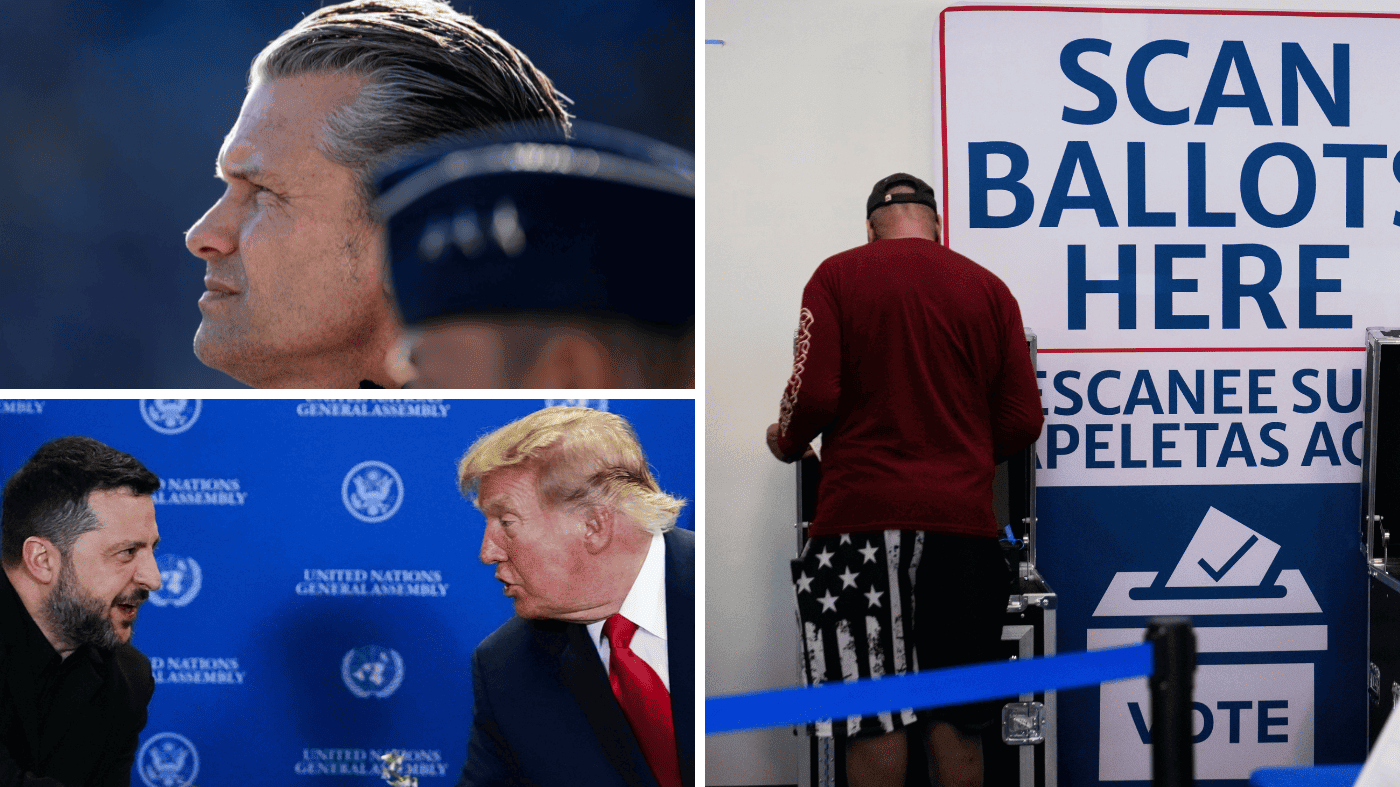
Recent controversies, such as the border asylum ban case and the mail-in voting dispute, highlight the need for greater transparency. The Court's upcoming agenda, including the acting US attorney case, could benefit from the trust-building effect of live video.
While Boomers and older voters remain skeptical, the trend among younger generations suggests that as they age, support for the Court may grow. The push for cameras is likely to intensify, especially as the Court faces decisions that could shape the 2026 midterms and beyond.