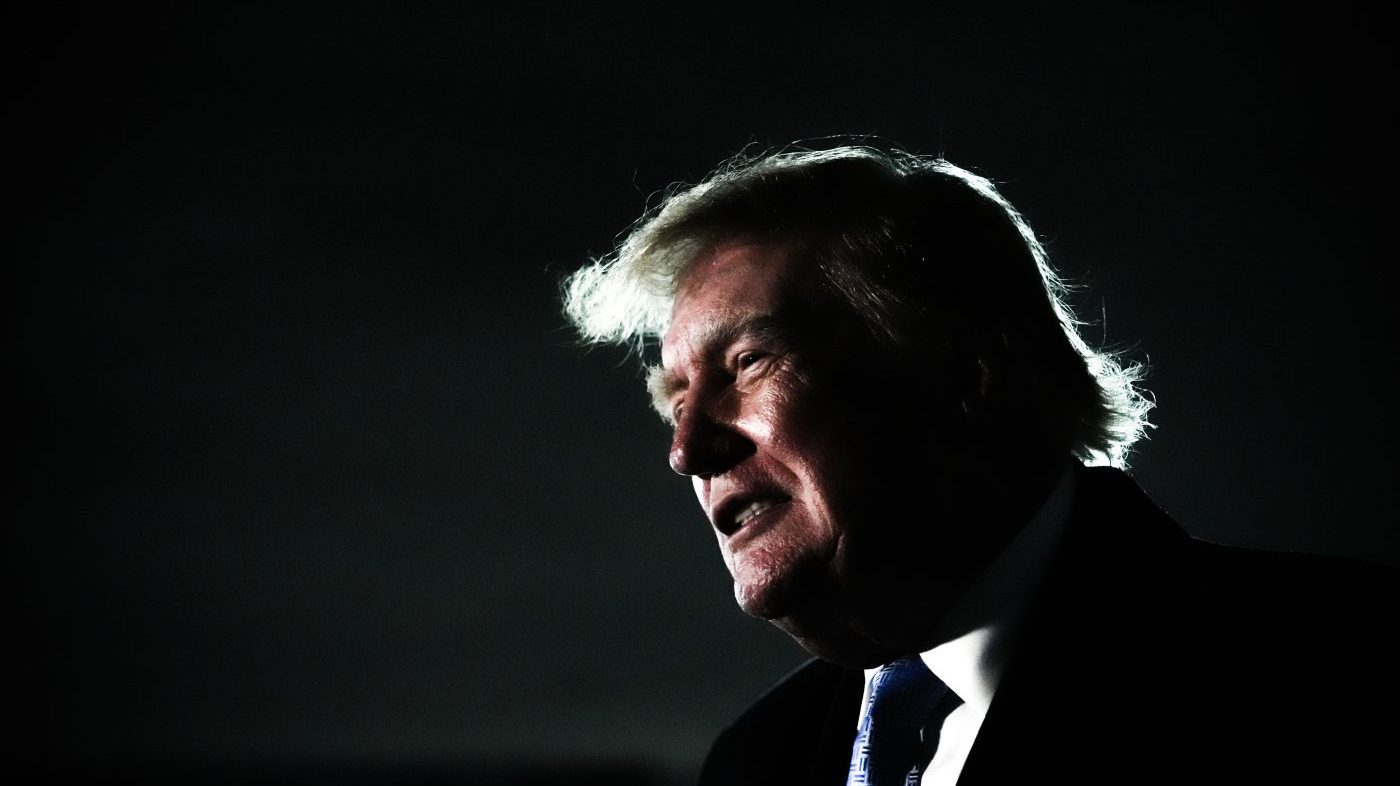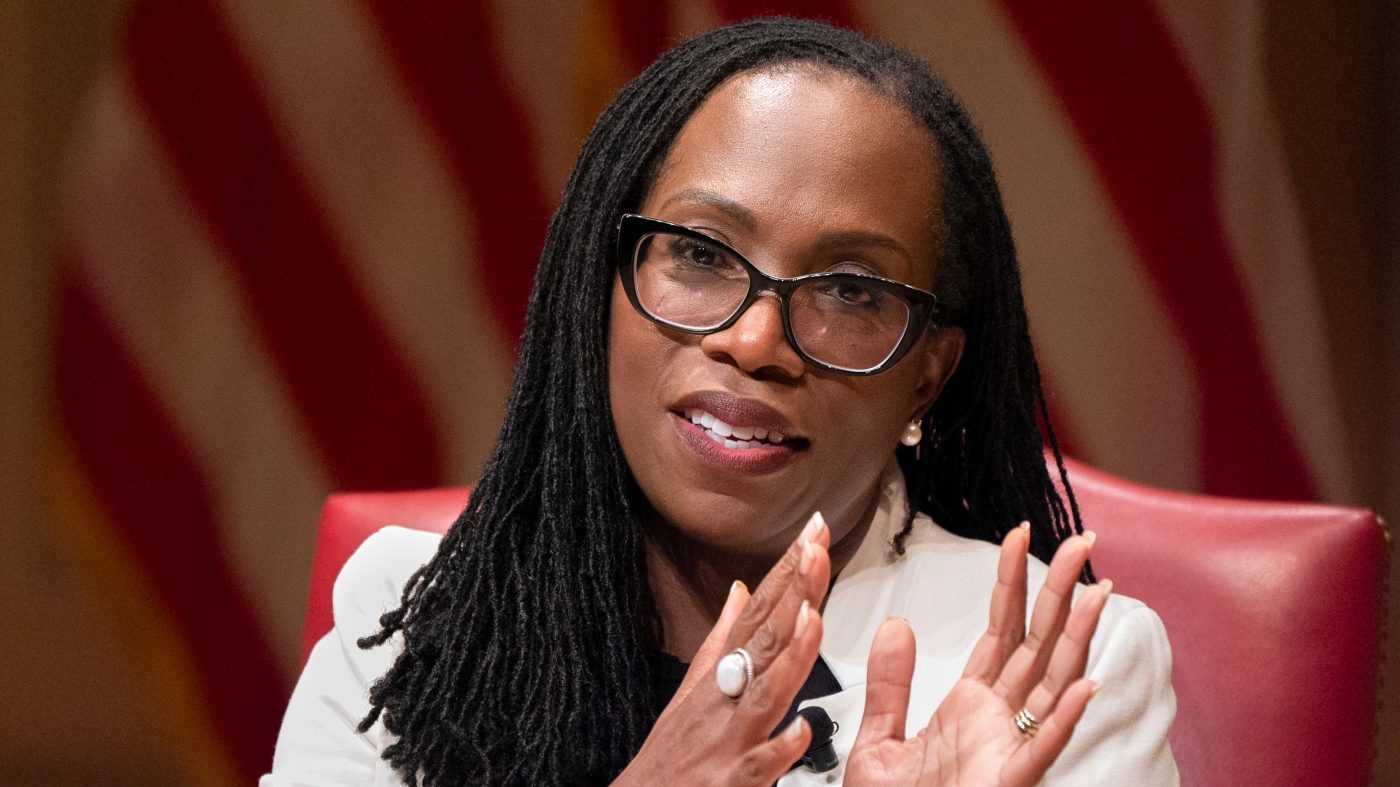
Justice Ketanji Brown Jackson delivered a blistering rebuke of her Supreme Court colleagues on Monday, accusing them of “needlessly inject[ing] chaos” into the 2026 midterm elections by clearing the way for President Trump’s executive order on mail-in voting. In a 23-page solo dissent, the Court’s junior liberal justice argued that the emergency ruling was a grave mistake that “lets another shoe drop in the Kafkaesque nightmare that our precedents have been steadily creating for certain plaintiffs who seek to bring election-related challenges.”
The Court’s decision lifts a lower-court block on Trump’s March executive order, which imposes new requirements on mail-in ballots, including stricter ID verification and shortened return windows. While the ruling is not a final judgment on the order’s constitutionality, it allows the administration to move forward with implementation ahead of the November elections, a development that Democrats and voting rights groups warn could disenfranchise millions of voters.

Jackson, who did not join the dissent penned by Justice Sonia Sotomayor and joined by Justice Elena Kagan, wrote that the case was not a “close call.” She accused her colleagues of lacking “situational awareness” in requiring blue states to wait until the U.S. Postal Service has begun implementing the policy before they can challenge it in court. She likened this to a “Catch-Me-If-You-Can approach,” arguing that it forces states into a legal whack-a-mole that undermines their ability to protect their election processes.
“When the Government’s obvious goal is to interfere with the Plaintiff States’ practices and prerogatives in a manner that the Constitution does not authorize, it is both a serious legal error and a grave misuse of our equitable emergency powers to let the Executive proceed even one step further,” Jackson wrote.
The emergency ruling is the latest in a string of cases where Jackson has taken a sharply adversarial stance against the administration on the Court’s emergency docket. In recent public appearances, she has warned that some of the Court’s decisions could have a “potentially corrosive” effect on the judiciary’s legitimacy. Her latest dissent underscores a deepening ideological rift on the bench, with the conservative majority repeatedly siding with the Trump administration in election-related disputes.
Legal analysts say the decision could have significant implications for how election challenges are litigated in the future, particularly in fast-moving disputes where timing is critical. By requiring states to wait for federal agencies to act before suing, the Court may be erecting new procedural hurdles that make it harder to block executive actions before they take effect. This dynamic is already playing out in related cases, including a USPS move to implement mail-in ballot restrictions despite a court block, and could invite further litigation as the election approaches.
Jackson’s reference to a “Kafkaesque nightmare” echoes concerns raised by voting rights advocates that the Court’s emergency rulings have created a confusing and contradictory legal landscape. In a similar vein, the Court recently cleared the way for the administration to lift a deportation freeze for TPS holders, another emergency ruling that drew sharp dissents from the liberal justices.
The ruling does not address the merits of Trump’s order, and the administration is likely to face further legal challenges as states and advocacy groups seek to block the requirements. However, with the midterms just months away, the practical effects of the decision could be profound, as states scramble to adapt their voting procedures to the new federal mandates.
Jackson’s dissent also highlights a broader debate over the Court’s role in election disputes, with some critics arguing that the conservative majority is expanding presidential power at the expense of state authority. The case is likely to be cited in future challenges, and could become a flashpoint in the ongoing battle over voting rights in America.