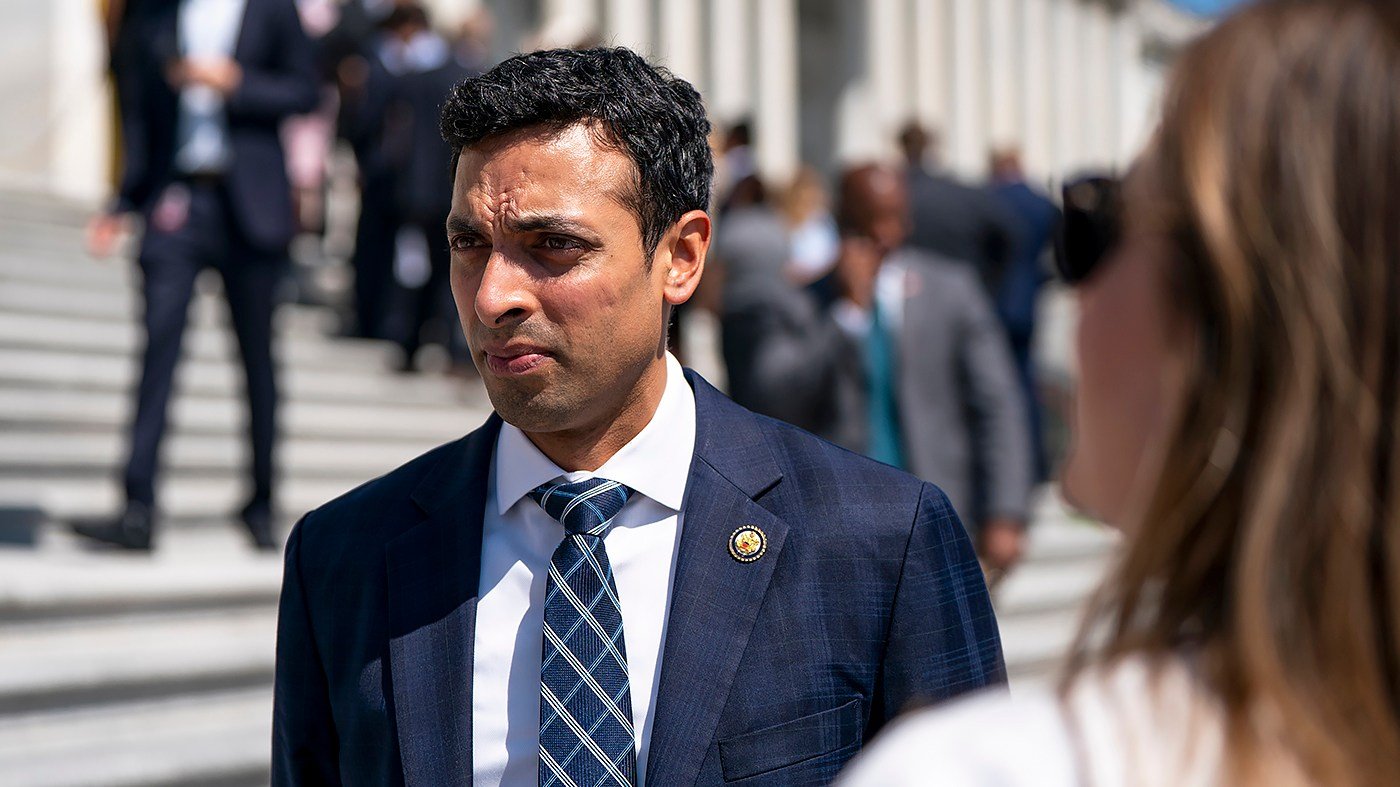
Democratic Rep. Suhas Subramanyam of Virginia, whose district includes a major data center hub, on Thursday advocated for tighter oversight of the industry, but cautioned against measures that would undermine America's competitive edge in artificial intelligence against China.
"The reality is, if we want to grow and develop some of these emerging technologies like AI and others, we will need more data storage and data centers as a part of that. What we don't need is data centers to be steamrolling communities and being put in places that don't want them," Subramanyam told NewsNation's Blake Burman on "The Hill."
Subramanyam, whose Northern Virginia district encompasses Loudoun County—home to one of the world's largest concentrations of data centers—stressed that the current trajectory is unsustainable. "That is a big problem in and of itself, and so, we need to fix this problem," he said. "People talk about the issue with China, but honestly, the people who are seeing their utility bills double and triple don't care about the race against China. And we're going to lose that race because 70 percent of Americans now don't want data centers in their community."
When pressed by Burman on whether the U.S. could lose the technology race to China, Subramanyam acknowledged the risk. "If we continue to do what we're doing on data centers, yes, it will be lost," he said. Asked if that worried him, he replied, "It worries me every single day. That's why I'm out here trying to make us do more sensible policies when it comes to data centers."
He pointed to the financial burden placed on communities that host these facilities. "If we continue making, for instance, the communities pay for the infrastructure for those data centers, that's a big problem, right? And communities are not going to want them, and we're not going to be building them the way that we would need to," he explained.
The debate comes as the U.S. and China vie for dominance in artificial intelligence, but public resistance to data centers has grown, becoming a flashpoint in recent elections at various levels. Candidates are increasingly confronting voter concerns about AI's societal impacts, rising energy costs, and land use conflicts.
Subramanyam's comments reflect a broader tension within the Democratic Party, where some lawmakers are pushing for stricter environmental and zoning rules while others warn against regulatory overreach that could hinder innovation. The issue has also fueled midterm campaign strategies, with candidates on both sides seeking to address voter anxieties.
As the infrastructure for AI expands, the challenge for policymakers like Subramanyam is to balance local concerns with national competitiveness. "We need to find a way to build these facilities responsibly," he said, "so that we don't sacrifice our technological leadership while also respecting the communities that host them."