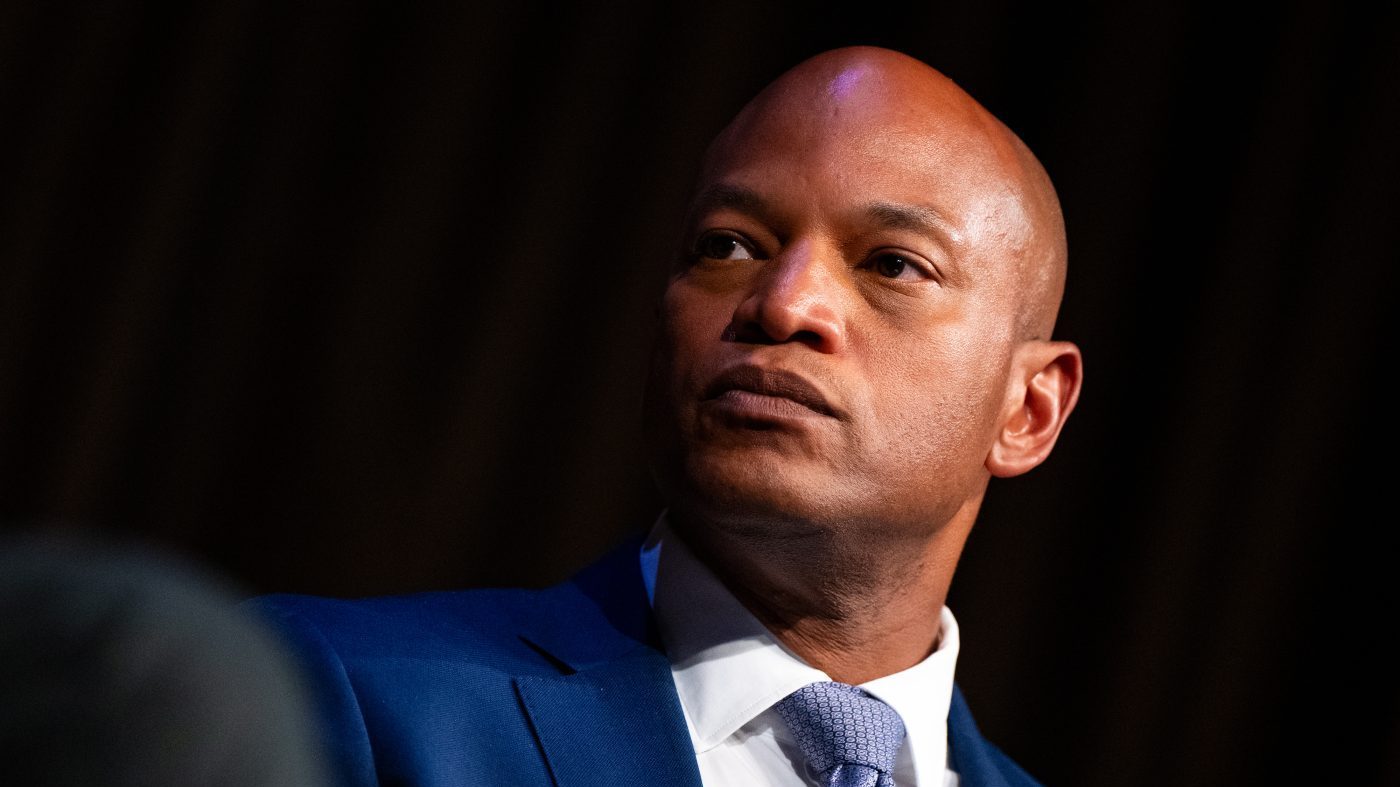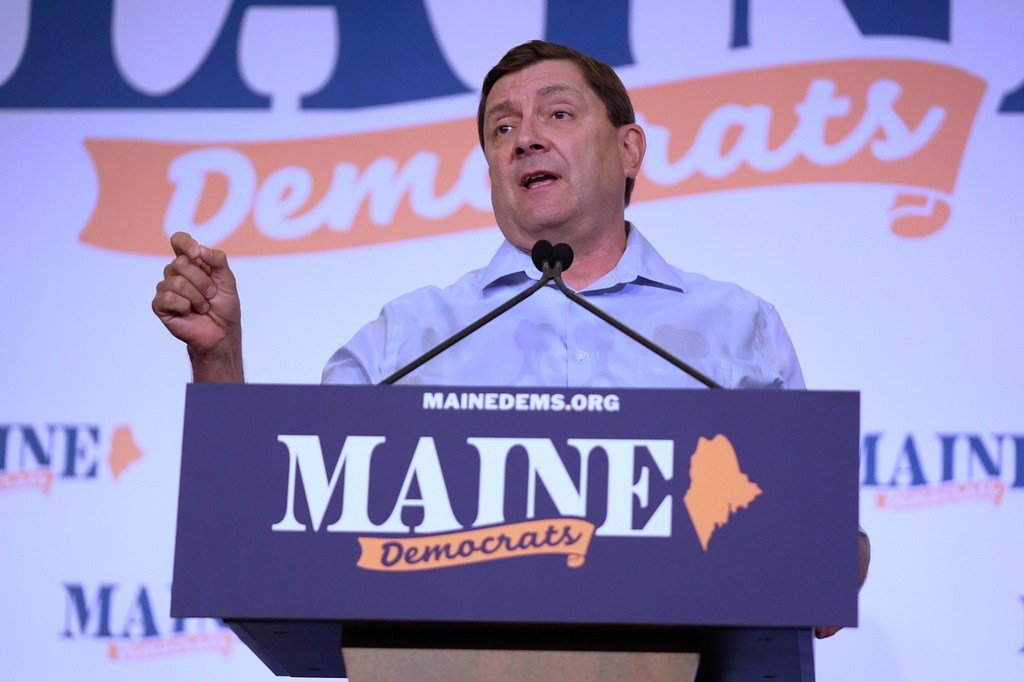
For decades, American voters routinely cast ballots for candidates from both major parties in the same election — a Democratic senator and a Republican governor, for instance. That practice, known as split-ticket voting, largely vanished in the era of intense partisanship. But with Donald Trump's polarizing presence and a series of unpopular Republican policies, political analysts are watching for a comeback of ticket-splitting in the 2026 midterms, one that could scramble the GOP's electoral map.
Split-ticket voting was once a staple of American politics. According to Ballotpedia, the share of states with mixed-party election outcomes peaked in 1984 at 58.4 percent. By 2016, that figure had collapsed to zero — no state elected a senator from one party while voting for the other party's presidential nominee. The trend continued into 2020, when the Pew Research Center found that only 4 percent of registered voters in states with Senate races planned to split their tickets.
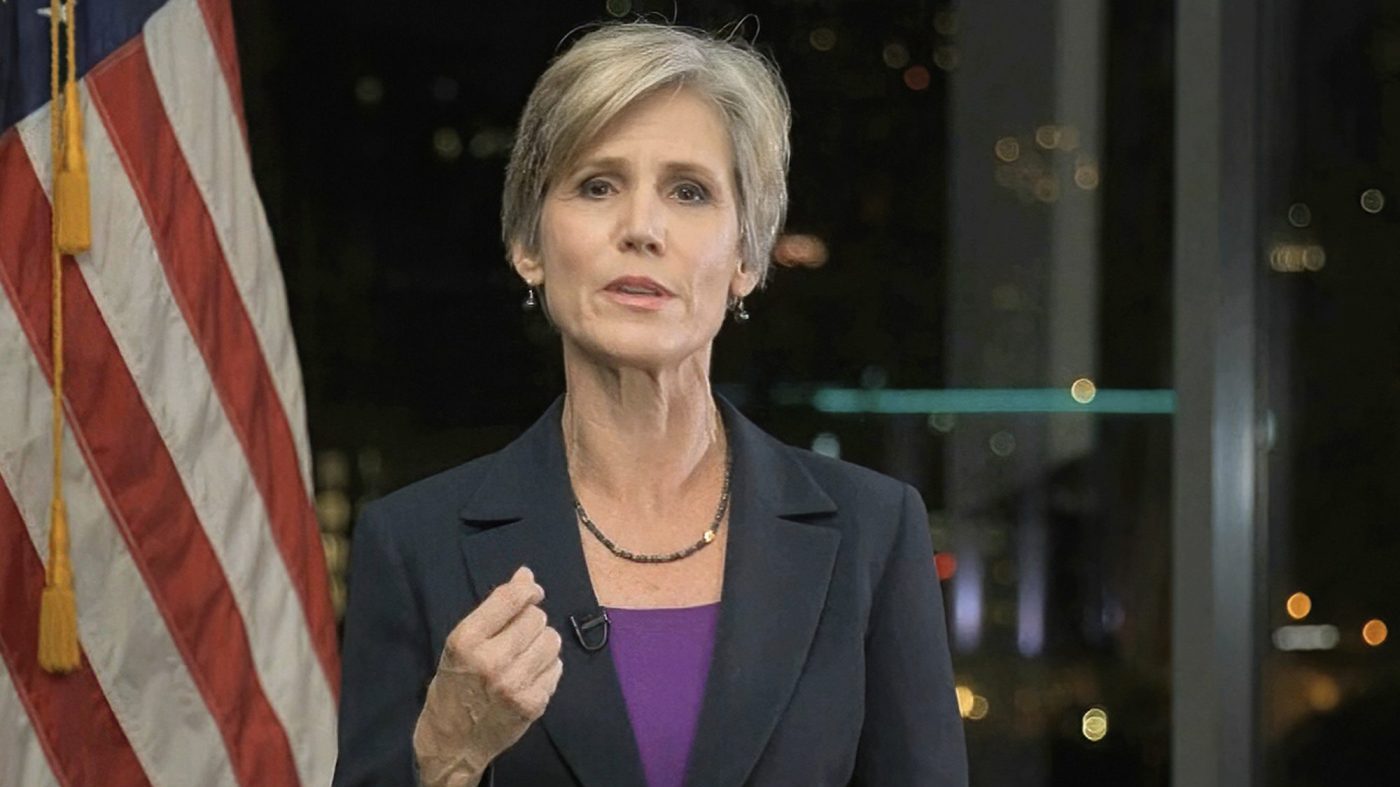
But the 2024 election showed signs of a shift. Pew reported that in four states that backed Trump for president, voters also elected Democratic senators — twice as many such mismatches as in all Senate elections from 2020 through 2022 combined. That uptick, while modest, hints that the gravitational pull of party loyalty may be weakening, particularly among voters who are turned off by Trump's conduct and the GOP's agenda.
In the upcoming midterms, Trump will not be on the ballot, but his influence looms large. Polls suggest that split-ticket voting could expand significantly, potentially handing Democrats statewide victories in deeply red territory. In Texas, Democratic Senate candidate James Talarico has led Republican Ken Paxton in recent surveys by 2 to 5 points, while Republican Governor Greg Abbott holds a similar edge over Democrat Gina Hinojosa. That combination — a Democratic senator and a Republican governor — would be a stunning reversal for a state that hasn't elected a Democratic senator in decades.
Iowa tells a similar story. Democrat Rob Sand, the state auditor, has consistently polled ahead of Republican Zach Lahn in the governor's race, while the open Senate seat between Republican Ashley Hinson and Democrat Josh Turek remains tight. If Iowa were to send a Democrat to the governor's mansion and a Republican to the Senate, it would mark a dramatic break from the state's recent red trend.
Maine offers another test case. Former House Speaker Hannah Pingree, the Democratic gubernatorial nominee, has held a commanding lead over Republican Bobby Charles. Meanwhile, Republican Senator Susan Collins — who in 2020 was the only Senate candidate in the nation to win in a state that voted for the other party's presidential nominee — is locked in a close race with Democrat Troy Jackson. A Collins victory alongside a Democratic governor would be a textbook example of ticket-splitting.
Other states where a senator/governor split could emerge include Alaska, Ohio, Georgia, New Hampshire, and Kansas. For Republicans, the danger is that most of these potential splits favor Democrats in red states, meaning the GOP could lose Senate or governor seats they would normally expect to hold. Both the Cook Political Report and the University of Virginia's Center for Politics have recently shifted multiple ratings in favor of Democrats, a sign that the political environment is deteriorating for the GOP.
The decline of split-ticket voting in the 1990s and 2000s coincided with the ideological sorting of the parties. Today, voters are generally loath to cross party lines. But Trump's polarizing rhetoric, his administration's handling of the economy and inflation, and the ongoing conflict with Iran are pushing independents — and even some traditional Republicans — to reconsider. Notably, longtime GOP strategist Karl Rove has said he will vote for a Democrat for Texas railroad commissioner because of controversial comments by the Republican candidate, a symbolic crack in the party's unity.
If split-ticket voting makes a robust return, or if Democrats ride a broader wave, Republicans will have only themselves to blame. By latching onto Trump, they have abandoned core conservative principles on fiscal discipline, limited government, and Congress's constitutional authority over war and tariffs. In the 1980s, ticket-splitters were choosing between two viable parties. In 2026, the choice may be less about supporting Democrats than about rejecting the current GOP.