South Dakota voters have approved a constitutional amendment that explicitly bars noncitizens from voting in the state's elections, according to projections from Decision Desk HQ. The measure, known as Amendment J, was passing with nearly 62% support as of late Tuesday, with about 84% of precincts reporting.
The amendment adds language to the South Dakota Constitution stating that "an individual who is not a citizen of the United States is disqualified from voting in any election or upon any question submitted to the voters of this state." It also clarifies that voters may be disqualified by law for mental incompetence or felony convictions, provisions already present in the state's founding document.
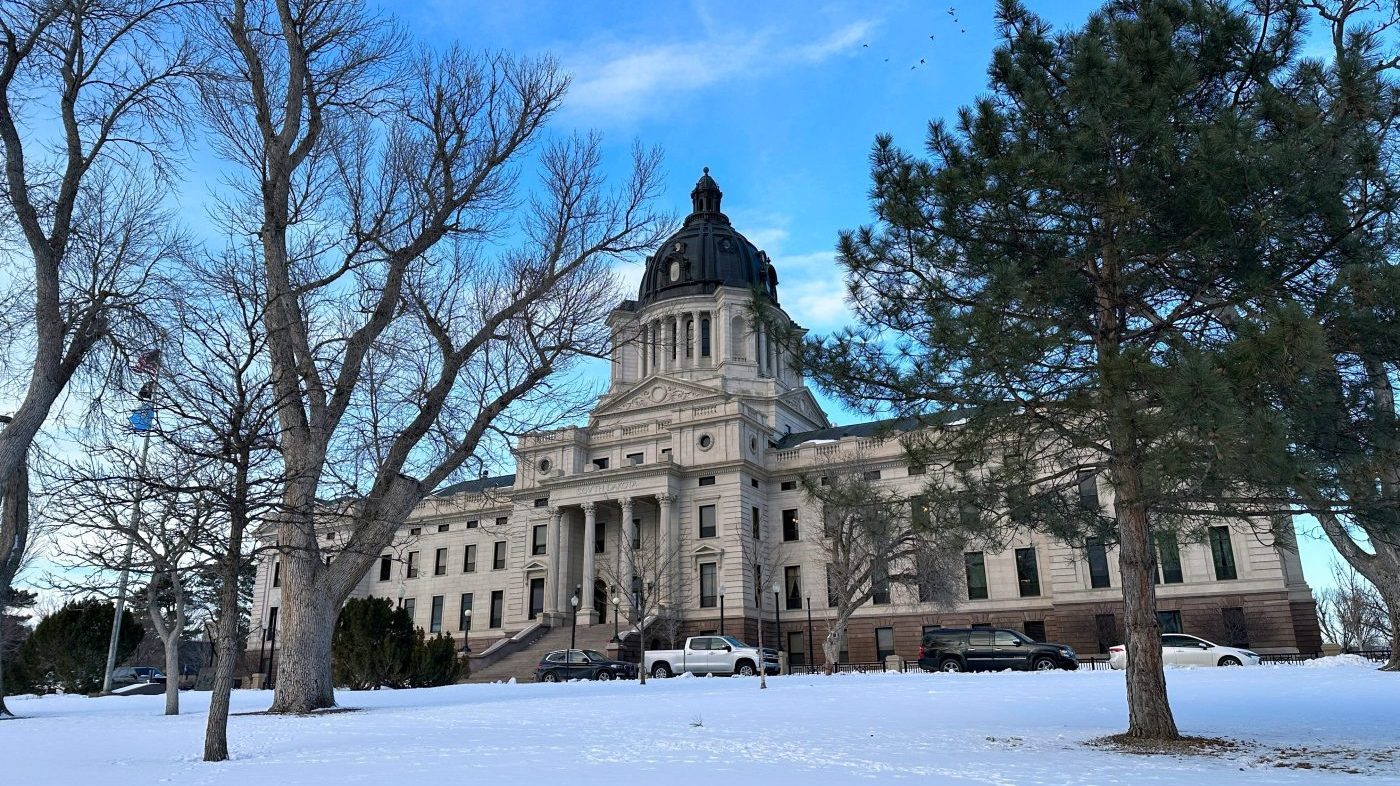
South Dakota's constitution already restricts voting to U.S. citizens, reading: "Every United States citizen eighteen years of age or older who has met all residency and registration requirements shall be entitled to vote in all elections and upon all questions submitted to the voters of the state unless disqualified by law for mental incompetence or the conviction of a felony." Amendment J was designed to reinforce that requirement, making it even more explicit.
The measure's passage reflects a broader Republican push on election integrity issues, particularly as former President Donald Trump has continued to make unsubstantiated claims of widespread voter fraud. Trump has urged GOP lawmakers to pass legislation requiring proof of citizenship for voter registration and photo ID at the polls, though such efforts have stalled at the federal level.
Tuesday's ballot saw similar measures in other states. According to Ballotpedia, more than a dozen states had election-related ballot measures, including six states asking voters about citizenship requirements and six about voter ID laws. In North Carolina, voters enshrined a photo ID requirement for all ballots, while Arkansas voters approved a citizenship proof mandate for state elections.
The South Dakota vote comes amid a heated Senate race in the state, where Republican incumbent Mike Rounds secured another term, defeating independent challenger. The state's sole House seat also remained in GOP hands, with Dusty Johnson winning reelection.
Supporters of Amendment J argued it was a necessary safeguard to ensure election integrity and prevent any potential noncitizen voting, even though such voting is already illegal. Opponents, however, contended the measure was redundant and could create confusion or lead to unnecessary litigation.
With the amendment's approval, South Dakota joins a growing number of states that have taken steps to explicitly codify citizenship voting requirements in their constitutions, a trend that is likely to continue as the national debate over election laws intensifies.