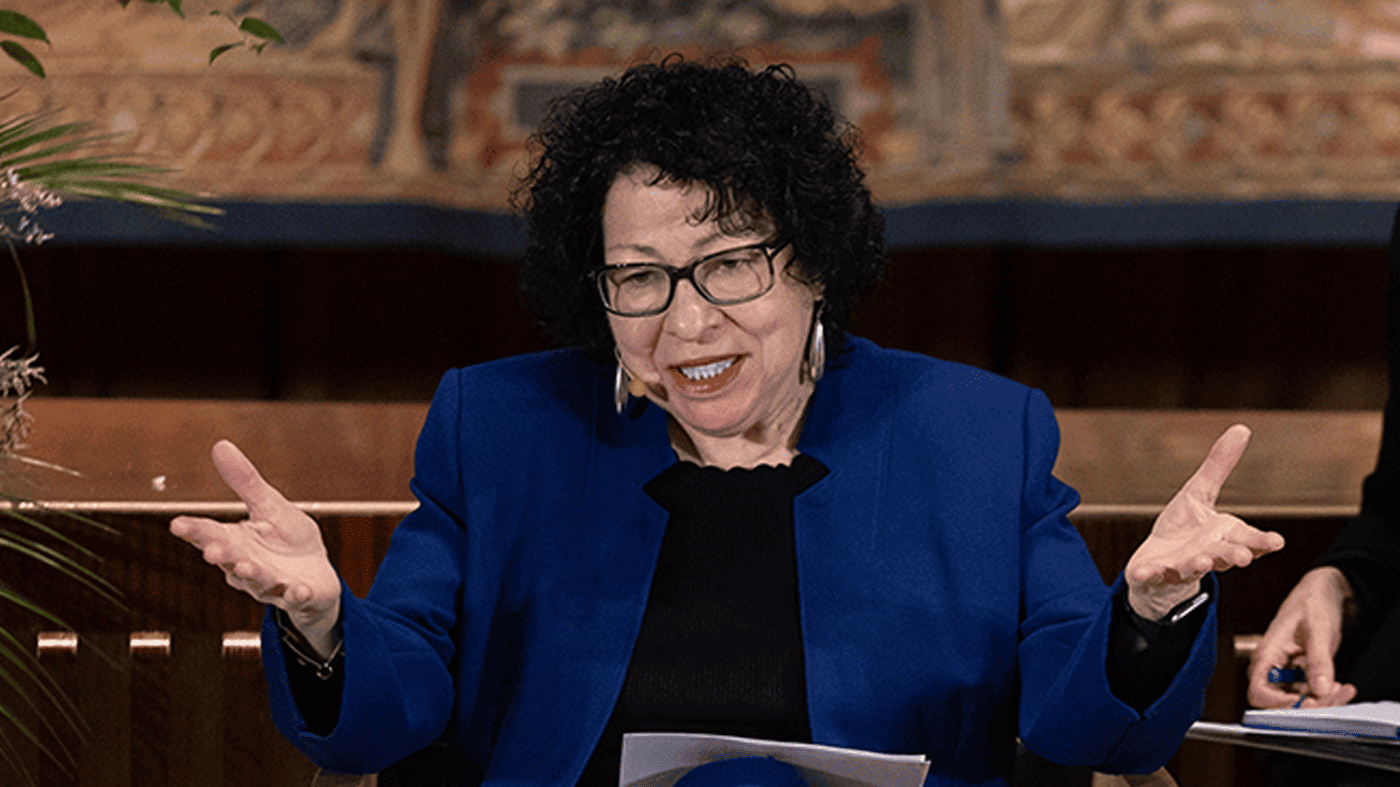
Supreme Court Justice Sonia Sotomayor said Friday that her conservative colleagues may interpret the Democrats' sweeping midterm victories as evidence that their recent presidential immunity ruling has not stripped away all checks on executive power. Speaking at an American Philosophical Society event in Philadelphia, the liberal justice responded “absolutely” when asked whether the Court's majority was relying on elections as an institutional safeguard when it granted former President Trump and other presidents broad criminal immunity.
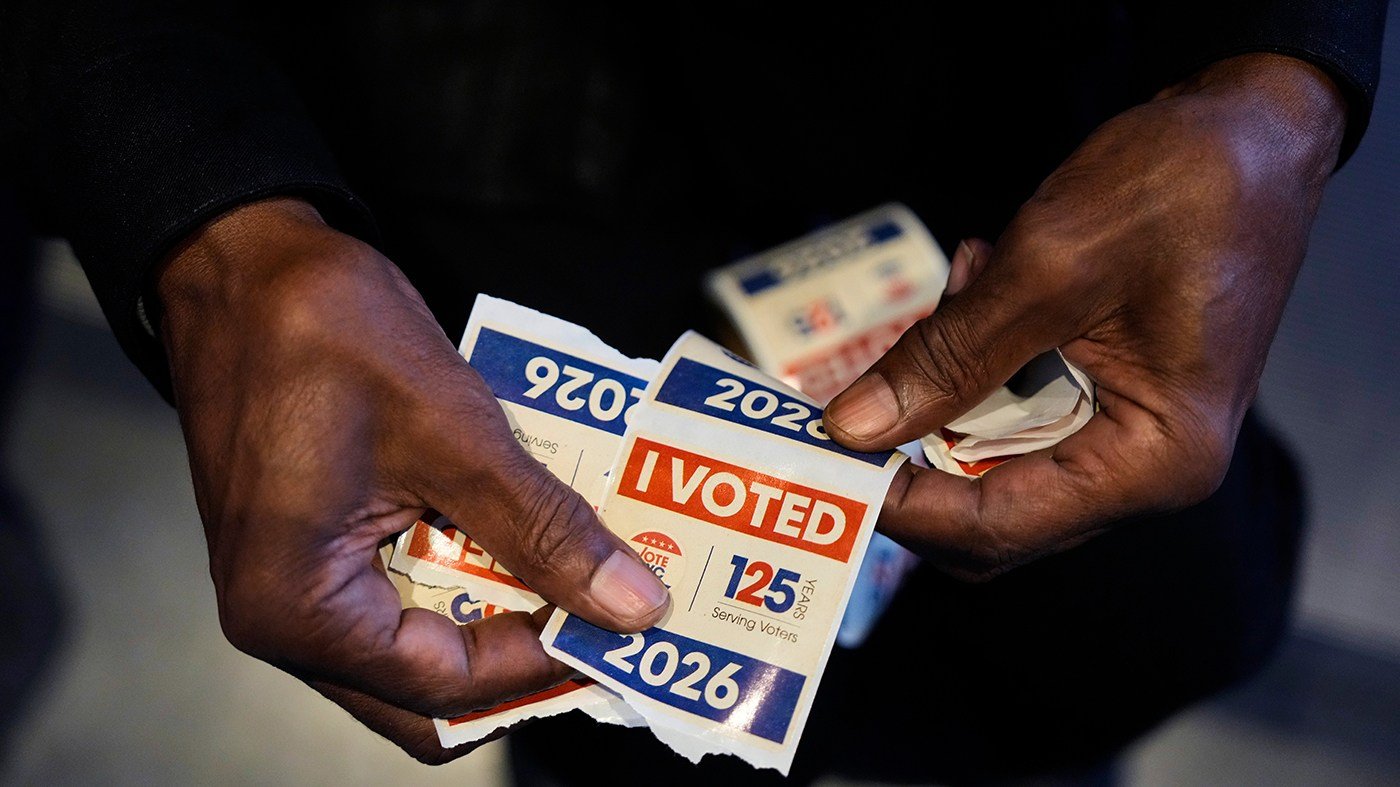
“My colleagues today would probably applaud the last election, because they believe that if the people don’t like what’s happening, they can speak with their vote. And they did speak,” Sotomayor said. She added, however, that she couldn’t say whether they liked the message, but that they genuinely believed “those things are what protect us against excesses in executive power.”
The 6-3 conservative majority's July decision held that presidents are presumptively immune from criminal prosecution for official acts. Sotomayor dissented sharply at the time, and she has continued to criticize the ruling publicly, recently expressing hope it will eventually be overturned. On Friday, she reiterated her view that the remaining institutional checks are insufficient.
“I think what they missed was the concept that there was no man in this country — and I use the male version, because that’s the saying — that no man was above the law here,” she said of her colleagues. “I think [that] was always something that was an important part of the calculus in which executives made their decision.”
Sotomayor's comments come as Republicans grapple with the political fallout from the midterms, with some GOP figures already looking ahead to 2028. The election results have also fueled internal party debates, including a challenge to Senate Democratic leadership and questions about the party's appeal to younger voters and Latino communities.
During the 45-minute discussion, Sotomayor also addressed the possibility of Supreme Court term limits, a topic that has gained traction among reform advocates. When asked by an audience member, she did not dismiss the idea, noting that other countries have avoided judicial lifetime appointments.
“They either have age limits or they have term limits,” Sotomayor said. “So, they have not needed it to keep politics out of influencing their judges in the way our founders worried. So, that’s something that should give you pause.”
She stressed that any change would be up to elected officials, not the Court itself. The justice's remarks reflect a broader debate over the judiciary's role and accountability, with some Democrats pushing for reforms such as term limits and an enforceable ethics code.
Sotomayor's critique of the immunity decision underscores the deep ideological divide on the Court and the ongoing tension between judicial power and democratic accountability. Her suggestion that her colleagues view elections as a sufficient check has drawn attention, particularly as the fallout from the midterms continues to reshape Washington.