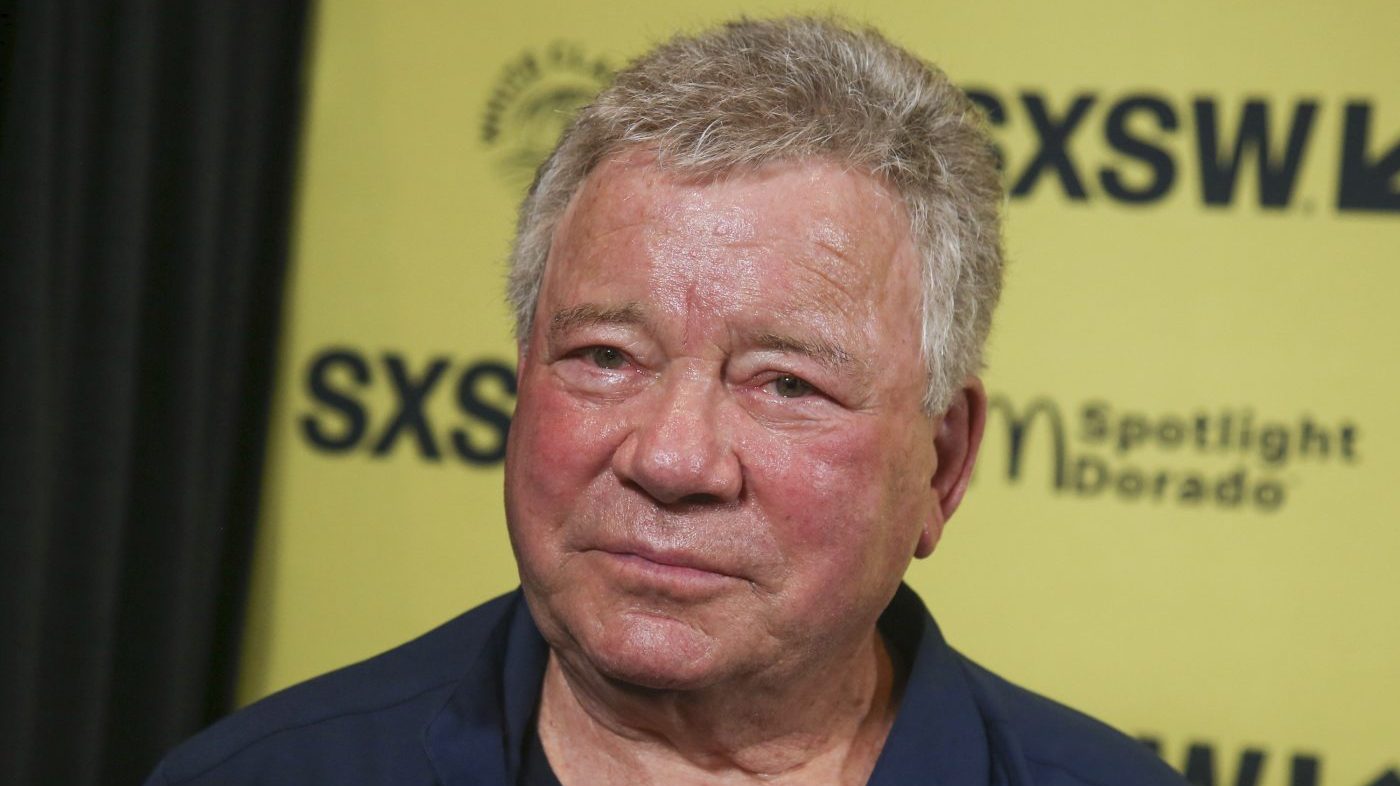
William Shatner, the iconic actor who originated the role of Captain James T. Kirk, has publicly lamented the cancellation of the latest Star Trek television series while delivering a pointed rebuke to viewers who derided the show as overly "woke." The series, "Star Trek: Starfleet Academy," will conclude after its second season, a decision confirmed by CBS Studios and Paramount+ in a statement that commended the cast and crew for advancing the franchise's legacy.
A Legacy of Provocative Storytelling
In a detailed message posted to his social media account, Shatner articulated a dual vision for the Star Trek universe. He described it as existing both in the realm of science fiction fantasy and in the aspirational pursuit of human perfection through exploration—physical, mental, and moral. "I for one would love to see its continuity," Shatner wrote. "It's with sorrow that I hear about the cancellation of the new Star Trek series." The show, while receiving critical praise, faced significant online backlash from some quarters of the fanbase following its premiere earlier this year, with detractors accusing it of prioritizing progressive social themes.

Drawing a Direct Historical Parallel
Shatner's most potent counter-argument reached back to Star Trek's own history. He explicitly referenced the landmark 1968 episode featuring television's first scripted interracial kiss between his character, Captain Kirk, and Lieutenant Uhura, played by the late Nichelle Nichols. "During the first airing of my Star Trek series where a kiss was objectionable; many southern stations pulled the episode & condemned the show," Shatner stated.
He then applied contemporary political rhetoric to that historic moment. "Using today's vernacular it would absolutely be called 'woke DEI crap' because it went against 'norms' of society for its time," he argued. His conclusion was succinct: "Not a lot seems to have changed." This framing positions current cultural debates over inclusion in media as a continuation of past battles over civil rights and social progress, a dynamic also seen in ongoing legal and political clashes over diversity initiatives in education.
The cancellation of "Starfleet Academy" arrives amid a broader industry trend of streaming services reevaluating content portfolios for cost efficiency. Paramount+'s statement emphasized the show's alignment with creator Gene Roddenberry's vision, suggesting the decision was driven by metrics beyond creative merit. Shatner's intervention elevates the story from mere entertainment news to a commentary on the enduring culture wars that influence media production and reception.
The 'Woke' Critique in Modern Political Context
The term "woke," once a colloquialism for social awareness, has evolved into a potent political pejorative, frequently deployed to criticize initiatives perceived as excessively focused on identity politics. Shatner's rebuttal implicitly challenges this usage by reclaiming Star Trek's progressive legacy as core to its identity, not a modern imposition. This debate mirrors wider political conflicts where traditional institutions face pressure to evolve, not unlike the pushback from consumer groups against powerful international organizations like FIFA over issues of access and equity.
Shatner's stance also highlights a generational divide in cultural consumption. At 95, his defense of the new series leverages his unparalleled authority as a franchise patriarch to validate its contemporary direction. His argument suggests that what some dismiss as "woke" is, in the Star Trek context, merely a contemporary expression of the humanistic idealism that has always defined the series. This tension between preservation and progression is a recurring theme in political discourse, evident in everything from policy debates over financial market regulations to international standoffs.
Ultimately, Shatner's comments underscore how flagship entertainment properties like Star Trek remain battlegrounds for defining societal values. The backlash and subsequent defense of "Starfleet Academy" reflect deeper political currents where narratives of inclusion and tradition are in constant competition. As one of the franchise's most recognizable voices weighs in, the conversation shifts from viewer metrics to a debate about the soul of a story that has, for decades, promised a more inclusive future.