State Campaigns Shape National Prospects
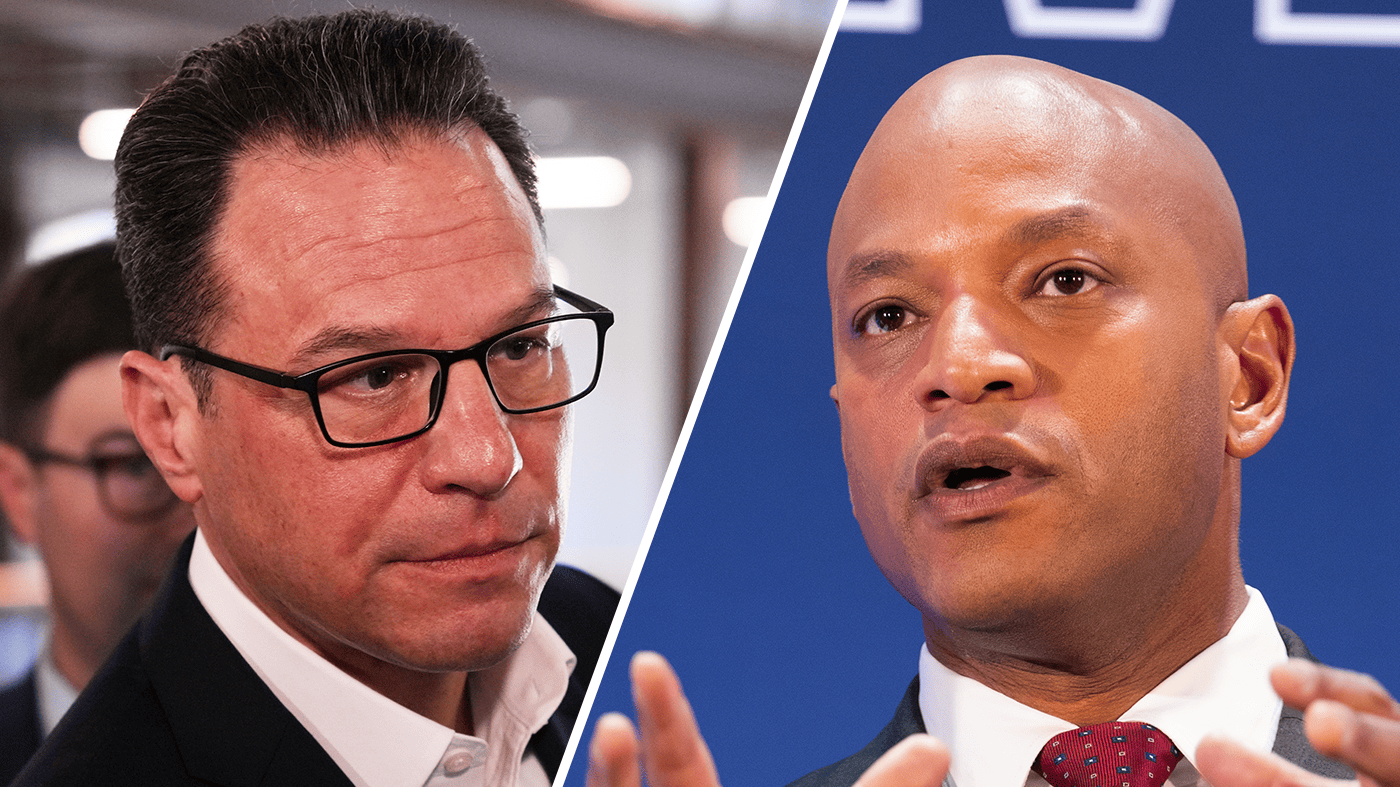
For Democratic governors viewed as potential 2028 presidential contenders, the path to the White House runs directly through their home states. Governors Josh Shapiro of Pennsylvania and Wes Moore of Maryland face critical reelection battles in 2026 that will test their political strength and determine whether they can realistically pursue national office.
This dynamic creates a significant constraint for both executives. While other potential candidates like former Vice President Kamala Harris and former Transportation Secretary Pete Buttigieg can freely build national profiles, Shapiro and Moore must demonstrate sustained focus on state governance. Term-limited California Governor Gavin Newsom has already been expanding his national platform through media appearances and fundraising, while Kentucky Governor Andy Beshear has begun engaging directly on 2028 issues.
The Home State Imperative
"A strong showing at home in 2026 is the prerequisite for relevance in 2028," said Democratic strategist Anthony Coley. "Moore and Shapiro can have all the national ambitions they want, but if home state voters feel like an afterthought, they'll show you who's actually in charge."
For Shapiro, this means navigating Pennsylvania's competitive political landscape where both Republicans and factions within his own party are testing his record. Senator John Fetterman, a fellow Democrat, has at times criticized Shapiro, suggesting the governor is driven by "political ambition." This intraparty dynamic complicates Shapiro's ability to campaign outside Pennsylvania, as noted by strategist Hyma Moore (no relation to the Maryland governor): "You're going to have a difficult time campaigning for folks outside the state. You just don't have the time, and you don't want your Republican opposition to say you care more about Arizona than you do Pennsylvania."
In Maryland, Governor Moore confronts different challenges. Despite leading a deep-blue state, he has faced budget tensions and a contentious redistricting fight that has tested his political capital. "He's got to put up a higher win percentage," Hyma Moore noted, "because he's got to resolidify a lot of his Democratic base and political power."
Strategic Advantages and Early Tests
Some Democratic strategists argue that focusing on state governance offers distinct advantages. "Focusing locally keeps them from raising their profile in early states but it can create opportunities to promote policies at home they can later talk about scaling nationally," said Basil Smikle, former executive director of the New York State Democratic Party.
The intensity of state campaigns also serves as valuable preparation for presidential politics. "It's helpful because the candidates will be in great shape," said strategist Jamal Simmons. "It's like a basketball team coming off the bench cold versus one that played a game last night."
Eddie Vale, another Democratic strategist, emphasized how these campaigns foreshadow national viability: "If handled correctly, it can and should be a springboard that shows how your campaign skills, organization and policies can win in a competitive state. If it devolves into infighting, underperformance, or inability to effectively respond to attacks, it is an early warning that you may not be ready for the prime-time lights."
Both governors currently hold robust leads in polls and maintain strong campaign finances, making them favored for reelection. However, their every decision during these state campaigns will face scrutiny that could resurface in a national contest. This reality creates a delicate balance between demonstrating effective governance and avoiding the appearance of using their offices as mere stepping stones. As the Democratic field for 2028 begins to take shape, the performances of Shapiro and Moore in 2026 will provide crucial indicators about which candidates have the discipline and political skill to compete at the highest level, particularly as Republicans like Ron DeSantis position themselves for the next cycle and intraparty debates continue over issues like Senate procedural rules.