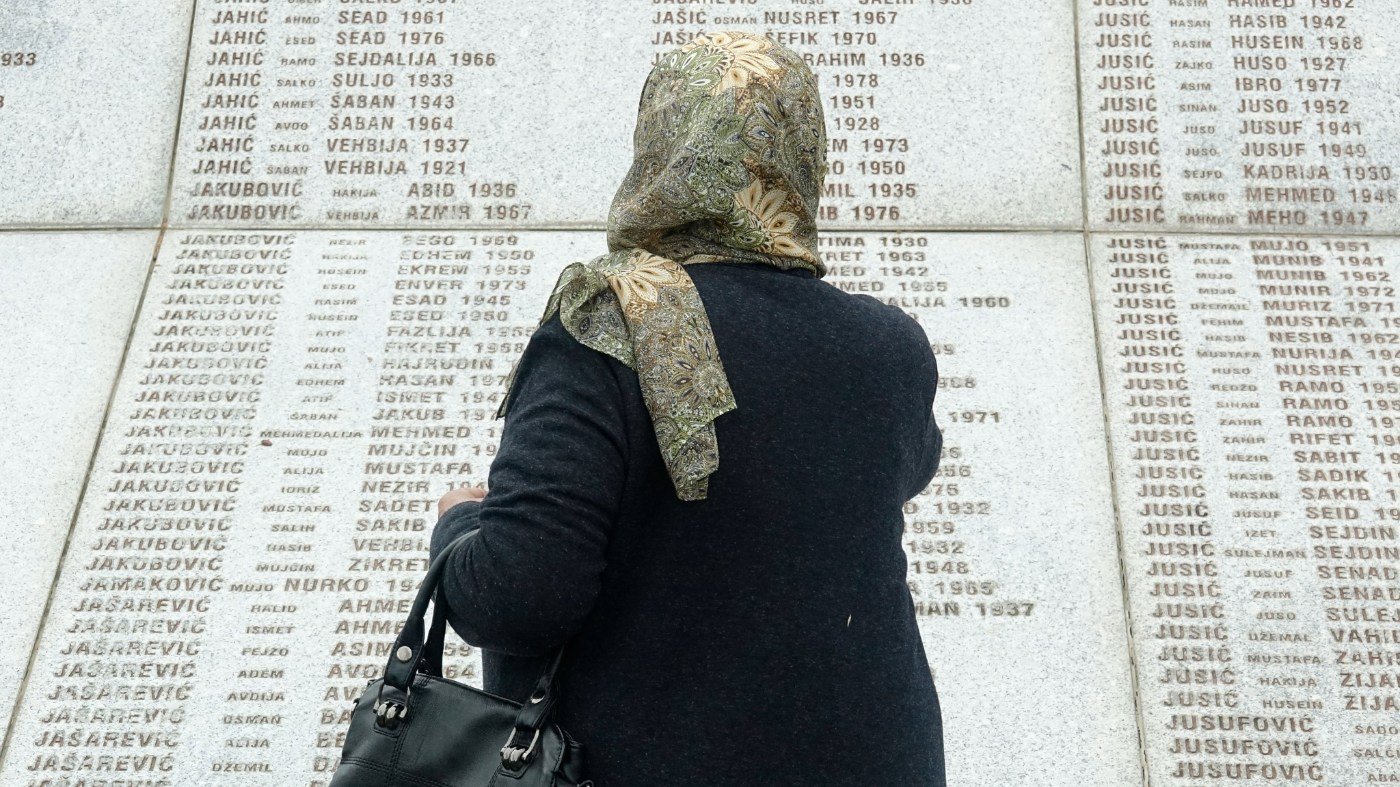
The death of General Ratko Mladic, convicted of genocide and crimes against humanity, has reignited a bitter dispute over historical memory in the Balkans. Serbian authorities have announced that Mladic will receive a state funeral with full military honors, a decision that flies in the face of overwhelming evidence of his role in Europe's worst atrocity since the Holocaust.
Mladic, known infamously as the "butcher of Bosnia," commanded Bosnian Serb forces during the 1992-1995 war. His troops were responsible for the massacre of up to 8,000 Muslim men and boys in Srebrenica in July 1995, an act that international courts have ruled constituted genocide. Along with political leaders Radovan Karadzic and Slobodan Milosevic, Mladic orchestrated a campaign of ethnic cleansing that drove thousands of Muslims and Croats from their homes through murder, rape, and terror. The International Criminal Tribunal for the former Yugoslavia estimated the conflict's death toll at nearly 90,000, with Bosnian Muslims accounting for the majority of civilian casualties.
Despite these findings, denial of the genocide remains entrenched in official Serbian and Bosnian Serb discourse. Milorad Dodik, who served as president of the Bosnian Serb Republic until 2025, has branded the genocide a "fabricated myth" and commissioned a report to propagate that falsehood. Serbian President Aleksandar Vucic has consistently downplayed the crimes, arguing that all sides committed atrocities and therefore no one bears sole responsibility—a line that echoes the Turkish government's refusal to acknowledge the Armenian genocide.
The persistence of denial has practical consequences. As political leaders elsewhere have learned, nationalist narratives often blur the line between fact and fiction to build patriotic myths. In the Balkans, victimhood is central to Serbian identity, with a historical narrative that emphasizes wrongs suffered but ignores those inflicted on others. This selective memory, historians warn, increases the risk that such horrors could recur.
The United Nations General Assembly has designated July 11 as the International Day of Reflection and Commemoration of the 1995 Genocide in Srebrenica, and its resolution explicitly condemns denial and the glorification of perpetrators. Burying Mladic with military honors directly contravenes that resolution and dishonors the victims.
As one Serbian journalist noted, the funeral traps the Serbian people in the past, preventing the reconciliation necessary for regional stability. The international community, which has repeatedly urged Serbia to confront its history, now watches to see whether Belgrade will honor its commitments to justice or continue down a path of revisionism.