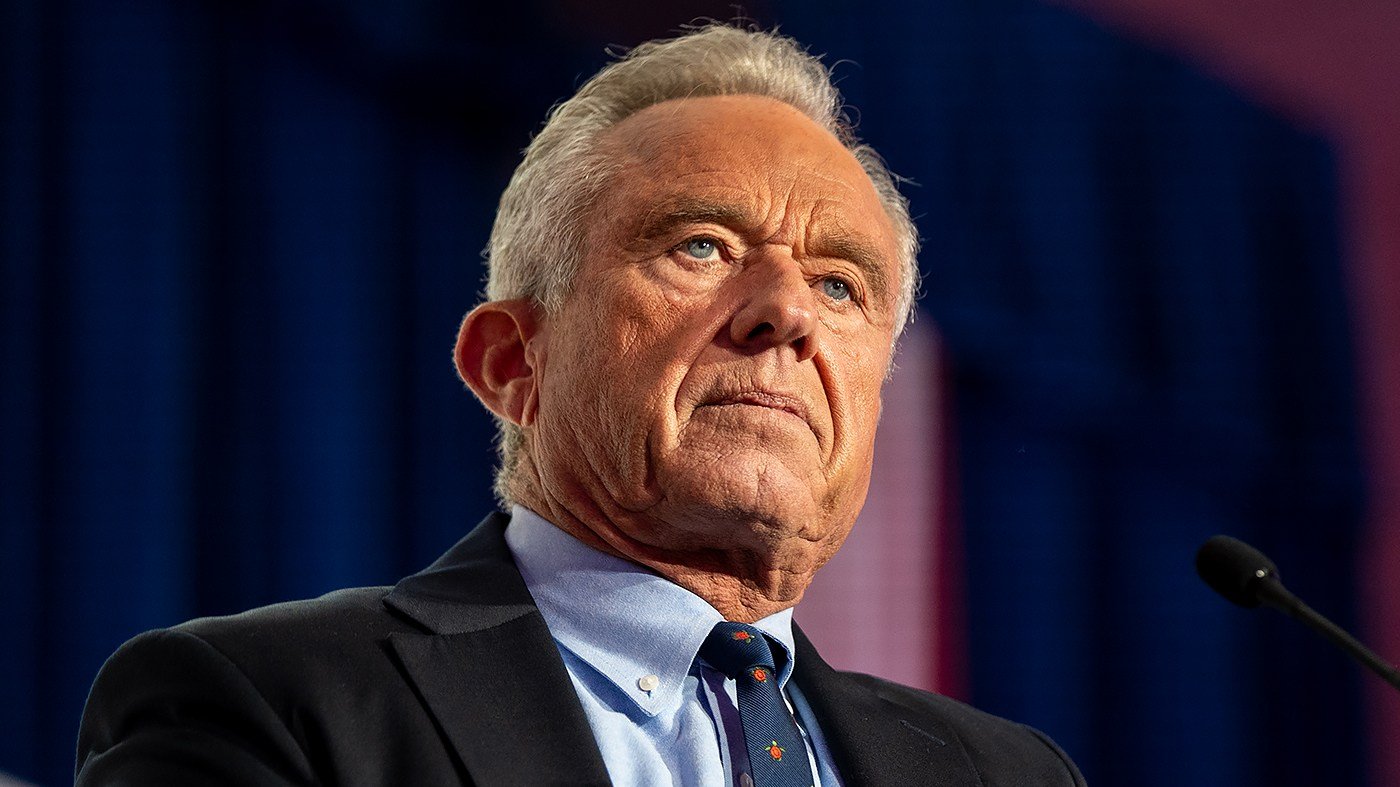
A coalition of Senate Democrats is casting doubt on whether Health and Human Services Secretary Robert F. Kennedy Jr. followed through on his pledge to sever financial ties to a lawsuit challenging the HPV vaccine Gardasil. The lawmakers, led by Sen. Elizabeth Warren (D-Mass.), have formally requested documentation proving Kennedy's divestment, citing a lack of public records showing any change to his financial holdings.
Before his confirmation, Kennedy was a named plaintiff in litigation spearheaded by the law firm Wisner Baum against Merck, alleging that Gardasil caused neurological and autoimmune injuries in patients. During his confirmation hearings, Kennedy assured senators he would divest his interest in the case, though he initially suggested he might retain a portion of any legal fees, arguing he was “entitled” to compensation and was not actively serving as counsel.
In a letter to Warren at the time, Kennedy wrote: “An amendment to my Ethics Agreement is in process. It provides that I will divest my interest in any such litigation via an assignment to my non-dependent, adult son.” That promise is now under scrutiny.
Warren, along with Sens. Ron Wyden (D-Ore.), Richard Blumenthal (D-Conn.), and Angela Alsobrooks (D-Md.), sent a letter to Kennedy expressing their concerns. “My staff has conducted a diligent review of all of your public financial disclosures and ethics documents and have identified no amendments or modifications to any of these materials,” Warren wrote. “Nor has the Senate Finance Committee identified any information indicating you have changed the disposition of your Gardasil stake.”
The senators are demanding to know whether Kennedy transferred his stake to his adult son as promised, or whether he instead assigned it to Wisner Baum. They also requested details on any fees he might receive from the settlement. Merck agreed earlier this year to pay $50 million to resolve the litigation without admitting wrongdoing, maintaining that Gardasil is safe and effective. The vaccine, first approved in 2006 for females and later expanded to males in 2009, has been a subject of ongoing public debate.
The inquiry comes amid broader political tensions over vaccine policy and public health messaging. Kennedy, a prominent vaccine skeptic, has faced criticism from Democrats and public health advocates. The Kennedy's midterm tour has focused on nutrition, but his stance on vaccines remains a flashpoint.
Warren and her colleagues have asked HHS and Wisner Baum for clarification, but no response has been made public yet. The Hill has reached out to both entities for comment.
This development adds to the scrutiny over Kennedy's financial entanglements and his role in shaping federal health policy. As House Democrats press the administration on other matters, this issue highlights the ongoing oversight efforts by congressional Democrats.
The senators' letter underscores the importance of ethical compliance for cabinet officials, particularly those with previous litigation ties. Whether Kennedy can provide the requested documentation remains to be seen, but the pressure is mounting.